2 juillet 2021
Feeding the Future 2021: 8 innovative projects


To rethink the food paradigm, we support emerging sustainable practices and ambitious projects that drive technological, social and organizational innovations, from seed to compost. With the Feeding the Future 2021 call for projects, which combines subsidies and investment, 8 new winners are accelerating the transition to sustainable food throughout France with new ways of producing, distributing or consuming.
A hybrid call for projects to support the entire ecosystem
Our diet is at the crossroads of multiple nutritional, socio-economic and ecological (dis)balances. Certain forms of our agriculture and food continue to disrupt the climate and marginalize some farmers and citizens, while economic power is concentrated and inequalities widen. With these observations in mind, many civil society actors, companies, institutions, but also eaters and citizens, are changing their habits to change the system.
However, this general awareness should not be limited to a simple correction of practices or a marginal modification of operations. It must be a real questioning of the entire system, through new disruptive practices, new ways of operating and innovative ways of thinking. This evolution must involve responsible business initiatives and the commitment of associations.
In the light of these analyses, 3 years ago, we created Feeding the Future, a call for projects whose aim is to encourage innovations to accelerate the transition to Sustainable Food. For the first time this year, we invited companies to apply in order to be able to support all those who contribute to the agroecological and food transition, and thus make the link between the associative sector and the business world. In this way, we provide tailor-made support to innovative structures, both through the subsidy and investment levers, in order to optimize the effectiveness of our commitment, in the service of redesigning our food systems to allow universal access to healthy food, respectful of people and ecosystems.
«
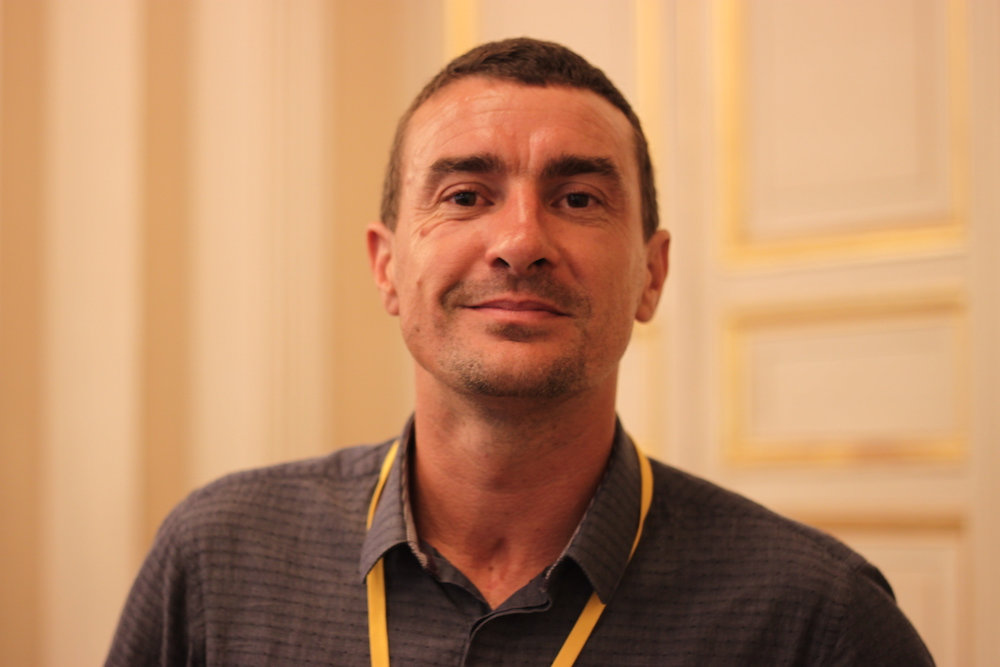
We are committed to not limiting innovation to technological progress: we also pre-empt it on its social and organizational counterpart in order to be able to optimize the responses to be provided by the producer to the consumer.
»Guilhem Soutou, Head of the Sustainable Food Axis
The 2021 winning projects
BIOTOPIE aims to raise awareness among the general public, in the form of a temporary exhibition of the richness of soils through an artistic audio-visual approach, staged by showing and hearing the noises and images of “living soils”. The marriage between two approaches, one calling on ecology and the other on digital technology, makes it possible to offer, by showing soil ecosystems, an awareness shared by all, institutions and citizens and thus become a medium for information and awareness highlighting the interests of the preservation of natural spaces, biodiversity and sustainable agriculture.
Agriculture involves environmental and social costs and benefits that must be shared with other stakeholders in the territories. As the head of the network of Cooperatives for the Use of Agricultural Equipment, the FNCuma is testing CARE ecological accounting in several agricultural collectives in the Rennes area, which integrates these ecological costs to support territorial dialogue.
Institute of Organic Agriculture and Food (ITAB)
Current seed treatments destroy the microbiota of plants and weaken seeds by sanitizing them. An applied research organization that aims to produce and share knowledge to improve organic production and processing, ITAB is testing alternative seed treatments that preserve these microbiota.
Current food aid schemes are showing their limits. The Agriculture and Food Sovereignty thematic group of Engineers Without Borders, ISF-Agrista, has developed an approach based on Social Security for food. They support several territories that wish to test this public policy system.
In Nantes, the Kiosque Paysan is experimenting with a low-carbon, mutualistic logistics solution, co-managed by the various players (producers, processors, transporters, retailers, etc.), to ensure the collection of organic products from farms, their storage and their local distribution.
The Covid crisis has reaffirmed the importance of food resilience. Les Greniers d’Abondance is developing the “Food Resilience Calculator for Territories”, a web application for diagnosing the food system allowing elected officials, civil society and any actor to grasp the challenges and food opportunities of their territory.
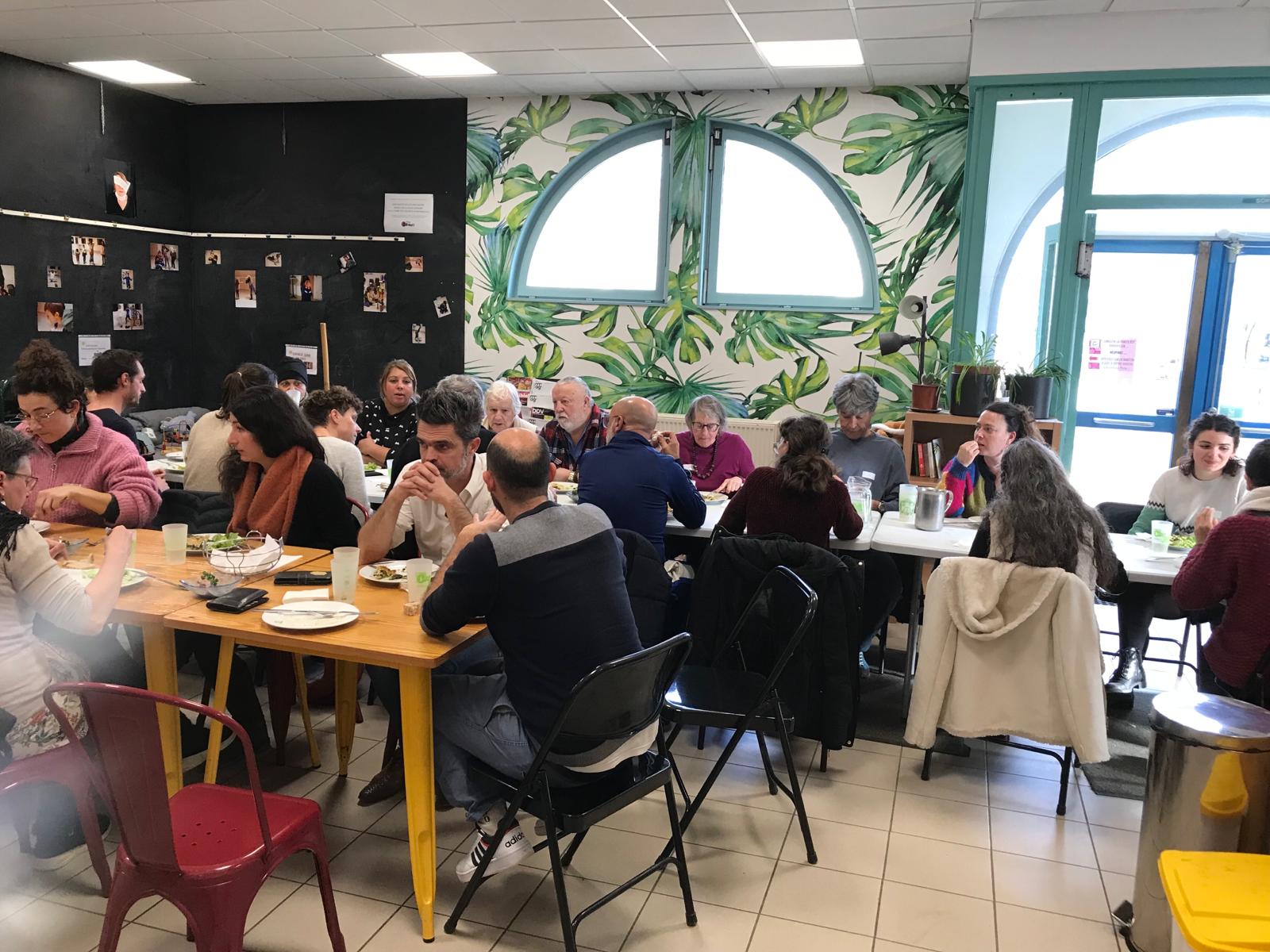
In this network of neighborhood canteens, guests welcome each other and meet each other through sustainable, participative and free-price meals, to build quality relationships and contribute to the construction of a society based on trust.
Vegetable and canning factories are essential players in the relocation of food circuits. In the Eure, Les petites l’Ouches is developing an experimental establishment in integration aimed at zero waste.

«
Based on a twofold observation – the need to enforce the right to sustainable food for all and the need to build a macroeconomic model to achieve this – we decided to build a social security project for food in 2017. Participation in the Feeding the Future call for projects, which gives pride of place to emerging issues, seemed particularly relevant to us and in line with our ambitious objective of structural change.
»Mathieu Dalmais, treasurer of the Agriculture and Food Sovereignty thematic group of Engineers Without Borders
Innovation through collaboration and at the service of all
Since the launch of the Feed the Future call for projects, we have supported 35 initiatives to bring out truly innovative solutions and contribute to the creation of a new food system.
This year, we also supported FAMAE’s Sustainable Innovations Challenge as a member of the jury, to support concrete solutions that promote the transition and, more broadly, fight against climate change.
With the TETRAA programme “Territories in Agroecological and Food Transition”, launched in February 2021, we are exploring new networks based on cooperation between local actors and the sharing of know-how. Established in 9 territories in partnership with AgroParisTech, TETRAA accelerates and sustains local initiatives and consolidates transition engineering.
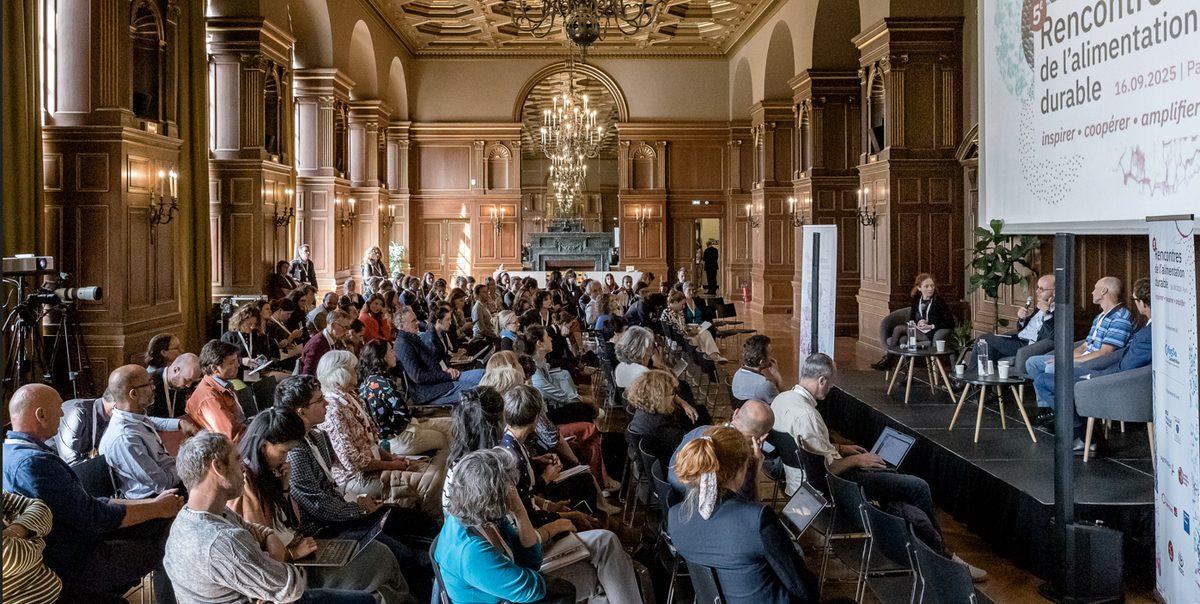
With the Sustainable Food Meetings, we create places for exchange and moments of encounter to germinate new associations and new ideas. She defends the idea that sharing expertise and collaboration represent effective levers towards the transition.
Innovation in the service of the transition must also be an issue of social justice, it will only be achieved by being within everyone’s reach. This is why we are participating in the emergence of new models of mutual aid, to ensure the inclusion of the most precarious. Last year, as part of our collaboration with FAMAE, we had already supported the Petites cantines. This innovative concept, which combines the issues of inclusion, ecological transition and new consumption patterns, is a perfect example of the solutions supported by our Foundation to build a more sustainable world for all and resilient in the face of crises.

News release
2 juil. 2021 · PDF 748 KB