Socially engaged art
29 juin 2026
Media Literacy: An Educational, Cultural, and Civic Issue


Every summer, film and photography festivals—from Biarritz to the Rencontres d’Arles—create spaces for discovery where new ways of looking at the world are invented. But their work doesn’t stop there: throughout the year, they engage with schools and social and cultural organizations to teach diverse audiences how to interpret images—one of the cornerstones of developing critical thinking. Bolstered by recent public policies, this rapidly evolving field brings together local stakeholders and cultural networks, with the support of the Daniel and Nina Carasso Foundation, which is committed to helping everyone better understand and engage with images.
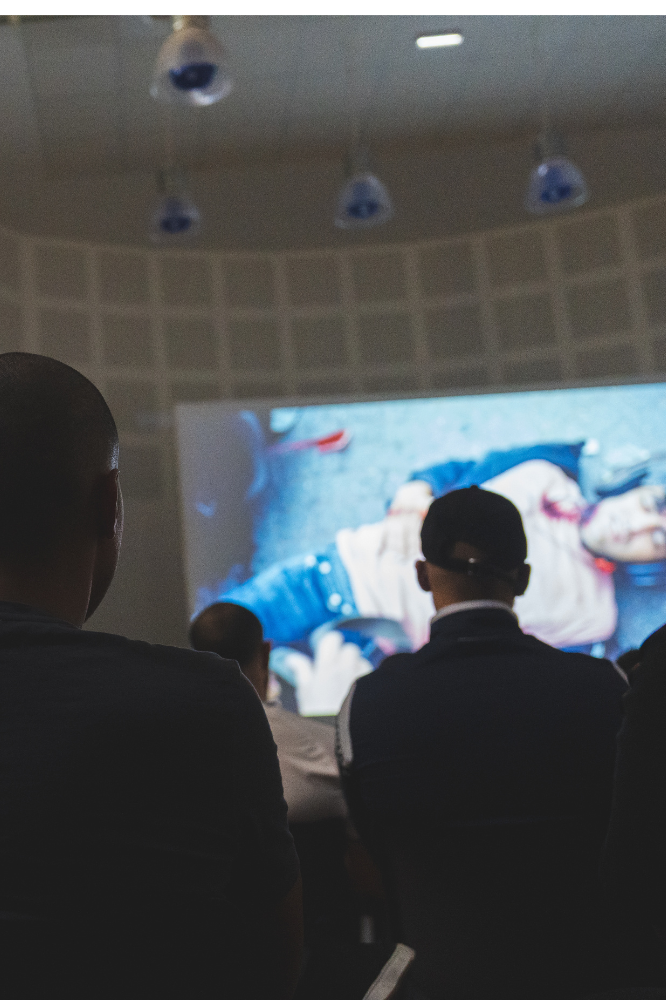
At Villa Fal Middle School in Biarritz, as the school year draws to a close, the 7th-grade students are wrapping up a long-term project based on a documentary they watched several months earlier. In September 2025, they attended a screening of*Una canción para mi tierra* by Argentine director Mauricio Albornoz Iniesta at the Biarritz Latin America Film Festival. The experience then continued in the classroom through three sessions and workshops organized throughout the year with their Spanish teacher, Michèle Elichondo.
For this teacher, working with films and analyzing them helps students better understand the world around them and open up to other cultures. “This involves studying, critical thinking, and acquiring knowledge. We explore films in depth, whether they’re domestic or international, regardless of genre—fiction, animation, or arthouse cinema,” she explains . “It’s also a way to encourage open discussion. After the film, we had a 45-minute discussion that the students really enjoyed.”
The film became a subject of analysis: viewed in fragments, discussed as a group, and examined in terms of its structure. What began as a discovery in a dark movie theater evolved into a long-term exploration of the images and their interpretation.
Festivals as a Starting Point for Learning to See
This local initiative is part of a broader trend: that of festivals serving as catalysts for a long-term journey of media literacy, particularly among school-age audiences.
In Nouvelle-Aquitaine, the Biarritz Latin America Film Festival welcomes nearly 4,000 students every September for screenings and meetings with filmmakers. But this highlight is just the starting point for a long-term initiative. Throughout the year, the festival team travels across the region to build on the work begun during these events or to screen films for students who were unable to attend.
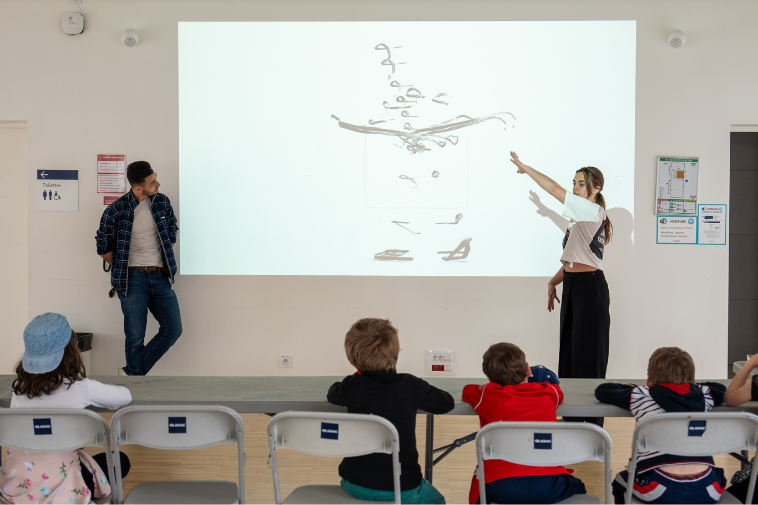
“ The vast majority of the audience is completely new to this,” says Pierre-Nicolas Chambefort, Programming Coordinator at the Biarritz Latin America Festival. “ The idea is to help people discover new things and provide the tools to understand different realities and contexts.”
The programs focus on two areas: education on Latin American issues and media literacy. “With Villa Fal Middle School in Biarritz, for example, we’ve worked extensively on film composition: how is a narrative constructed on screen, and through which elements? It’s essential to help students understand that a documentary is also a form of cinematic language. Film direction allows us to tell a true story in a way that can sometimes resemble fiction—to the point that many students didn’t realize what they were seeing was real, ” he continues.
This critical analysis extends beyond cinema. “I try to help them understand that everything we see on screen is carefully crafted to evoke a specific emotion in the viewer. It’s important for them to keep that in mind when they watch an influencer’s video on social media. Depending on the directorial choices, the goal might be to appeal to the audience or, conversely, to annoy them, for example,” he explains.
Developing Critical Thinking: An Educational and Democratic Challenge
In a world inundated with images—whether they be movies, real-life footage, or photos on our many screens—the ability to understand how this content is produced is becoming a major societal issue.
In November 2025, the Ministries of Culture and National Education announced a series of measures aimed at adapting media literacy education to the new challenges posed by the proliferation of screens, particularly with regard to children’s mental and physical health, as well as social cohesion and democratic life.
“Visual literacy, which is part of cultural and artistic education initiatives, means engaging with a perspective other than one’s own—that of a creator or a participant in the same collective experience—and recognizing how much this encounter enriches our capacity for analysis and sharpens our critical thinking,” explains Delphine Lizot, Executive Director of Archipel des lucioles, an association funded by the National Center for Cinema and the Moving Image (CNC) to coordinate several visual literacy programs at the national level. “Today, in a highly polarized society where opinions are sharply divided, exposing oneself to otherness opens up new perspectives and contributes to the empowerment of everyone,” she adds.
Thus, according to an impact study conducted in 2025 on the “Ma Classe au cinéma” program by the CNC, 70.2% of participants aged 10 to 20 believe that the screenings in this program helped them develop their critical thinking skills. Furthermore, for 63.9% of participants in this same age group, taking part in the program led them to reflect on social issues.
«Media literacy means engaging with perspectives different from our own and recognizing how much this exchange enriches our analytical skills and sharpens our critical thinking. Today, in a highly polarized society where opinions are sharply divided, exposing ourselves to otherness opens up new perspectives and contributes to the empowerment of every individual.
Media literacy means engaging with perspectives different from our own and recognizing how much this exchange enriches our analytical skills and sharpens our critical thinking. Today, in a highly polarized society where opinions are sharply divided, exposing ourselves to otherness opens up new perspectives and contributes to the empowerment of every individual.
»
Delphine Lizot
Executive Director of the Archipelago of Fireflies
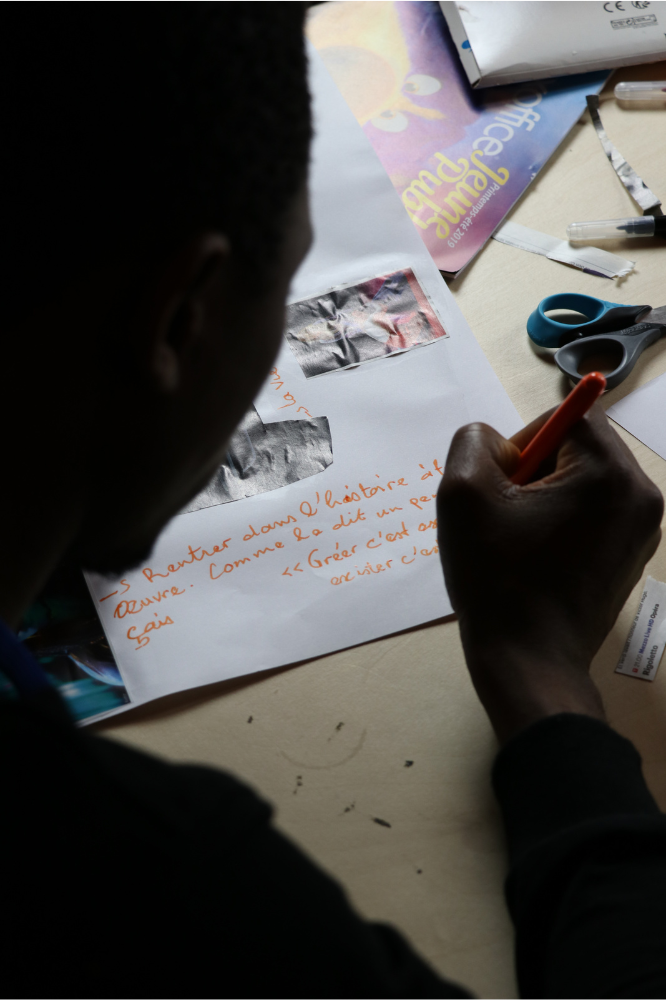
Beyond analysis, those involved in media literacy also rely on hands-on practice. At the Rencontres d’Arles, a major photography event held every summer, this approach has been developed over the past thirty years. Faced with the growing number of manipulated and fake images, learning by “doing” has emerged as an essential tool for developing critical thinking.
“The idea is that when you construct an image, you understand the mechanisms behind its creation. During the workshops, we demonstrate just how an image can be interpreted in multiple ways—or even doctored. We also point out that, ever since the invention of photography, certain images have already been retouched or manipulated, particularly for propaganda purposes, ” explains Fabrice Courthial, Head of the Education and Training Division at the Rencontres d’Arles.
Tools to Expand Access to Visual Education
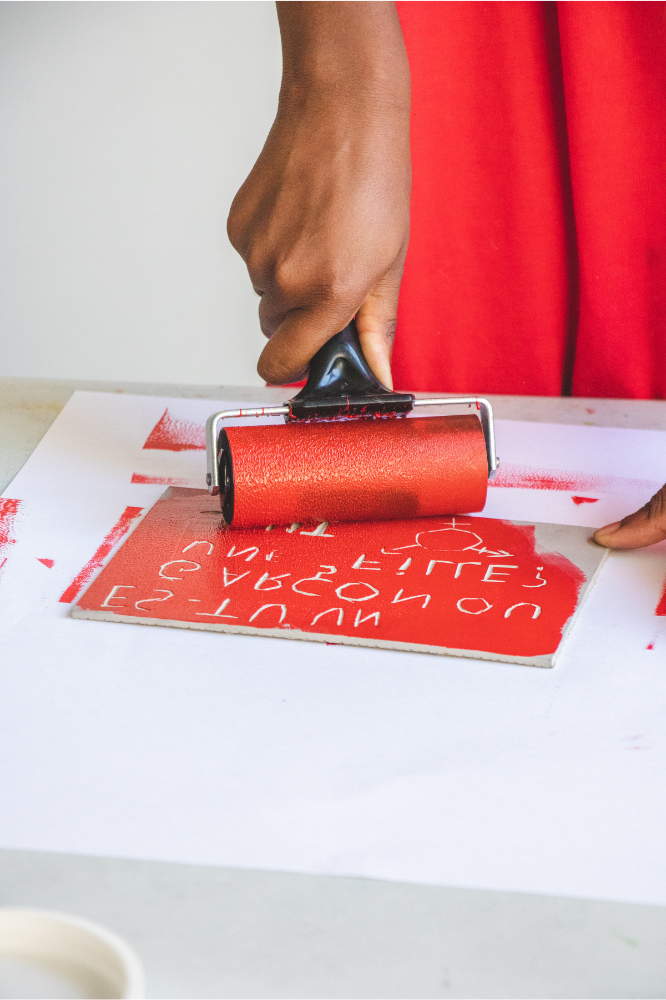
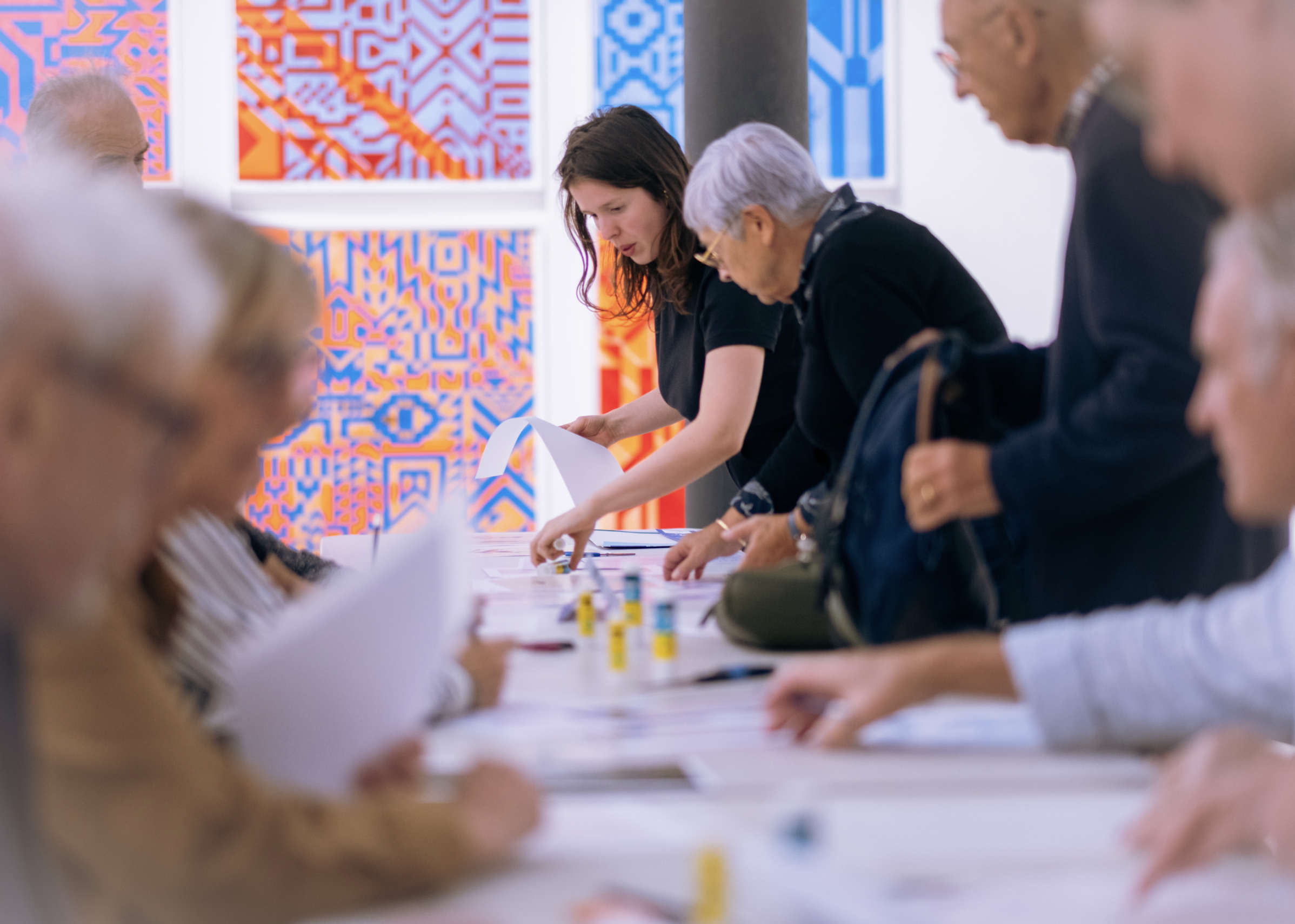
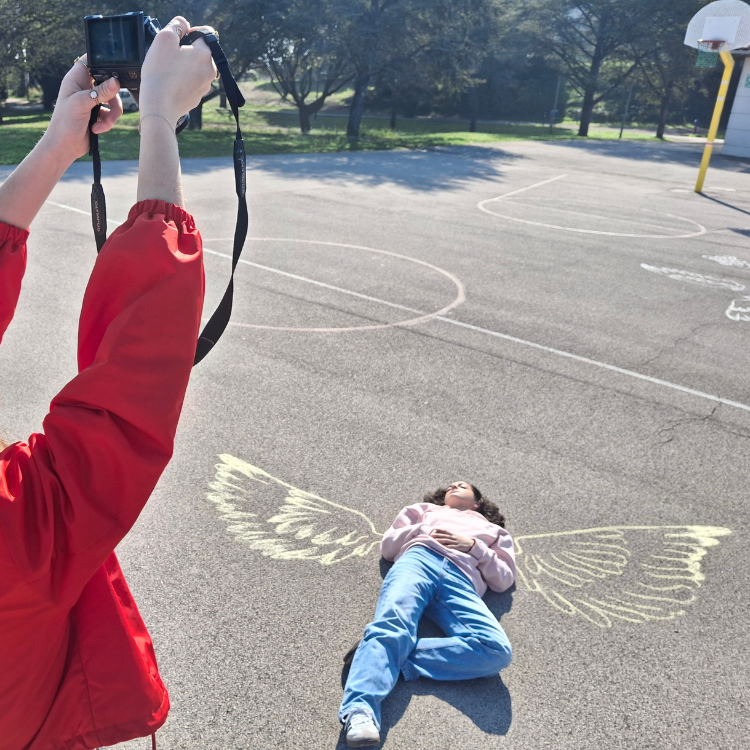
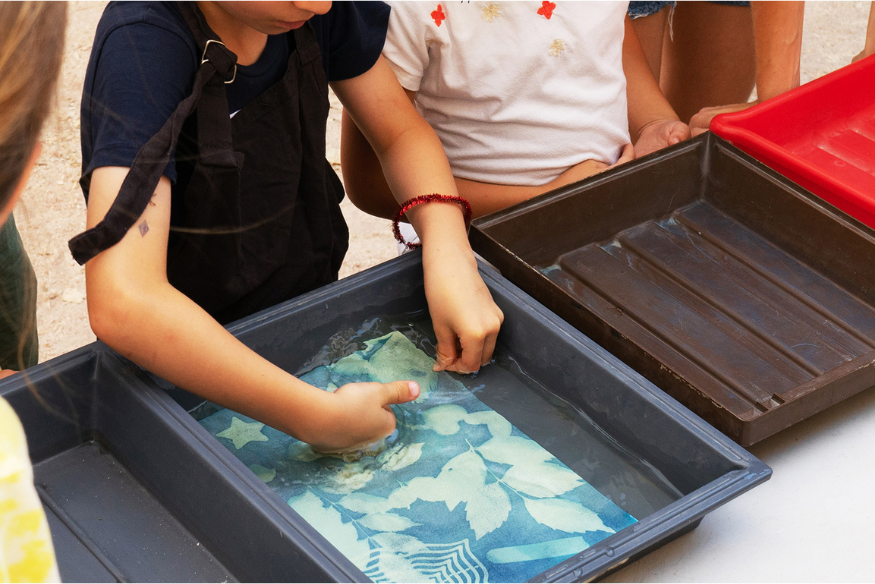
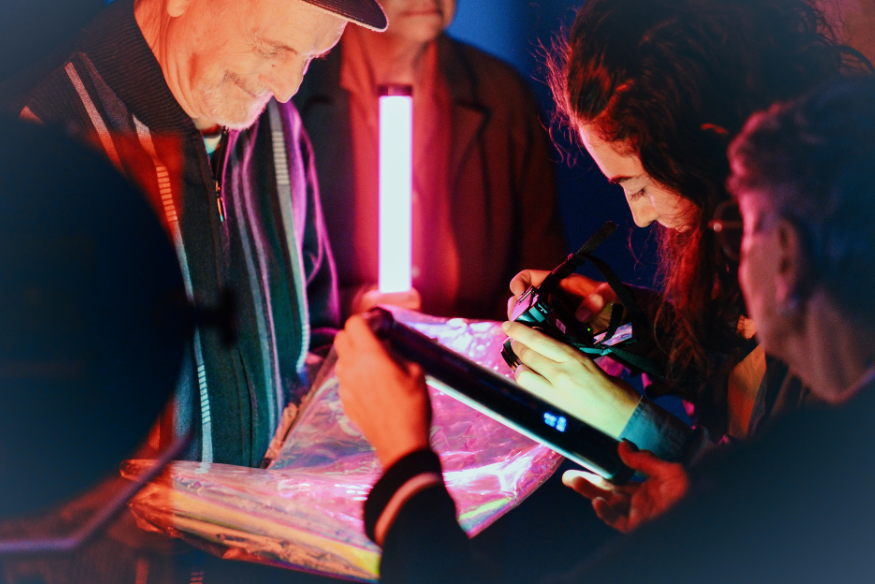
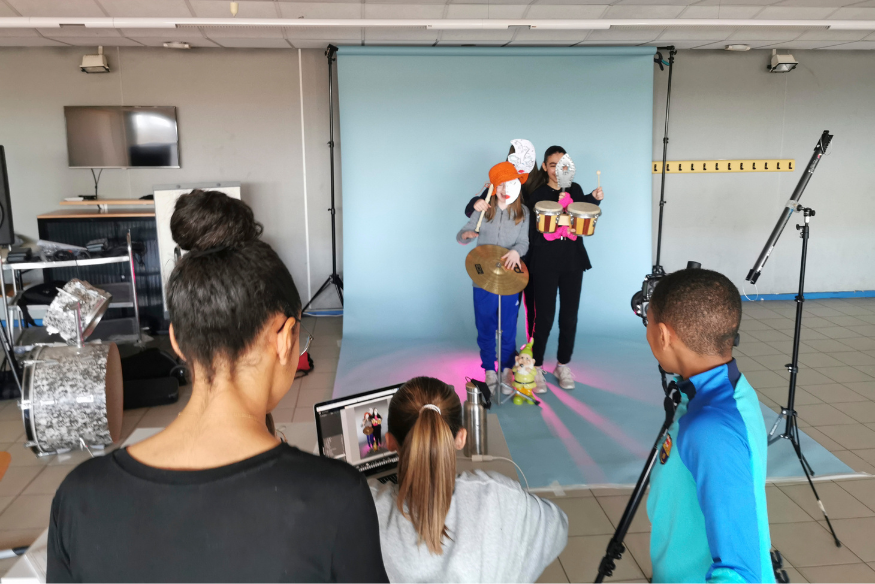
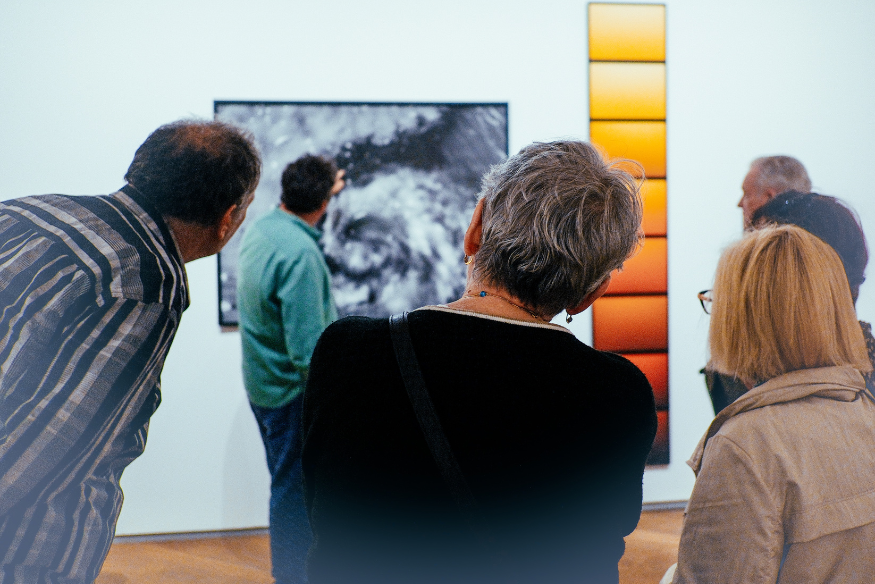
Throughout the year, the festival carries out its outreach activities primarily in schools—especially in remote areas on the outskirts of Arles—but also in institutions such as medical-educational centers and nursing homes, through the program “A Year in Pictures”. However, diversifying the audience remains a major challenge. Thanks to the program Une Rentrée en Imagesprogram, for four to five weeks starting in September, nearly 12,000 people accompanied by nonprofit organizations are welcomed each day to participate in educational activities.
“For the past three years, we’ve been trying to open up the program to people supported by organizations in the social, medical-social, or legal sectors. Thanks in particular to the support of the Daniel and Nina Carasso Foundation, we’ve been able to increase the number of groups we serve from about ten to about fifty. But we are still unable to meet all the requests,” notes Fabrice Courthial.

«For the past three years, we have been trying to open up the program to participants supported by organizations in the social, medical-social, or judicial sectors. Thanks in particular to the support of the Daniel and Nina Carasso Foundation, we have been able to increase the number of groups we serve from about ten to about fifty. However, we are still unable to meet all the requests.
For the past three years, we have been trying to open up the program to participants supported by organizations in the social, medical-social, or judicial sectors. Thanks in particular to the support of the Daniel and Nina Carasso Foundation, we have been able to increase the number of groups we serve from about ten to about fifty. However, we are still unable to meet all the requests.
»
Fabrice Courthial
Head of the Education and Training Division at the Rencontres d’Arles
To expand its media literacy initiatives despite logistical constraints on hosting capacity, the festival has developed educational resources that teachers, educators, and community organization leaders can use. The game Pause Photo Prose—of which nearly all 6,000 copies have been distributed—encourages participants to analyze and interpret photographs by exploring both their meaning and their potential uses. “ It shows that a photograph can also take on a life of its own, separate from its creator, and that it can be reinterpreted: by the press to illustrate an article, for a CD cover, for a book cover… ” explains Fabrice Courthial.
The system is complemented by digital tools such as the platform Observer/Voir platform (approximately 3,500 regular users), which offers workshops, theoretical resources, and practical guidelines for working with images in person or remotely. Or the “Œil pour œil”, which features content based on the work of photographers such as Charlotte Abramow and Matthieu Gafsou, enabling audiences to explore social themes that are rarely addressed—the role of women, society’s perception of people with physical disabilities…— .
Pooling and Organizing for Better Dissemination
At the national level, the association Archipel des lucioles launched a platform in September 2025 resource and tool section on its website, designed to promote local initiatives. This platform compiles materials created by regional coordinating groups around the network’s films and themes, with the aim of sharing resources. “For a very long time, locally created resources weren’t necessarily shared, and different coordination groups might create tools based on the same works. Now, if you want to screen a film in your area, you can find out if there’s a resource that’s already been created by another coordination team,” says Delphine Lizot.
This pooling of resources is part of a broader trend toward the structuring of the sector that has been underway for several decades. Beyond pooling resources, the Archipel des lucioles plays a role in coordinating networks of professionals across the regions—cinema operators, film educators, teachers, and organizations—and in forging links between local organizations, teaching staff, and local governments. “Regional coordinators are also deeply involved in teacher training and in curating film programs for young people,” notes Delphine Lizot.
The regional ecosystem that has developed around these initiatives has even led to questions about how these programs are funded. “In some rural areas, for example, rising gas prices have led municipalities to reduce or even eliminate funding for transportation to movie theaters. It is then up to local coordinating bodies to try to find solutions: ultimately, they play a highly political role on the ground.”
By organizing collaborative efforts, pooling resources, and supporting those working on the ground, these networks aim to ensure more equitable access to images—and to ensure that these lessons are not limited to just a few audiences.
Three Challenges to Overcome
“Looking ahead to 2029, we believe several developments will be crucial for the field of film education. The first challenge is consolidation: securing staff, stabilizing regional coordination efforts, and strengthening the recognition of film education as a cornerstone of arts and cultural education. The second challenge concerns professionalization and the quality of practices, including the development of shared tools, structured training programs, and evaluation frameworks capable of thoroughly documenting educational and regional impacts over the long term. Finally, a third major challenge is that of openness and diversity: expanding the audiences actually reached, improving the accessibility of programs, and fostering the emergence of new types of mediators, artists, and film professionals—particularly those from underserved regions or with disabilities. This evolution is essential to ensure that media literacy is not merely a tool for raising awareness, but also a genuine driver of equal access, the renewal of narratives, and the transformation of the sector itself.”
Klaus Fruchtnis, Director of the “Art for Citizens” program at the Daniel and Nina Carasso Foundation

Photo credits: © France Alzheimer; © Rentrée en images; © Une Année en images @Aurore Valade; © Stucin