14 octobre 2024
Sorghum, millet, tempeh, sails, depolluted soils, meal vouchers: discover the sustainable solutions of 5 inspiring companies


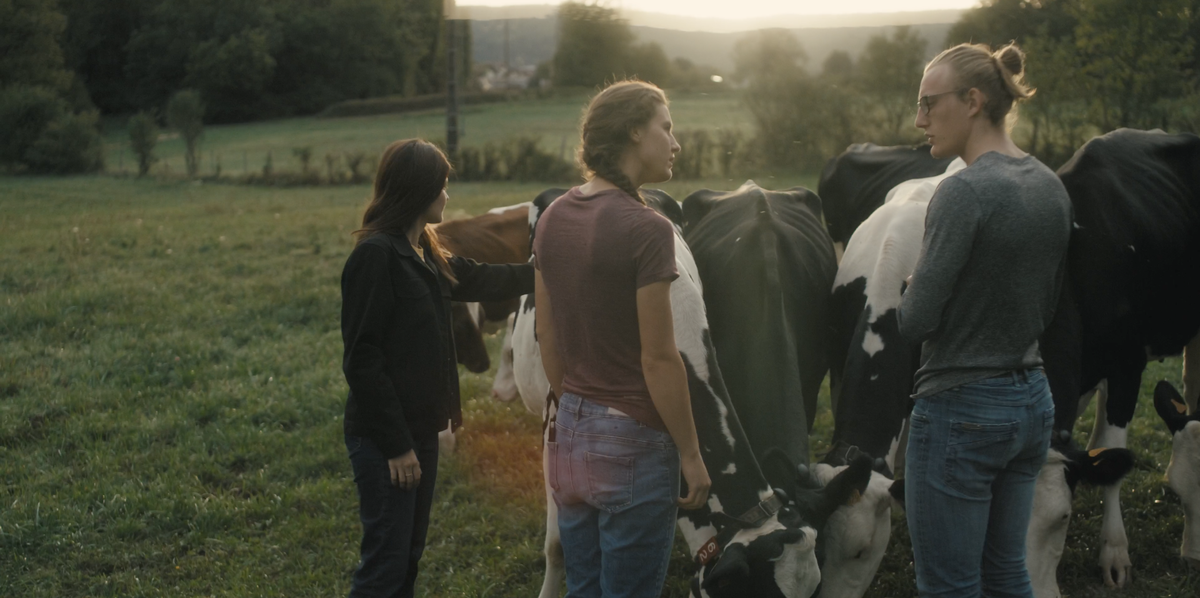
This year, 5 new companies joined the Tiina seed fund, created as part of our impact investment policy, to meet the challenges of the transition of our food and agriculture. They benefit from a reduced interest loan of up to 50,000 euros and support from our partners, MiiMOSA and makesense. Discover these innovative solutions that are building the world of tomorrow today!
The winning projects of the Tiina seed fund invite us to take a modern look at sometimes ancestral practices. Whether it is a question of fishing under sail, benefiting from the combined virtues of fermentation and legumes or defining our diet according to the adapted plants (and not the other way around), they nevertheless offer breakthrough innovations, which may be the norm tomorrow. All these innovations are part of the food transition and the plant-based nature of our plates. “These solutions help to regenerate ecosystems while improving the quality of our food. They weave win-win links between agriculture and food, between ecosystems and humans. We see them as future champions at the heart of the transition,” comments Guilhem Soutou, Sustainable Food Program Manager.
Grain power: the power of ancient harvests
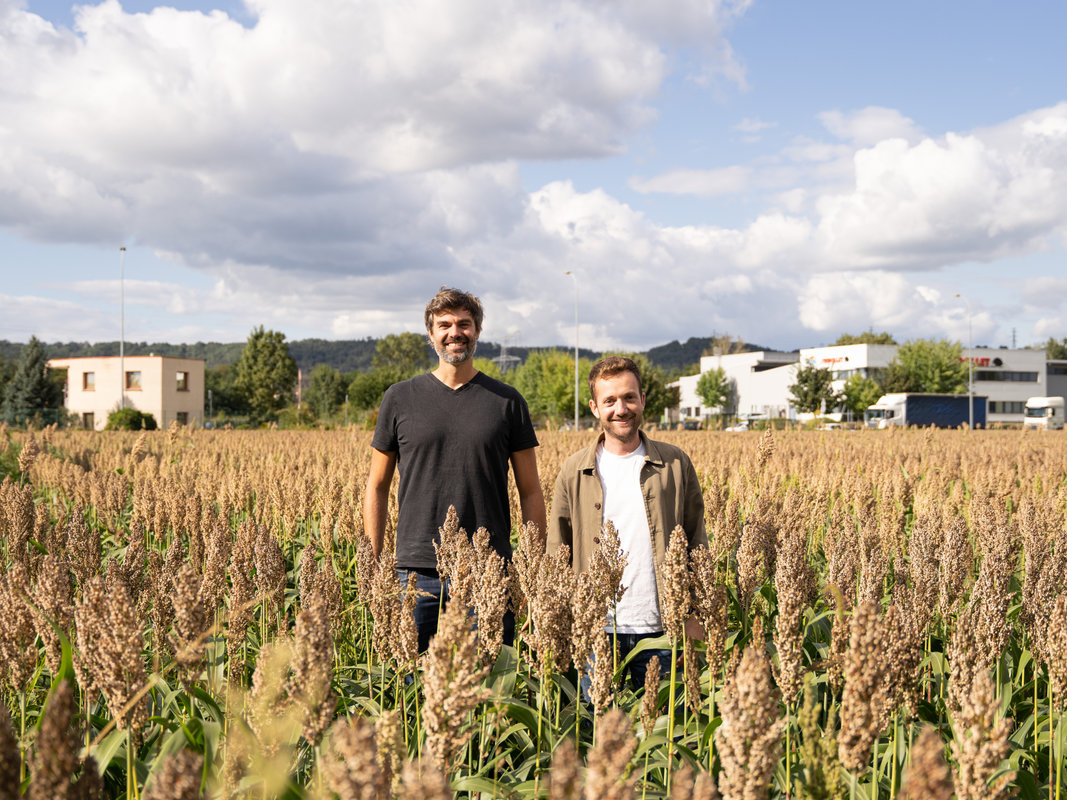
Cereals such as sorghum and millet provide solutions for a more sustainable agricultural system. These two thousand-year-old crops are less water-intensive, more resistant to droughts and can be grown in summer rotations at higher temperatures than other cereals such as maize for example. Vieille Graine, a young company from Lyon, has set itself the mission of promoting these cereals that are more resilient to climate issues, by creating outlets for these crops for farmers. Thanks to exclusive supply chains and close collaboration with seed companies and researchers, it has developed a range of organic grocery products ranging from breakfast to aperitifs, gluten-free and rich in nutrients. Only one year after its launch, the brand is already present in more than 300 organic stores and is now focusing on collective catering thanks to adapted products. Its products and recipes can be discovered on https://vieillegraine.fr
«
Thanks to this funding, we will be able to finalise the financing of our first 1st processing tool: a sheller adapted to sorghum and millet, the cornerstone of the structuring of our sector in the Auvergne Rhône Alpes region. It will also allow us to consolidate our R&D and commercial efforts.
»Kevin Crevant, Aurélien Amir and Monia Caramma
Tempeh: a new ingredient in our kitchens
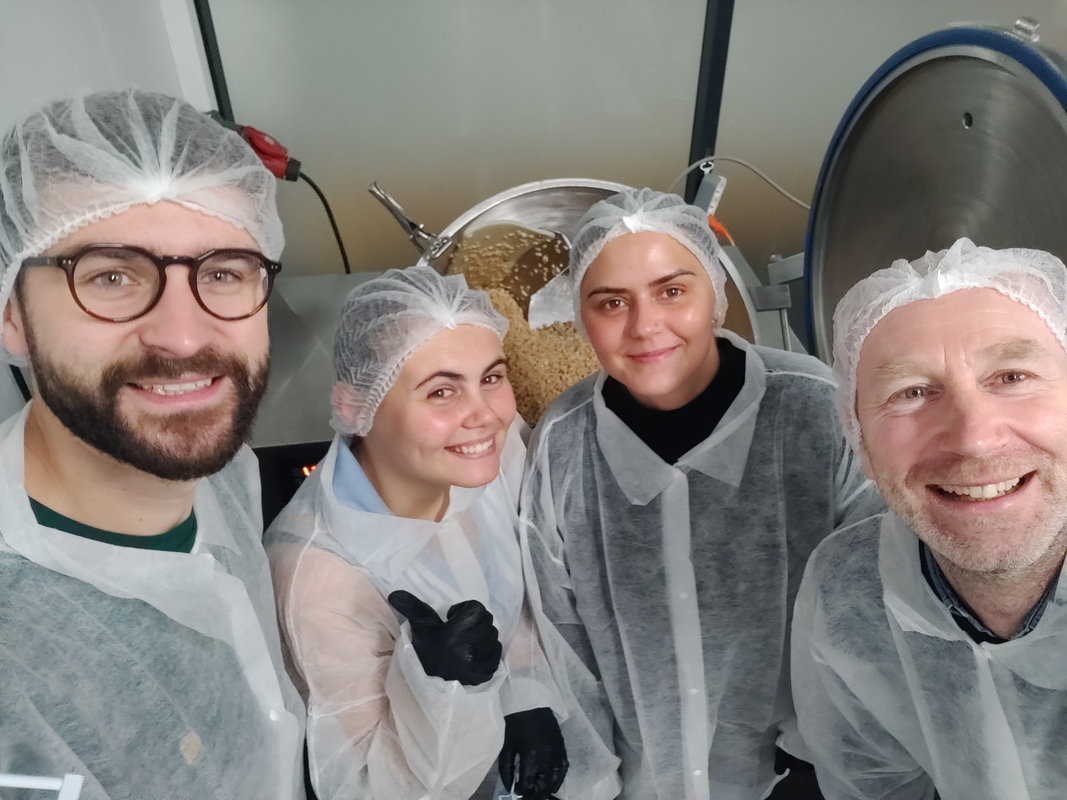
How can we face the challenges of plant-based food on our plates without ultra-processing? This is the central question that FOOH answers by offering plant-based alternatives to meat and fish without trying to imitate them. The secret lies in the so-called solid fermentation of French organic legumes (soya, chickpeas, etc.) or tempeh, which originates from Indonesia and has very high nutritional virtues. Concerned about producing sustainable food, FOOH’s team of engineers has embarked on this industrial project with unique and innovative know-how: the production of French organic tempeh rich in protein and fiber. With only 3 ingredients and no additives, FOOH organic tempehs have already convinced French brands to produce for them in specialized networks. “Being a Tiina laureate is a way for FOOH to show our alignment with our core values, our commitment to sustainable food and to protect what drives us on a daily basis,” explain Ronan Decroix and Pierre Butruille, co-founders. “In addition to the support and guidance of the Tiina program, the Foundation’s loan provides an additional guarantee for our long-term industrial project” Their range of products and recipes can be discovered here !
«
Nearly 80% of arable land in France and 60% in the world is dedicated to livestock farming, which is responsible for more than 15% of greenhouse gas emissions. So whether it’s for environmental reasons, health reasons or animal welfare, veganize your plate and taste the tasty FOOH tempeh!
»Pierre Butruille and Ronan Decroix
Regenerating soils with plants
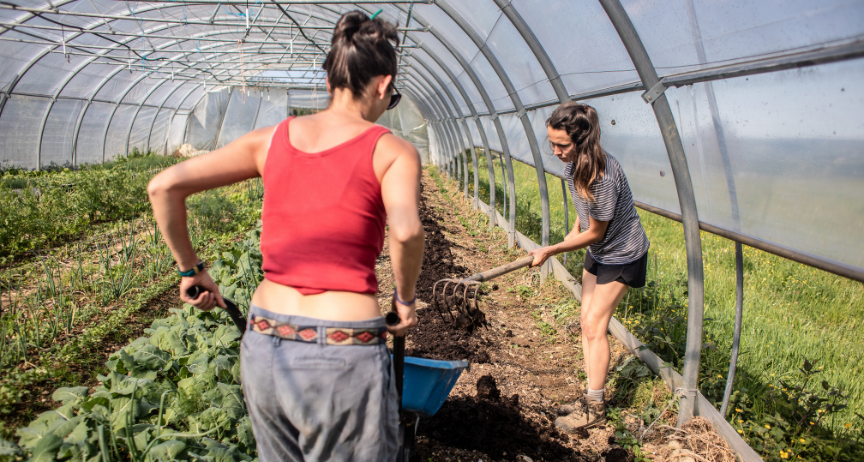
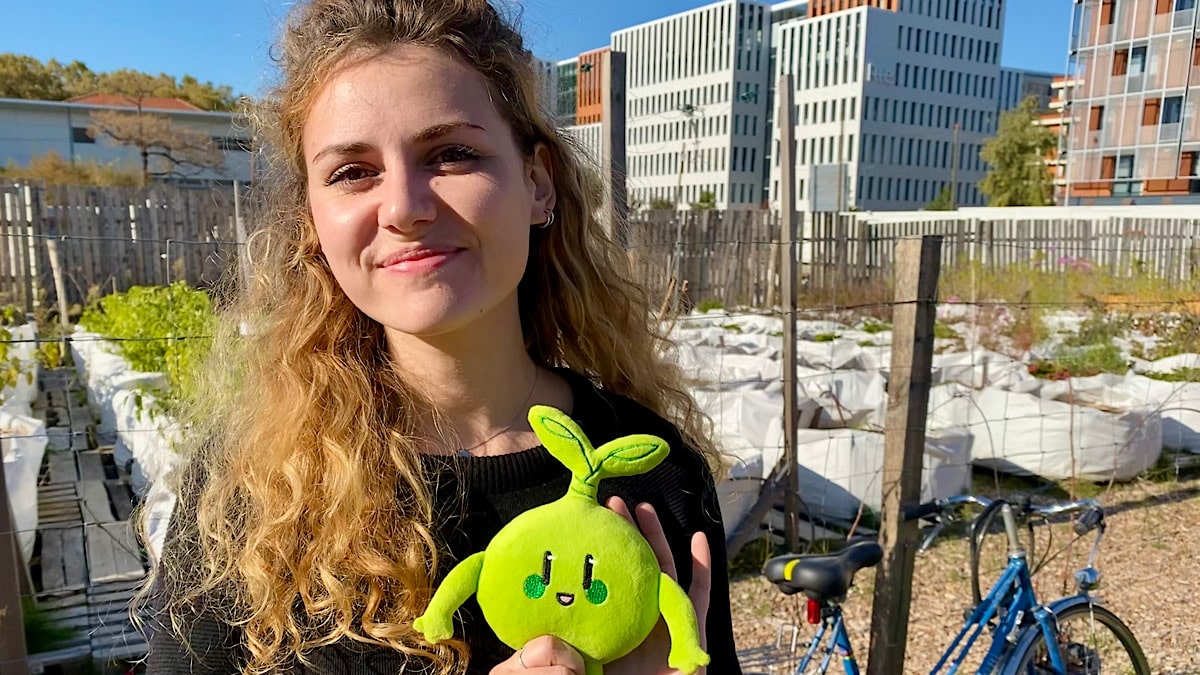
In France as in the world, many soils are polluted by heavy metals (zinc, lead, chromium, aluminum, etc.) that have accumulated for several decades. Polluted soil considerably slows down the growth of plants, makes them vulnerable to pests, and reduces the quality of production. How can we help farmers reduce the use of chemicals while promoting more natural agriculture? This is how Biomede was born, a unique solution that uses plants to extract heavy metals from the soil, a concept called “phytoremediation”. Labelled by the Ministry of Ecological Transition, this mission-driven company aims to regenerate agricultural soils and improve the quality of production. To find out more, go to https://biomede.fr
«
The future of agriculture is based on a balance between productivity and respect for nature. With my team, we have set up an approach focused on science, but also on listening to the needs of farmers. We work hand in hand with them to adapt our solutions to their farms, because each soil has its own specificities.
»Ludovic Vincent
Boost, the most committed meal voucher menu
Coup de pousse’s mission is to make meal vouchers, which are at the heart of our daily diet, a lever for agricultural transition through the financing of impact projects, raising awareness among the sector’s players of the challenges of sustainable food and agriculture, and encouraging more sustainable consumption. This solution democratizes the challenges of food to the general public. Coup de pousse finances resilience projects from a portion of the service fees charged to companies.
Skravik, a cooperative shipping company
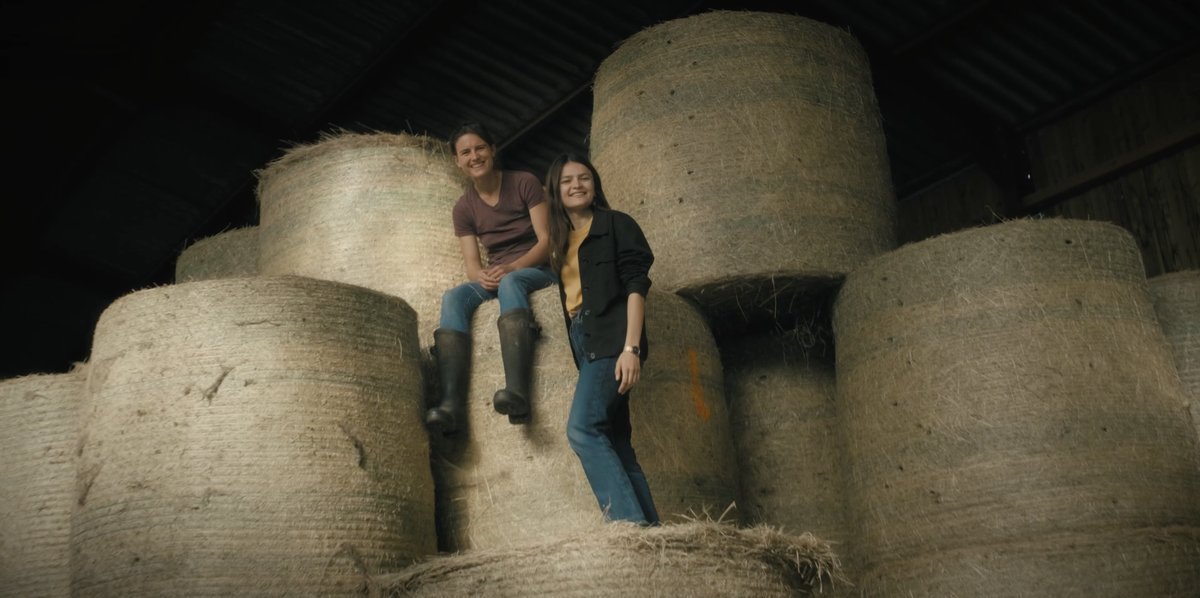
The Skravik cooperative proposes to awaken to the potential of modern sailing workships to shape a sustainable future for coastal territories. It upcycles pleasure sailboats transformed into sail-powered workboats for various professions such as fishing and scientific maritime operations. Through its activities (support for research at sea, fishing, and support through training) Skravik explores an alternative economic model that can propose solutions to minimize the environmental footprint of maritime activities and promote collective utility, nourished by experimentation and technical and social innovations. The founding team is made up of scientists, engineers or long-distance sailors who have become sailors. Learn more: https://www.skravik.com