


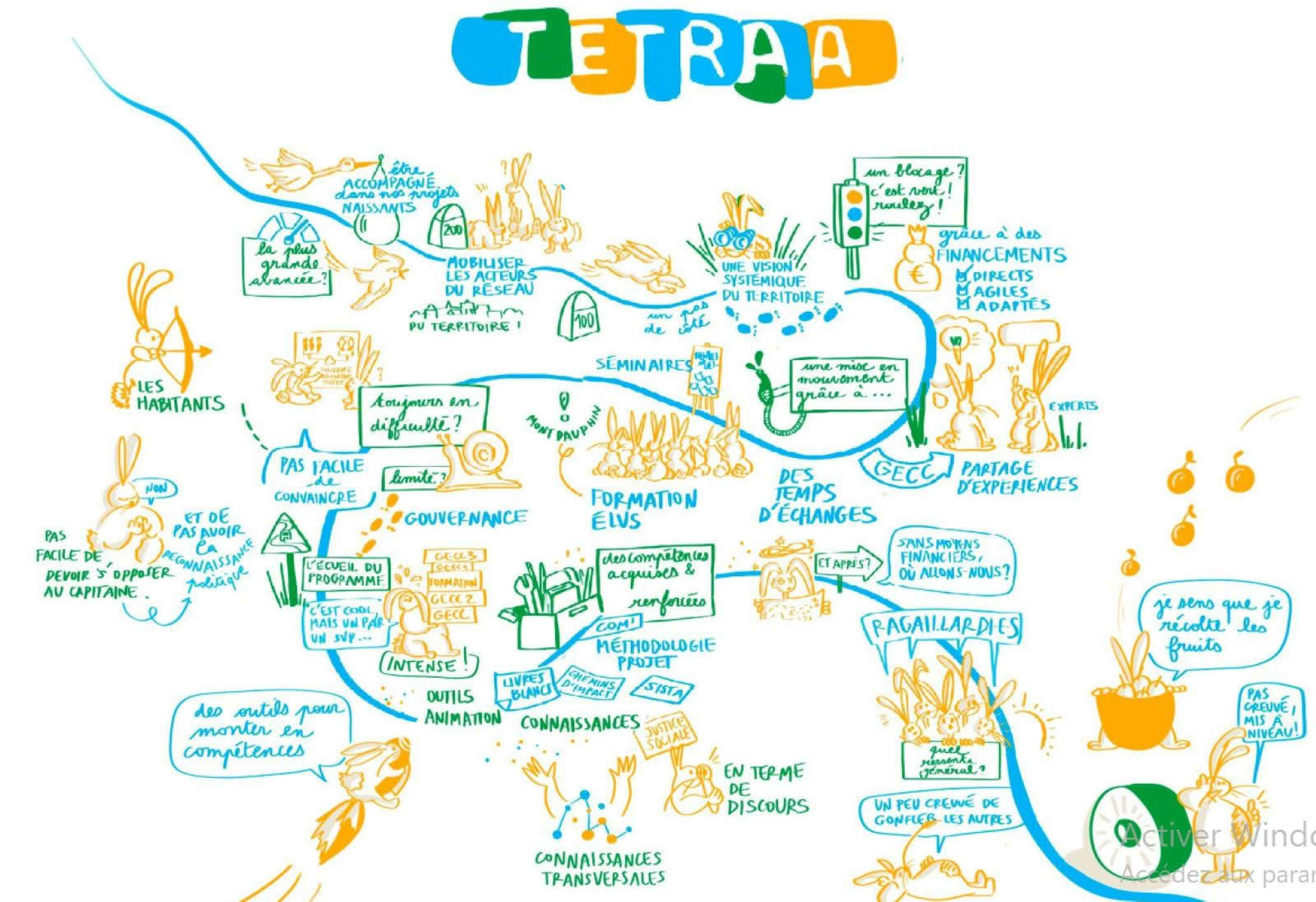
Beyond project funding, TETRAA offered comprehensive support based on three pillars: financial support for regional initiatives; methodological support promoting peer-to-peer exchanges, training, and the sharing of lessons learned; and research aimed at analyzing the barriers and drivers of the transitions underway. This collaborative approach enabled the nine pilot regions to experiment with new forms of governance, cooperation, and action in support of more resilient agriculture, high-quality food, and a strengthened food democracy.
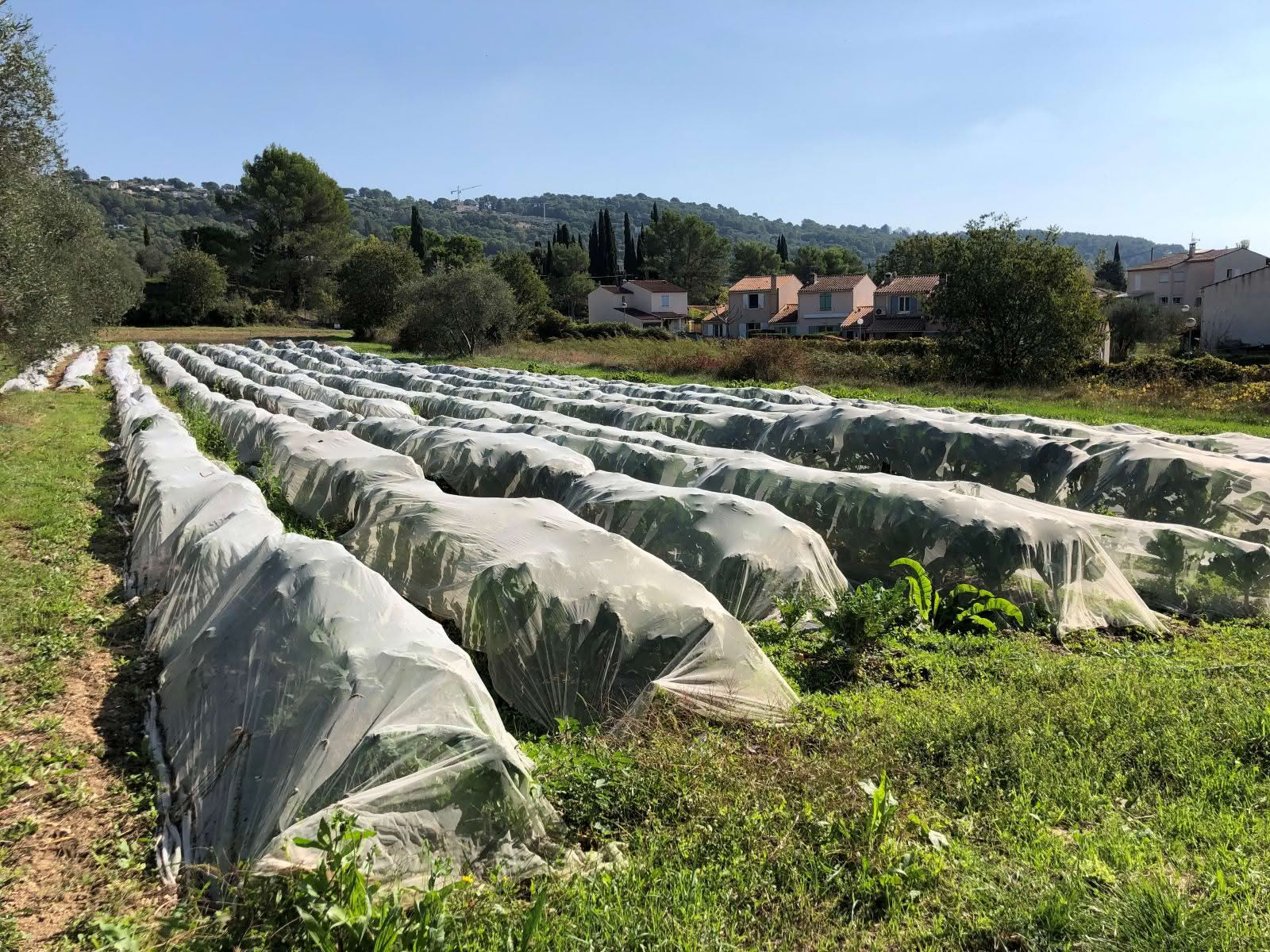
One of TETRAA’s major goals was to generate knowledge that could be applied beyond the participating regions. The lessons learned from five years of experimentation have resulted in numerous resources, methods, and recommendations intended for local governments, on-the-ground stakeholders, researchers, and public policymakers. By turning these regions into true laboratories for innovation, the program helps strengthen the engineering of the agroecological and food transition and disseminate practices capable of inspiring other initiatives in France and across Europe.
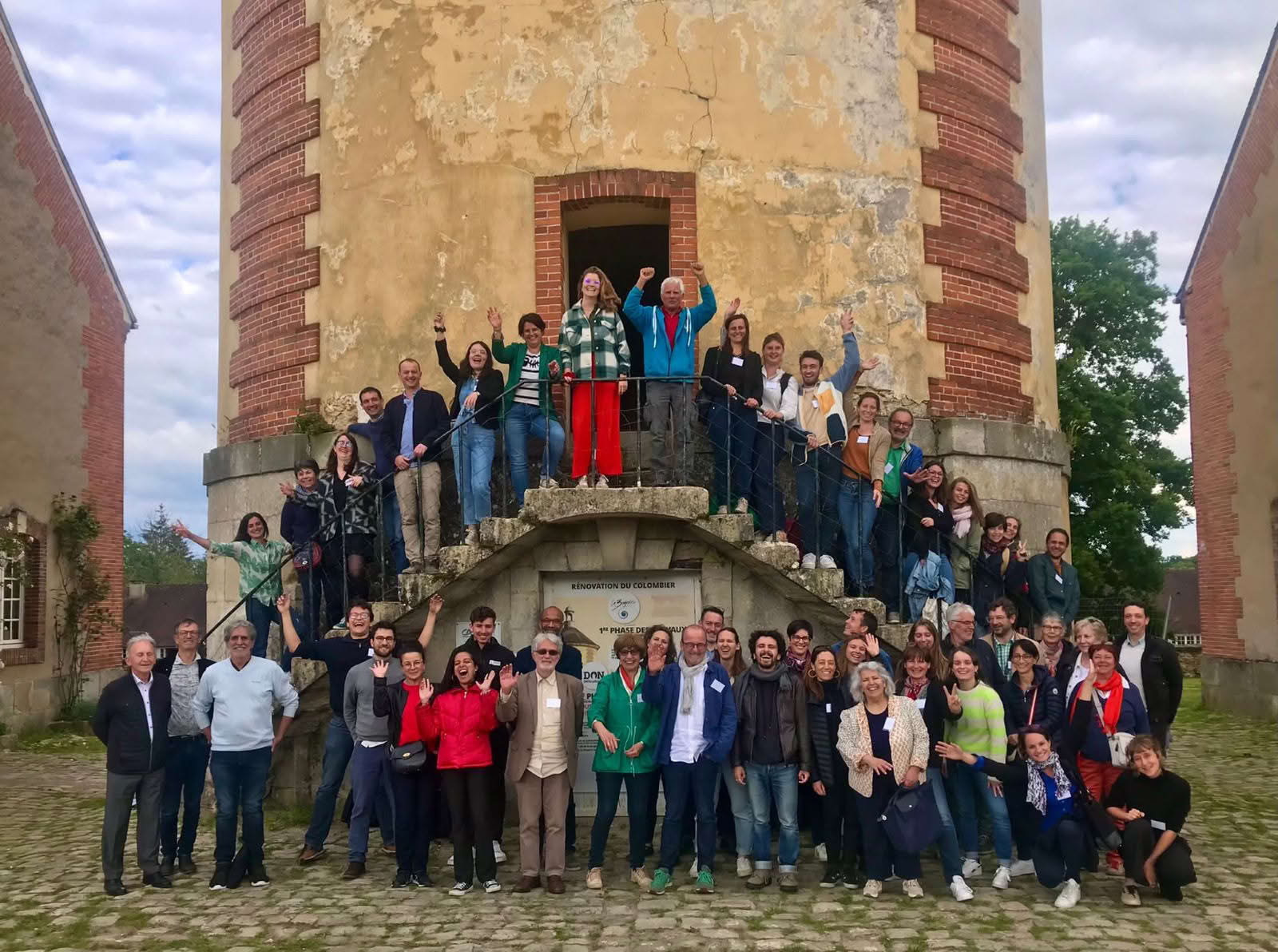
The nine pilot regions receiving support are groups of local stakeholders. They work within their local communities to accelerate the agroecological and food transition.
These groups are most often composed of local governments, professional organizations, associations, and various institutions (medical and social service organizations, research and training institutions, etc.). Through their composition, they aim to reflect the diversity of stakeholders involved in the issue and often operate at the intersection of several disciplinary fields (agriculture, health, environment, education, etc.). Pilot regions operate at varying geographic scales, ranging from the municipality to the “Pays” (a regional entity comprising several EPCIs). The Foundation’s support for these regions has continued beyond the program period.
Douaisis Agglomération (Nord): Douaisis Agglo, a community of municipalities in the Hauts-de-France region, brings together a broad coalition ranging from producers to consumers, including local residents. Together, they are working to promote greater well-being, social justice, and resilience in the face of climate change, with the goal of accelerating the transition that began several years ago. By leveraging the food sector, the region seeks to provide a more ecological, equitable, and inclusive living environment, while improving the health and well-being of all. This initiative is based in particular on the diversification of agricultural production, the adaptation of farms to climate change, and the preservation of natural resources.
Finally, Douaisis Agglo is committed to enhancing the image of farmers and strengthening the bonds of trust between the agricultural community and residents.
City of Grande-Synthe (Nord): The city of Grande-Synthe aims to foster a more equitable and inclusive food system. In the face of ecosystem degradation, climate change, and growing social inequalities, it is supporting the evolution of economic practices and activities. Citizens are thus invited to imagine new ways of living, residing, and consuming.
The goal is to strengthen the participation of everyone—especially those in the most precarious situations—to ensure access to food that is of high quality, environmentally friendly, and chosen by the consumers themselves, while also respecting farmers. This approach brings together citizens, elected officials, economic stakeholders, and technical experts around a common project.
Finally, in light of the retirement of many farmers, the municipality aims to facilitate the creation of organic market gardening operations and support the professional development of project leaders within local supply chains.
Pays des Châteaux Joint Association (Loir-et-Cher): The Pays des Châteaux Joint Association is active across all areas of the energy transition. As part of a Local Food Council, they have highlighted five key issues:
– maintaining agricultural diversity to ensure a rich and varied landscape;
– developing a local food sector that creates jobs;
– supporting the transition toward a more sustainable food system;
– raising awareness and making healthy, local food accessible to all segments of the population;
– promoting the region’s local character to enhance its image.
The short-term objectives are to significantly reduce food waste in schools, to source food aid from local producers, and to raise awareness and drive changes in practices among farmers toward a sustainable model.
Bourg-en-Bresse Basin Urban Community (Ain): Grand Bourg Agglomération has been committed to addressing agricultural and food issues for several years, with the goal of accelerating the ecological transition by promoting high-quality products and bringing added value back to the local economy. Numerous local stakeholders are involved.
Four key priorities shape the agriculture-food strategy: producing locally using more sustainable practices, ensuring access to quality food for all, raising awareness of agricultural issues, and creating an environment conducive to the long-term viability of agriculture.
This initiative is based on concrete actions: community gardens and orchards, supplying institutional dining services with products from farm-to-school or agroecological farms, and developing logistical tools to strengthen the regional network.
Queyras Regional Nature Park (Hautes-Alpes): The Guillestrois–Queyras region aims to preserve farmland, facilitate the establishment of new farmers, and ensure high-quality food for all through cooperative efforts and collective action. The challenges and objectives involve preserving farmland and combating land speculation, while encouraging new farmers to set up operations to ensure generational renewal and strengthen existing farms. It also aims to raise awareness and unite citizens around an innovative cooperative model, guarantee access to high-quality food for everyone, and develop a local, climate-resilient seed sector.
Pays Cœur d’Hérault Joint Development Authority (Hérault): SYDEL du Pays Cœur d’Hérault is committed to a sustainable local food system based on environmentally friendly agriculture, diversified production, and a better response to local demand. In a context marked by the predominance of viticulture and a decline in agricultural land, the region faces challenges in establishing and organizing food-producing agriculture. To address this, it aims to preserve agricultural land and natural resources—particularly water—while developing local supply chains and promoting the inclusion of vulnerable populations. This initiative is based on shared governance, working to promote employment, social cohesion, health, and access to high-quality food for all.
Pays Terres de Lorraine: The stakeholders in the Pays Terres de Lorraine region have embarked on a systemic transition based on the region’s resilience, drawing on their existing achievements and expertise. Their goal is to scale up their efforts by strengthening synergies—particularly with neighboring regions in southern Meurthe-et-Moselle, with which they share a Territorial Food Project—and by engaging residents, especially those in the most vulnerable situations.
The collective aims to facilitate access to land and the transfer of farms in order to strengthen the agricultural fabric and support new economic dynamics. It also aims to develop local production, organize local supply chains, and reduce inequalities in access to high-quality food, while sustainably preserving soil, water, and biodiversity.
Biovallée (Drôme): The intermunicipal associations of Biovallée have set ambitious goals for 2040: 50% of farmland under organic cultivation, a 50% reduction in chemical inputs, and 80% organic and/or locally sourced products in institutional food service. The Val de Drôme Community of Municipalities, the driving force behind this transition, leads the Innovative Food System program, which is structured around four pillars: relocalizing the food supply, developing a culture of responsible food consumption, experimenting with solutions to ensure access to high-quality food for all, and adapting governance.
This initiative aims to engage all residents, through a spirit of solidarity and intergenerational cooperation, to improve the quality of life in the region.
City of Mouans-Sartoux (Alpes-Maritimes): Mouans-Sartoux works with a broad network of partners to promote sustainable food systems. Together with MEAD, it shares its experience and supports innovation. Its policy aims for food sovereignty and access for all, supported by a municipal agricultural authority. The MEAD coordinates the PAT’s initiatives and provides support to other localities.
