Sustainable food
30 September, 2026
Eight Projects Selected in Environments to Nourish Change


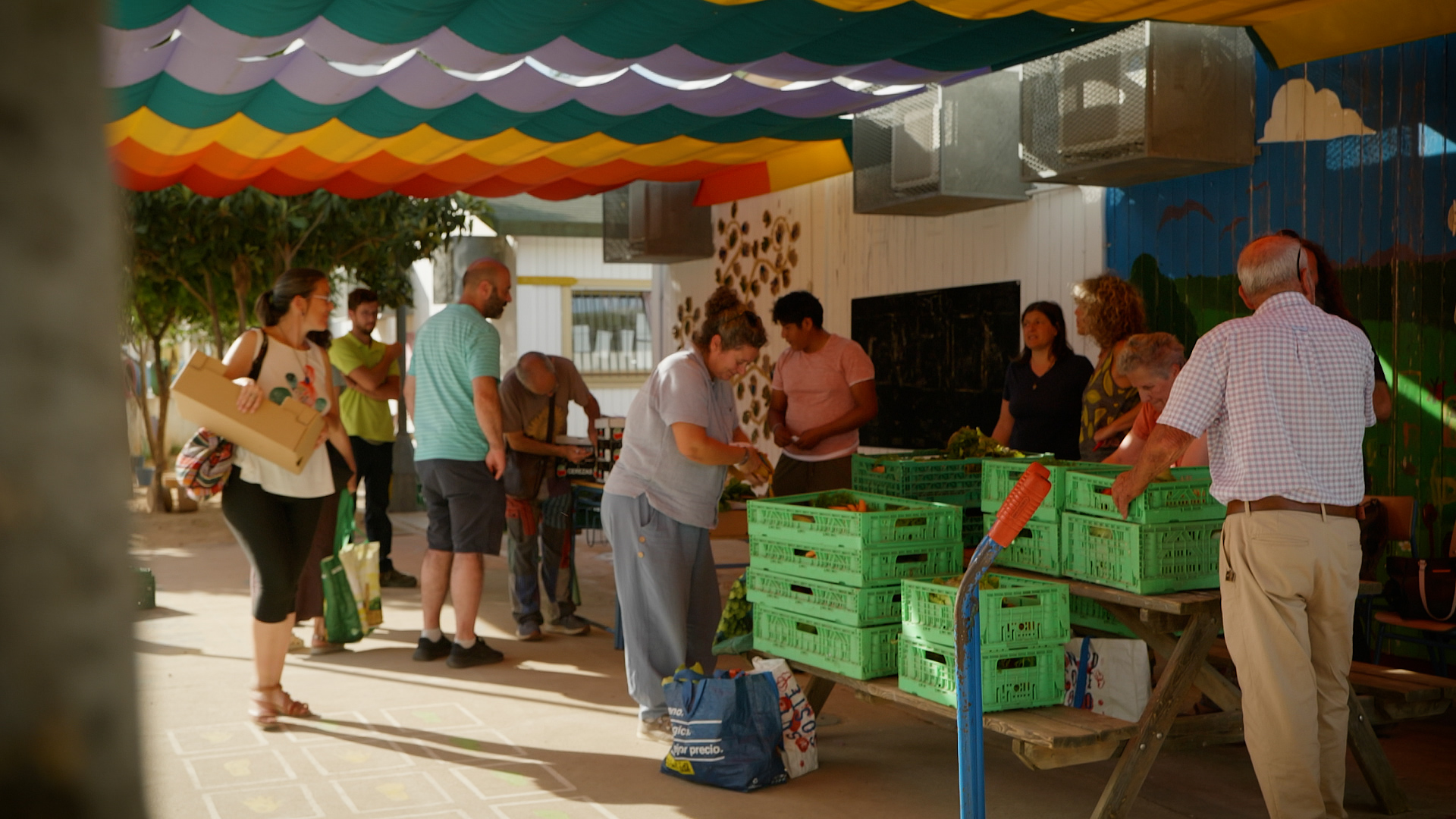
At the Daniel and Nina Carasso Foundation, we believe that the consumption decisions of citizens, institutions, and the business sector have enormous potential to contribute to building more sustainable, healthy, and accessible food systems. With this conviction, we are taking a new step in our commitment to this principle through the first edition of the call for proposals Environments, which has selected eight projects aimed at promoting food environments that facilitate access to healthier and more sustainable food.
The response to this first call reflects the existing interest and commitment throughout Spain to advance towards more sustainable food. Two hundred proposals from all Autonomous Communities have been submitted to this edition, presented by a wide diversity of organizations: socio-educational and territorial development associations and cooperatives, associations and cooperatives specialized in food, municipalities, consumer cooperatives, neighborhood associations, Local Action Groups and Territorial Innovation Centers, family associations, universities, or merchant associations. A participation that demonstrates the diversity of initiatives and the existing capacity for collaboration to drive a transformation of food systems from the local level.
The call for proposals has shown that throughout Spain there is an enormous diversity of stakeholders committed to driving structural transformations and working in a coordinated manner so that healthy and sustainable food is the most accessible option for all people
Adrián Gallero
Sustainable Food Program Manager at the Daniel and Nina Carasso Foundation
With a budget of 570,000 euros, the Foundation will provide financial support to the eight selected projects over a two-year period. The initiatives will address different dimensions of food environments, from the availability and access to local food to economic and sociocultural factors, public policies, and information directed at consumers. The objective is to support projects capable of generating concrete and sustained changes in the territories where they operate.
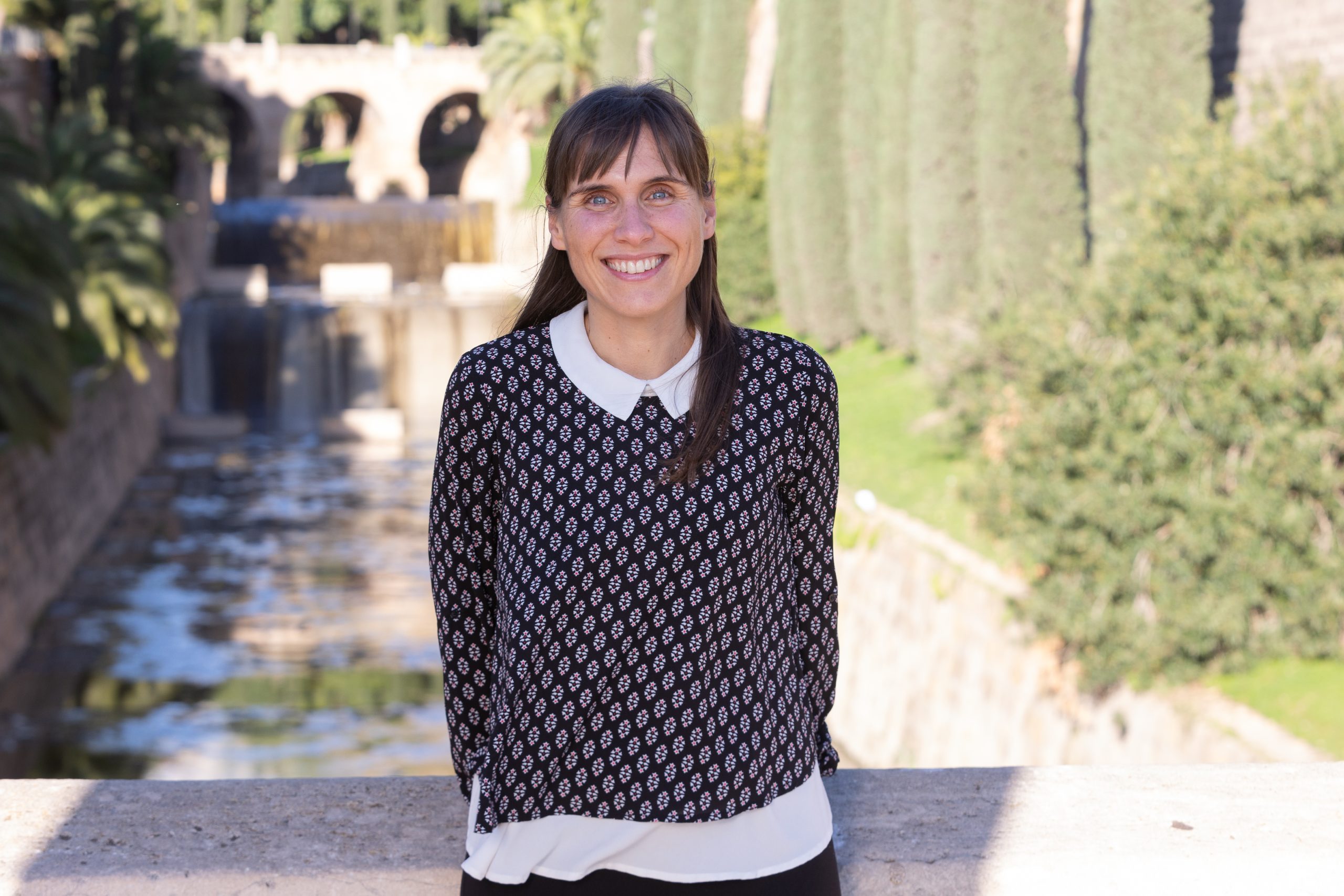
It is exciting to see the number of excellent proposals committed to building healthier and more sustainable food environments. Choosing among them has not been easy, but it has been enormously gratifying to feel that, in some way, you are contributing to making them a reality
Ujué Fresán
Jury Member and Scientist at the Institut de Recerca i Tecnologia Agroalimentàries (IRTA)
The food environments comprise the set of physical, economic, social, and cultural conditions that influence what foods are available, how they are accessed, and which options are most attractive to the population. Places of purchase, supply, prices, presentation and promotion of products, as well as customs and knowledge related to food, are part of this framework. Its transformation implies that healthy and sustainable options are also the simplest, most accessible, and most desirable, while fostering demand capable of driving fairer and more sustainable supply chains.
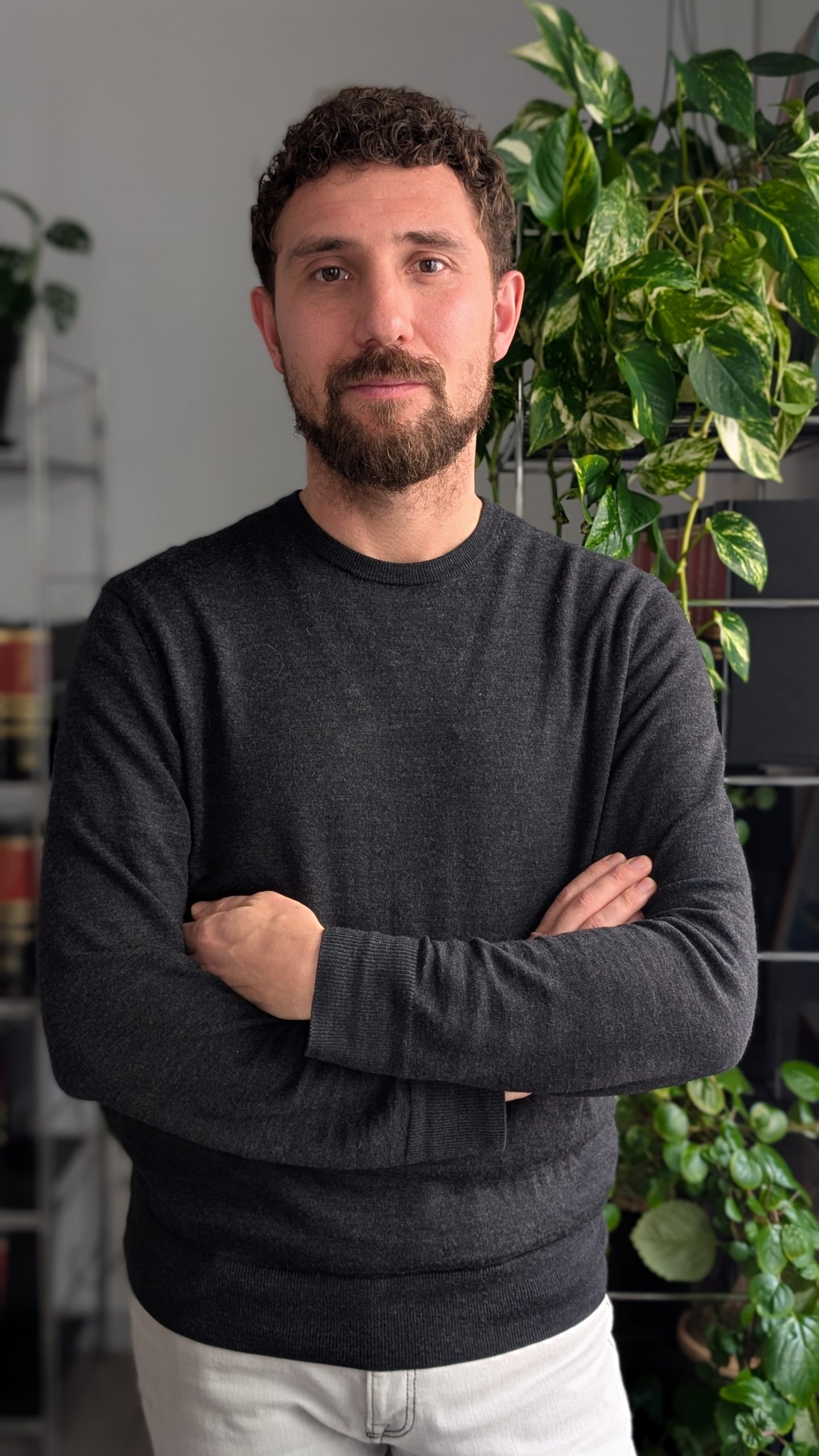
We have found a great diversity of proposals to build healthy and sustainable food environments. These will be examples that, from the territory, will help advance one of the great food challenges: moving from individual responsibility to demanding access to the most necessary foods, such as healthy, local, and organic options.
Eduardo Montero
Jury Member and Food and Water Expert at the Federation of Consumers and Users (CECU)
Once again, at the Daniel and Nina Carasso Foundation we especially celebrate the reception of this first edition of Environments, as well as the quality and diversity of the proposals received that allow us to appreciate their commitment, capacity, knowledge, and experience to advance toward healthier, more sustainable, and fairer food systems and generate impacts in their territories.
The selected projects are:
Walking Toward a Sustainable and Accessible Food System in Laudio
Ekintaeko elkartea
Llodio/Laudio (Álava)
The alliance between Ekintaeko and the Municipality of Laudio seeks to implement a local, healthy, and sustainable food access system through Food Social Security schemes for the general public and vulnerable groups. The project includes the establishment of a store and the creation of a digital wallet, as well as the launch of a community canteen for people at risk of exclusion.
_____________________________________
Canteens as a Lever in the Agroecological Transition of Debagoiena
Ereindajan Bergara koop. elk. Txikia
Alto Deva/Debagoiena (Gipuzkoa)
The project drives the transformation of canteens—both public and corporate—in Debagoiena (Basque Country) so that the food served daily is healthier, more sustainable, and connected to the territory. The initiative will promote the incorporation of local and seasonal products in menus, creating new opportunities for producers in the region and bringing higher-quality food to thousands of people through everyday consumption spaces.
_____________________________________
Neighborhoods that Nourish
Mercao Social La Rendija
Seville
This project promotes access to healthy and sustainable food in the Seville neighborhoods of La Macarena and San Julián, bringing fresh, seasonal products produced in a fair and sustainable manner to their population. To this end, it creates functional periodic distribution points, with weekly deliveries. It also addresses economic, social, cultural, and informational factors that affect food, through cooking workshops, tastings, and farm visits, as well as through direct collaboration with local producers.
_____________________________________
Peix de Llotja. Transforming the Commercial Ecosystem
Associació Grup d’Acció Local Pesquer Costa Daurad
Catalonia
Certification initiative that grants a quality seal to restaurants, markets, and fishmongers that commit to offering and serving fresh fish caught by the local fleet, coming directly from Catalonia’s fish markets. The system incorporates verifiable criteria for minimum purchase of local, seasonal, and traceable products, as well as monitoring and periodic validation mechanisms. This addresses the lack of stable commercial channels and mechanisms for transferring local fish to consumers, a current problem in the value chain.
_____________________________________
It’s Not Just Eating: Right to a Healthy, Educational, and Accessible School Lunchtime
Justicia Alimentaria
Mallorca and Menorca
It seeks to transform lunchtime in primary and secondary schools to turn it into a space for health, learning, and equity. The project acts on school canteens through improved food, participation of students and families, as well as the creation of canteen committees and shared governance spaces that allow the entire educational community to be involved in decision-making. Its objective is to consolidate healthier, more sustainable, and accessible canteen models, understanding school food as a right and a tool for educational and social transformation.
_____________________________________
SANA (Nutritious and Native Food System): Sowing Health in Hospitals
Hortec SCCL
Badalona
This project aspires to create an innovative and replicable model of healthy, sustainable, and socially just hospital food at the Hospital Germans Trias i Pujol in Badalona. More than 165,000 meals per year are served to patients, companions, and healthcare staff, but ultra-processed products and unhealthy and unsustainable options persist. The project proposes incorporating organic and local products, improving the offering in cafeterias and vending, redesigning spaces to favor healthy consumption choices, training healthcare staff, and measuring the environmental and social impact generated.
_____________________________________
Canteens that Nourish
Confederation of Federations of Associations of Parents of Students of Public Schools of Castile and León (Confapacal)
Castile and León
Initiative with impact in the nine provinces of Castile and León, born from a broad alliance of organizations in the field of sustainable food, collective catering, public health, education, and agroecology. They all share the objective of seizing a unique strategic opportunity to transform school canteens, through the incorporation of health, sustainability, proximity, and social justice criteria in collective catering, generating tools, coordination spaces, and shared learning. Its relevance is reinforced by the current context, marked by the upcoming renewal of numerous contracts and procurement specifications scheduled for January 2027 in the Autonomous Community of Castile and León, a key window of opportunity to drive structural changes and consolidate healthier, more sustainable school canteen models aligned with emerging food policies.
_____________________________________
Alimenta IES: We Transform the Cafeteria, We Create Community
Garúa Intervención Educativa, S. Coop. Mad.
Madrid capital, Sierra Norte de Madrid, and Sabiñánigo
This project seeks to turn the cafeterias of the IES Juan de la Cierva (in the urban environment of Madrid), IES La Cabrera (in the rural environment of the Community of Madrid), and IES Biello Aragón (in the urban-industrial environment of Sabiñánigo, Huesca) into spaces that promote healthier and more sustainable food through the active participation of the students themselves. Through processes of diagnosis, reflection, and co-creation, it will be the students who identify the barriers they encounter to eating better and design proposals to transform the available offering in their schools. The project aims to demonstrate that these everyday spaces have great potential to improve young people’s eating habits and contribute to creating healthier food environments inside and outside school.
Members of the jury:
María Martos Pérez, Coordinator of RedCIT, Deputy Directorate General for Coordination and Initiatives against Depopulation. Ministry for Ecological Transition and Demographic Challenge.
Dionisio Ortiz, Professor at the Department of Economics and Social Sciences of the Polytechnic University of Valencia and President of the Strategic Orientation Commission of the Daniel and Nina Carasso Foundation.
Ujué Fresán, scientist at the Institute of Agrifood Research and Technology (IRTA).
Paula Rubio Marqués, Cabinet of the Secretary General for Consumer Affairs and Gaming. Secretariat General for Consumer Affairs and Gaming. Ministry of Social Rights, Consumer Affairs and Agenda 2030.
Eduardo Montero, food and water technician at the Federation of Consumers and Users CECU.