Buscar ES

The Daniel Carasso Fellowship offers young researchers a stable framework to consolidate their careers, explore new methodologies and open lines of collaboration with reference centres. Each project strengthens the link between science and society, promotes informed debates, and contributes to generating policies, practices, and food models that respect ecological boundaries and social justice.

Key facts

Maximum funding for the postdoctoral contract and the essential activities of each research project.

160.000

Period in which the beneficiary carries out their research at a reference institution in Spain.

24

months per project

Number of beneficiaries selected in each call for the Daniel Carasso Fellowship.

3

Editing grants

Fellowship researchers

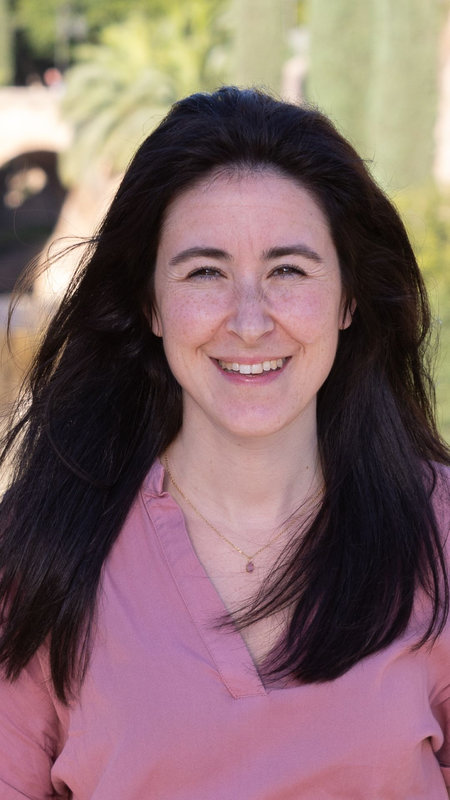
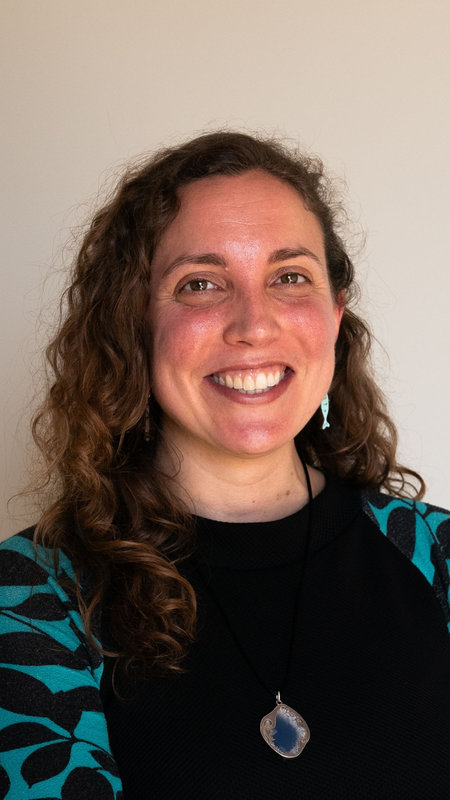
Alba Aguión

2025 Laureate

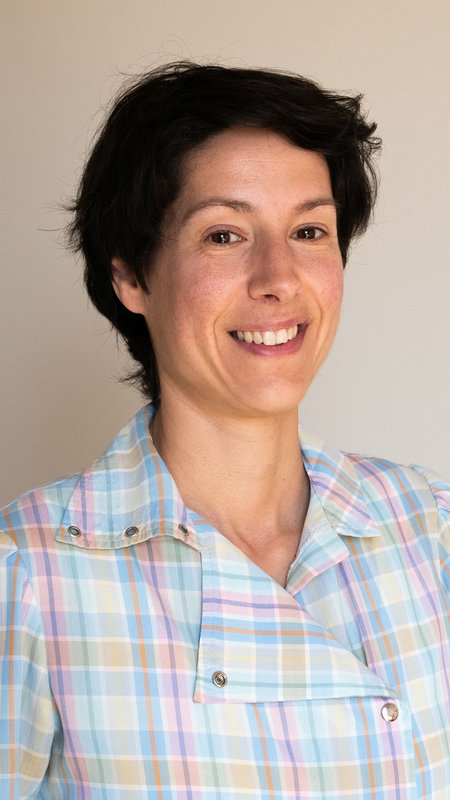
Alba Aguión will join the Institute of Environmental Science and Technology (ICTA-UAB) where she will analyse the role of local collective organisations – such as fishermen's guilds, agricultural cooperatives and irrigation communities – in building resilient food systems. Faced with the growing pressure to adopt technological solutions, Alba will explore how these organizations combine traditional knowledge and social innovation to address today's food challenges. In addition, it will work alongside agricultural and fisheries organizations to identify shared challenges and co-create action plans and policy recommendations that fit their needs.

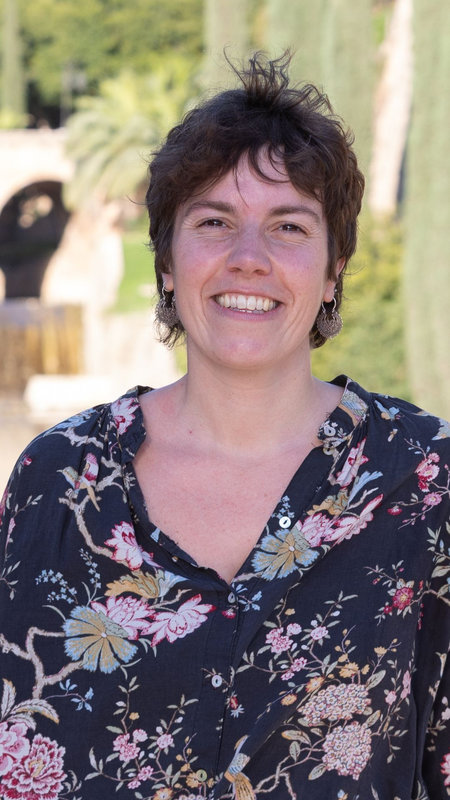
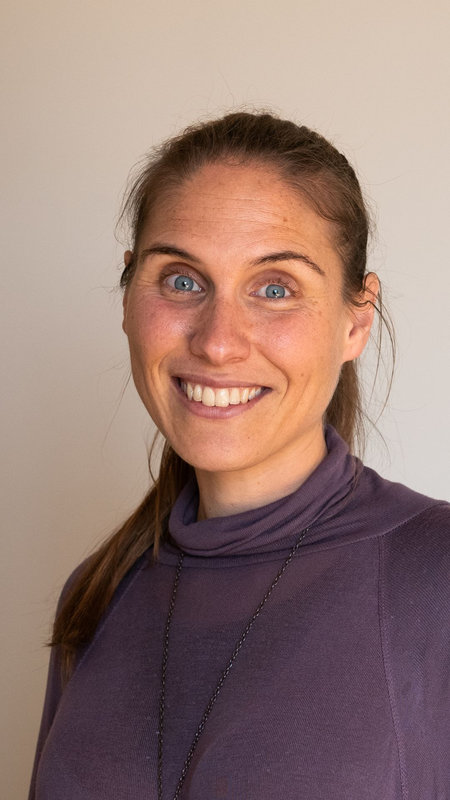
Lucía Díez

2025 Laureate

Lucía Díez will join the University of Barcelona to investigate how agroecological transformations impact, not only on the structure and physical functioning of territories, but also on the cultural, social and gender relations of the people who inhabit them. Applying interdisciplinary and participatory methodologies, Lucía will bring together two growing fields of research. On the one hand, social metabolism – which analyzes the flows of energy and materials between society and nature – and on the other it incorporates a biocultural approach – to explore the relationships between the biological and cultural aspects of people. Its objective is to understand the factors that favor or hinder the agroecological transition, integrating the knowledge of producers, to design strategies that make truly sustainable food possible.

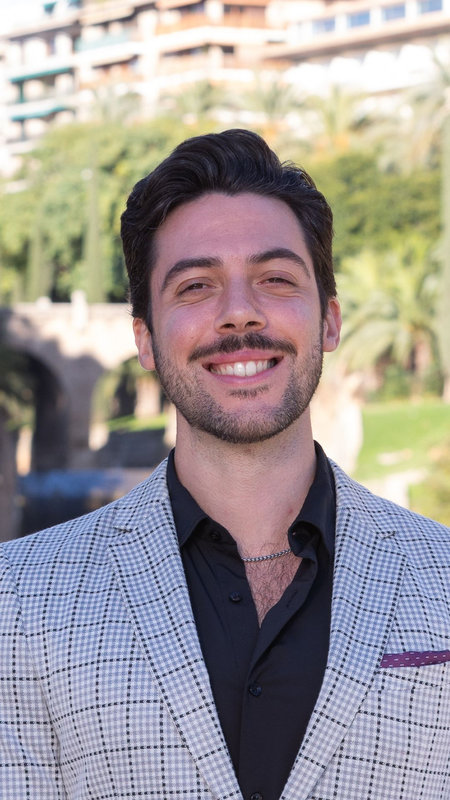
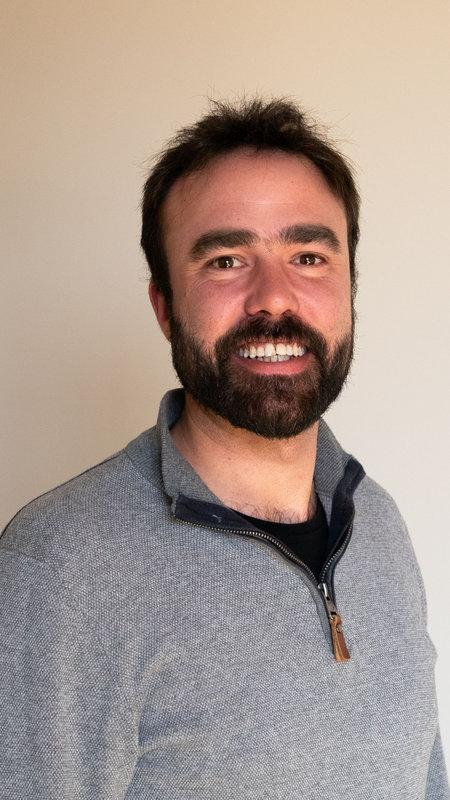
Francisco Javier Álvarez

2025 Laureate

Francisco Javier Álvarez will continue as a postdoctoral researcher at the Institute for Research, Development and Innovation in Health Biotechnology of the Miguel Hernández University of Elche. Franciso Javier is developing a process to extract bioactive compounds from rice straw, a very abundant agricultural waste – especially in the Valencian Community – that poses significant management challenges and generates a considerable environmental impact. These compounds will be used in the production of smart, biodegradable materials with antimicrobial properties for food packaging. In addition to promoting the circular economy, the project provides an additional source of income for smallholders, who receive financial compensation for waste that until now had no value for them.

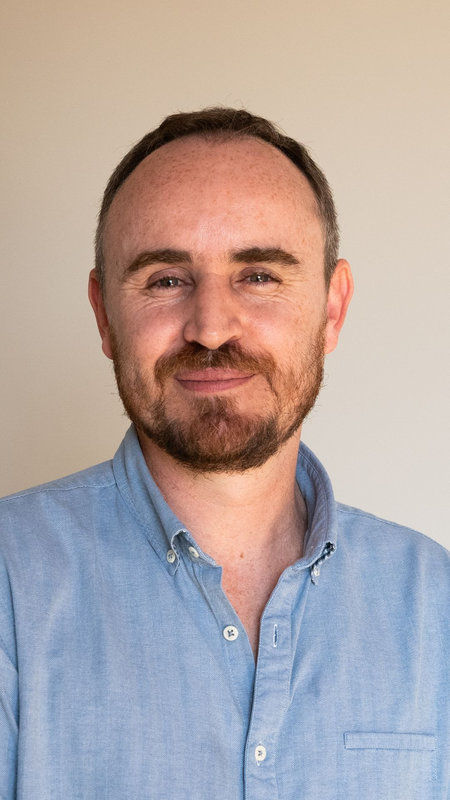
Marta Albo

2023 Laureate

Marta Albo Puigserver, an expert in marine ecology and specialized in the study of trophodynamics, assessments of the climatic vulnerability of exploited marine species and marine socio-ecological systems, develops her ReFISH-Food project at the Oceanographic Center of the Balearic Islands, which depends on the Spanish Institute of Oceanography, Spanish National Research Council (CN-IEO-CSIC).

Her project seeks to design and implement specific climate adaptation plans for small-scale fisheries in the Balearic Islands. This will allow us to understand the current vulnerability of the sector on the islands and analyse the possible adaptation measures that should be implemented to achieve a balance between the environmental, cultural and socio-economic factors of the seafood supply chain.

Ujué Fresán

2023 Laureate

During his career, Ujué Fresán Salvo has focused on the promotion of healthy and sustainable diets. Her award-winning project is carried out in the eHealth department of ISGlobal-Campus Mar in Barcelona, focusing on promoting Life Cycle Assessment (LCA) in nutrition (LCA).

Based on three pillars, his research tries to identify and evaluate three published nutritional quality indices or healthy indicators of foods; establish a methodology that integrates quality/health indicators within the nLCAs; and to validate a tool that can monitor sustainability in the diet of the Spanish population through these nLCAs. With this, Fresán Salvo could consolidate Spain's role as a leading country in this regard and would favour the development of tools to promote dietary sustainability in our country.

Adrián González

2023 Laureate

Adrián González Guzmán carries out his research in the department of agronomy of the Etsiam center of the University of Cordoba, where he completed his doctorate. With a degree in Biology and a master's degree in Environment and Natural Resources, both from the University of Santiago de Compostela, González Guzmán specialises in soil science.

Its project consists of providing crops with the necessary nutrients through the formulation of organomineral substrates inoculated from organic and inorganic waste, the reduction and capture of greenhouse gases from slurry and the improvement of soil fertility efficiency. In addition, its ultimate goal is to create formulation software to automate the process of combining residues according to crop demands, soil properties, and available filter materials.

Daniel Gaitán

2021 Laureate

Daniel Gaitán Cremaschi, continued his research career at the Autonomous University of Barcelona, where he analyzed sustainable food public procurement initiatives at the national level to provide keys on where and how to carry out the necessary modifications in public policies to achieve better results, define where there are barriers to their execution and propose long-term development in view of sustainability transitions in food systems. As a result, the publication "Transforming food systems: Responsible food procurement, actors and initiatives in Spain" can be consulted in the resources section.

Raquel Ajates

2021 Laureate

Raquel Ajates González joined the National University of Distance Education to map and analyze seed systems in Spain, from an integrated perspective, investigating their socioeconomic, sustainability and political dimensions; He also explored how seeds are governed, shared and protected to identify possibilities to maximize their contribution to biodiversity, social justice and food system sustainability.

Origin and mission of the SABE Community

Since 2021, the Daniel and Nina Carasso Foundation has been promoting the Daniel Carasso Fellowship, aimed at young researchers in sustainable food. The SABE Community was born in this context as a natural next step: it articulates this scientific capital, connects it with the territory and opens stable spaces for collaboration between universities, research centres and civil society.

Its initial core is made up of the people awarded with the Daniel Carasso Fellowship, who share a common commitment to the food transition in Spain and a systemic view. From there, the community incorporates new profiles, promotes joint projects, promotes meetings with producers, administrations and social organizations and creates concrete bridges between scientific evidence, public policies and daily changes in the way food is produced and consumed.

Suscríbete a nuestra newsletter

Recibe noticias, proyectos y convocatorias de la Fundación. Selecciona tus temas: alimentación sostenible y/o arte ciudadano.

"*" indicates required fields

Nameless
Centers of interest.