


Institutional context and scope
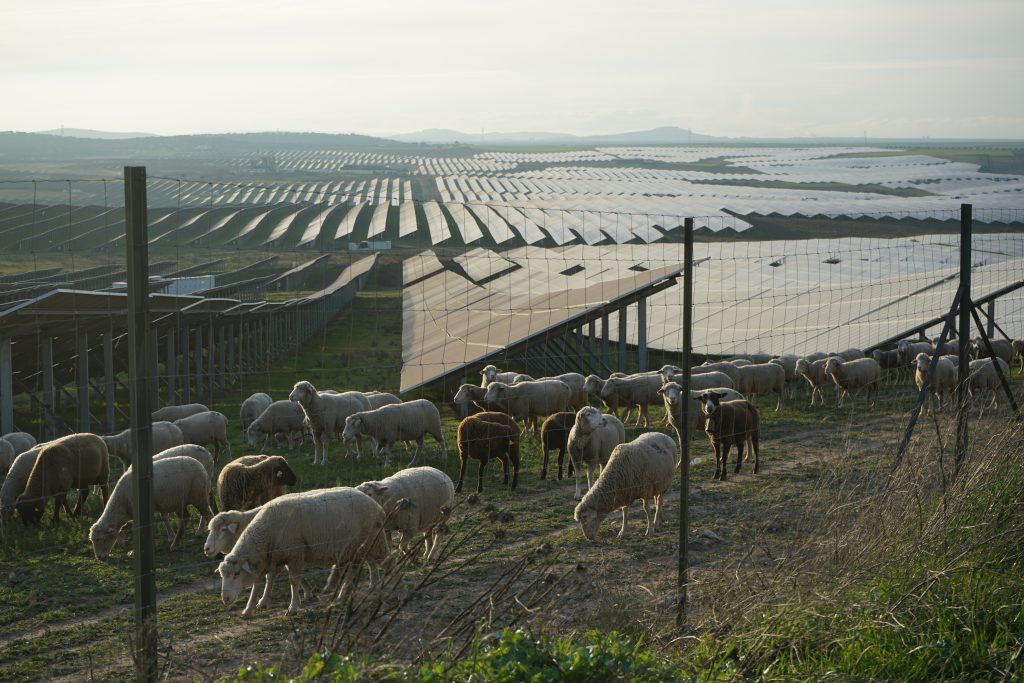
Campos de sombra belongs to the axis of Citizen Art of the Daniel and Nina Carasso Foundation, a space to support projects that connect artistic practices with critical analysis of social and ecological realities and that work with communities to generate narratives and cultural practices in specific contexts. The project is based on the observation of tensions associated with the implementation of large power plants in rural areas, where processes of depopulation, social fragility and disputes over the value of the affected territories are documented.
Entities and agents involved
The development of the project is led by the association Plataforma MAL, an entity dedicated to research and artistic creation processes aimed at confronting cultural desertification and exploring social alternatives to extractivist models. Also collaborating are La Underground Colectiva, a team specialized in cultural mediation with a focus on archaeology and community heritage; and TiTiPi (The Institute for Technology in The Public Interest), an organization linked to technological research processes with public impact. Within the framework of the activities, Florencia Rojas and Víctor Ruiz Colomer participate as artists, as well as various local groups in the vicinity of the megaplant.
Call and support
The project was selected in the Foundation’s Compose Knowledge 2025 call, an initiative designed to strengthen proposals that articulate diverse knowledge in the face of contemporary territorial challenges. In that edition, 153 applications were submitted and nine projects were chosen to receive technical accompaniment and support for up to three years. Shadow Fields is among the projects selected for its collaborative, interdisciplinary and rooted approach in local communities.
Call and support
The project was selected in the Foundation’s Compose Knowledge 2025 call, an initiative designed to strengthen proposals that articulate diverse knowledge in the face of contemporary territorial challenges. In that edition, 153 applications were submitted and nine projects were chosen to receive technical accompaniment and support for up to three years. Shadow Fields is among the projects selected for its collaborative, interdisciplinary and rooted approach in local communities.
Project development
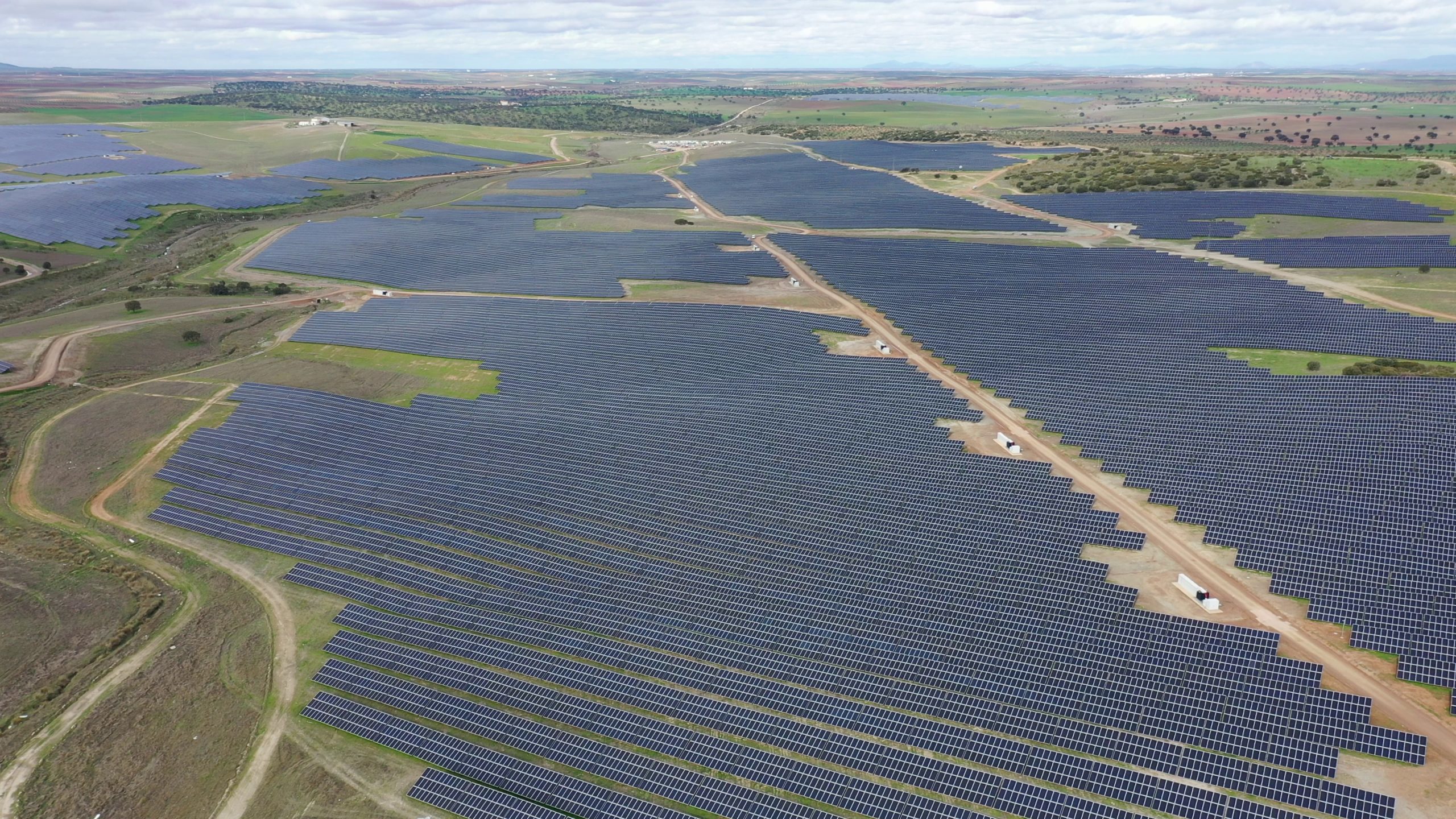
Campos de sombra takes place in 2025 in the territory of Badajoz. The project combines research and collaborative work with groups of inhabitants near the Núñez de Balboa megaplant. Its actions seek to broaden the understanding of how energy infrastructures influence cultural practices, ways of life and social organization in rural territories. The initiative takes local experience as a starting point to explore alternatives to the dominant models of energy transition and to think about the relationship between infrastructure, community and territorial justice from situated perspectives.