23 juillet 2025
3 projects will raise awareness among local decision-makers about the challenges of sustainable food


Three initiatives wereselectedfor their ability to raise awareness among territorial decision-makers of the challenges of agroecology and sustainable food systems. Supported for a total amount of €200,000, theseinitiatives are the result of a call for projects that was launched following the lessons learned from our program TETRAA, which has supported the territories in their agroecological and food transition. The winners will carry out concrete actions to make food a shared and visible subject.
Accelerating the transition: an essential democratic issue at the territorial level
Territories are on the front line of social and environmental issues: climate change, collapse of biodiversity, food insecurity, farmers’ distress, etc. The local level plays a central role in the transition to sustainable food practices, with levers of action such as land, collective catering and agricultural installation. This is why, from 2020 to 2024, we supported 9 territories as part of the TETRAA program, in partnership with AgroParisTech. This programme made it possible to understand the different transition paths and to formulate recommendations, while promoting exchange, training and co-construction with local actors. In April 2025, we therefore launched a new call for projects dedicated to raising awareness among decision-makers. It is a response to act locally in the face of the magnitude of the current democratic challenges.
Promoting agroecology and sustainable food practices to decision-makers
On a daily basis, territorial decision-makers must face the many negative impacts of our agricultural and food systems and provide solutions to their fellow citizens. However, they “suffer from a lack of knowledge about the challenges of agroecology and sustainable food, which are often subjects relegated to the background, and which in fact suffer from a lack of investment,” explains Louise Galipaud, Sustainable Food Program Manager at the Foundation. “However, food issues affect all citizens and make it possible to act on many subjects of concern: health, environment, employment and social ties,” continues Louise.
Targeted actions with an impact on the lives of residents
By strengthening the skills of decision-makers, the winning projects will contribute to making food a key issue and will promote the emergence of local actions in the service of the inhabitants.

«
The initiatives supported will raise awareness among decision-makers of the urgent need to act for a transformation of agriculture and food. They will make it possible to share concrete actions to improve the lives of the inhabitants. For example: better food in collective catering, the installation of farmers with water-saving practices, or the development of sustainable food chains in the territories.
»Louise Galipaud
Sustainable Food Program Manager
The winners have their say…
Following a rigorous selection process and the contribution of the expert view of a volunteer jury, we have selected 3 initiatives that will act in a non-partisan and complementary manner to strengthen the knowledge and capacity to act of territorial decision-makers on the challenges of the agroecological and food transition. We are convinced that their awareness-raising work will make a significant contribution to making our food systems evolve locally towards more ecology, health, equity, inclusiveness and democracy.
The 2025 winning projects
Raising awareness among the CCAS, the National Union of CCAS
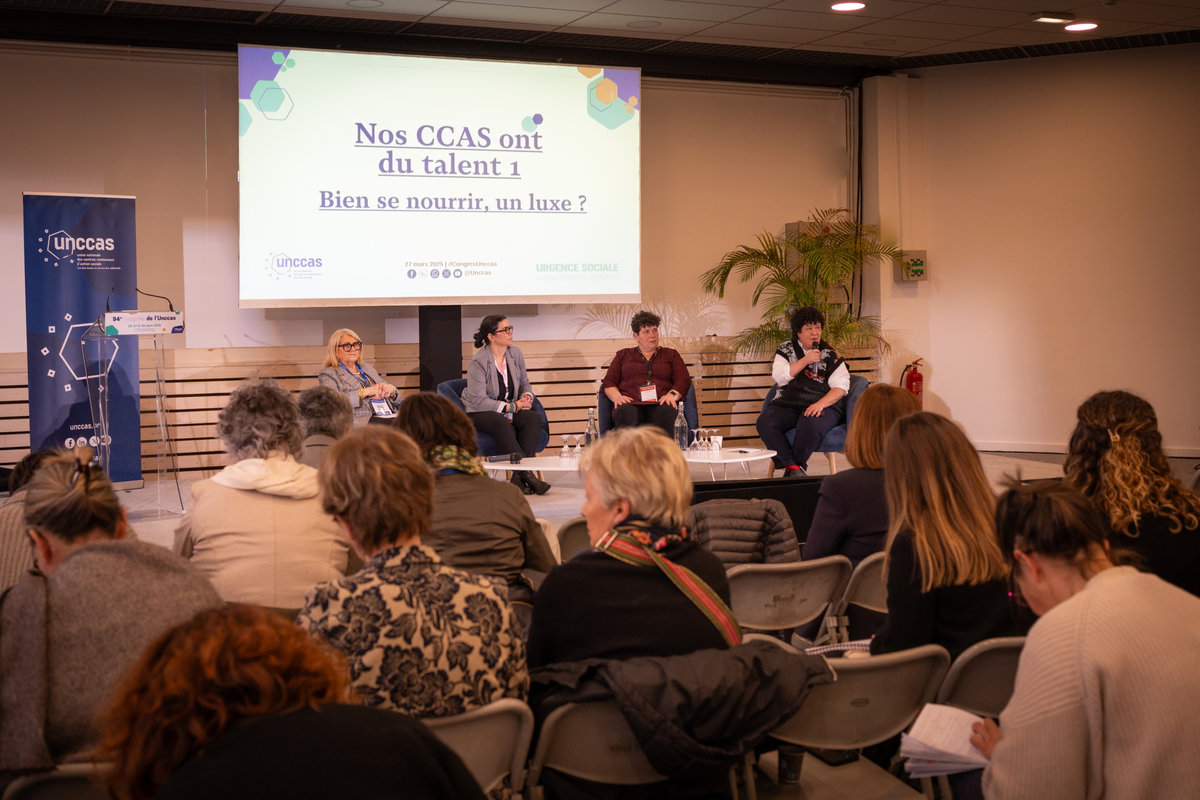
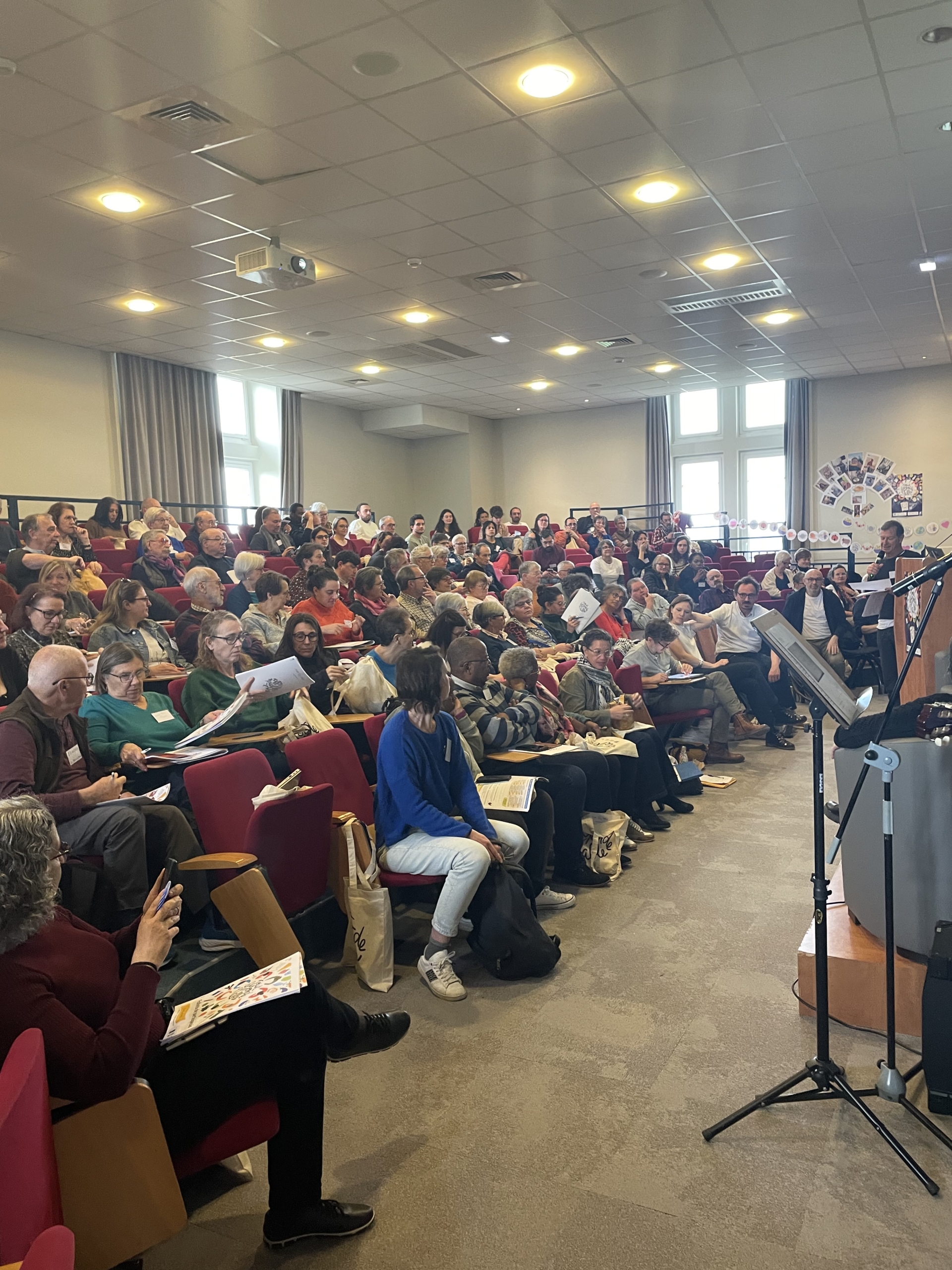
The National Union of Communal and Intercommunal Social Action Centres (UNCCAS) brings together 4300 CCAS/CIAS, in mainland France and overseas, representing 75% of the French population. Most CCAS have been involved for many years in food aid and social support for their beneficiaries, under a wide variety of intervention methods. Given the challenges surrounding access to sustainable and quality food for all, the UNCCAS has made this subject one of its 5 priorities. The association thus supports elected officials and agents in this transition with a central objective: to support the implementation of territorial projects guided by a requirement for food quality and a better consideration of environmental and public health issues. To do this, a “food” working group made up of elected officials and technicians will steer the reflections at the national level. Collective exchanges and the sharing of good practices will promote the development of links between the CCAS/CIAS and local actors to encourage the implementation of concerted projects, based on the complementarities of each. The impact of the project will benefit vulnerable groups supported by the CCAS (single-parent families, isolated people, beneficiaries of minimum social benefits, poor workers, young people, etc.).
Solutions Transitions – Agroecology, Le Lierre Association
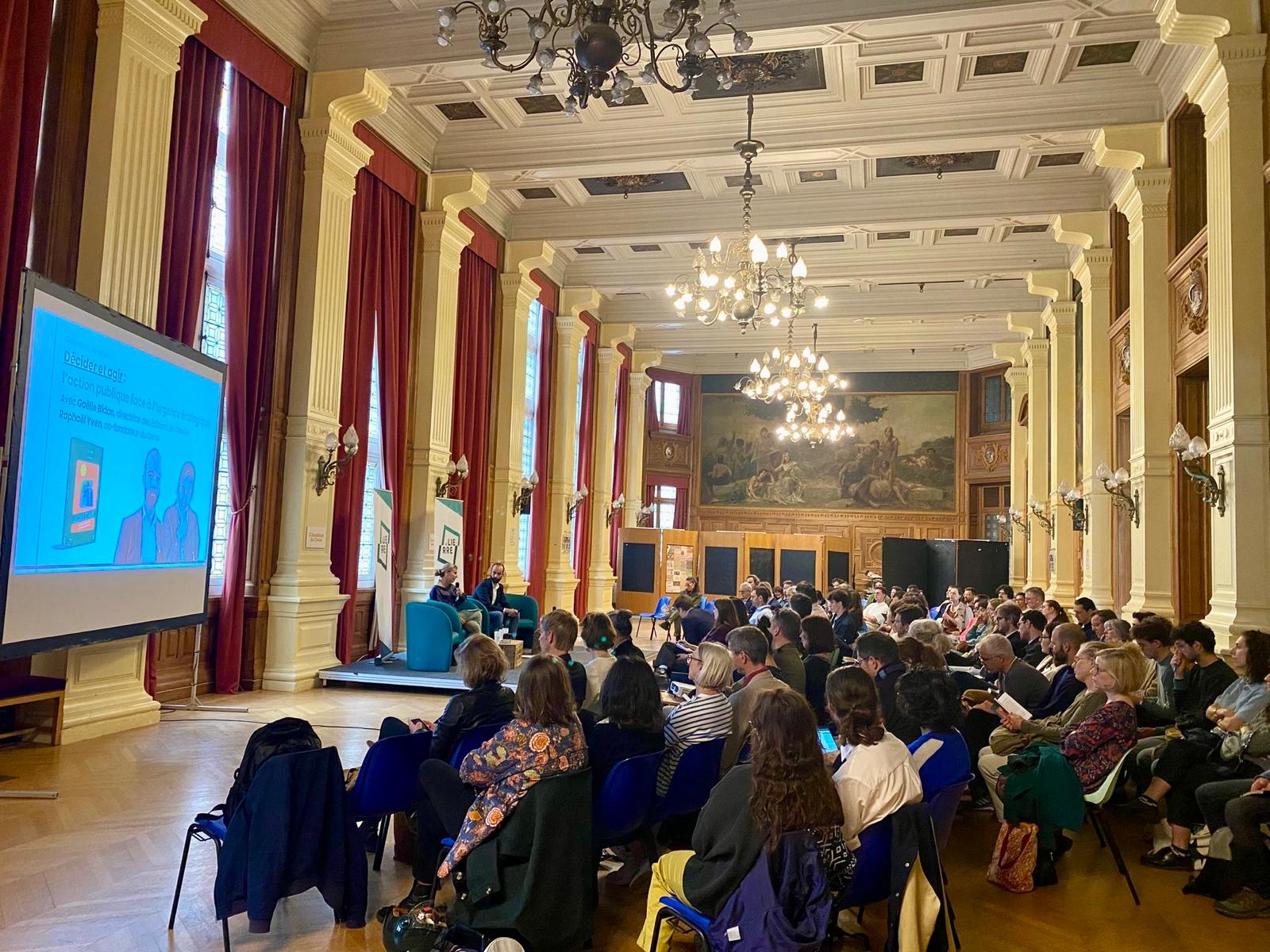
The ambition of the Solutions Transitions project is to be useful in a non-partisan way to those who act or want to commit to better implementing the ecological, agroecological and solidarity transition at the municipal and intermunicipal levels. It is supported by the association Le Lierre, which brings together civil servants, contractors, public officials, experts, consultants, and public policy actors. With the aim of overcoming divisions, the project will be deployed primarily in small and medium-sized towns that have less engineering, but also in rural areas. It will take the form of a toolbox in the form of operational sheets that will be found on a dedicated website, and a series of events (conferences, thematic days, round tables). Cooperation with key partners (public operators, think-tanks, NGOs, associations of territorial decision-makers, etc.) will allow complementarity in terms of expertise and dissemination to strengthen the “understand-steer-act” triptych that guides this project.
Local Right to Food Alliances
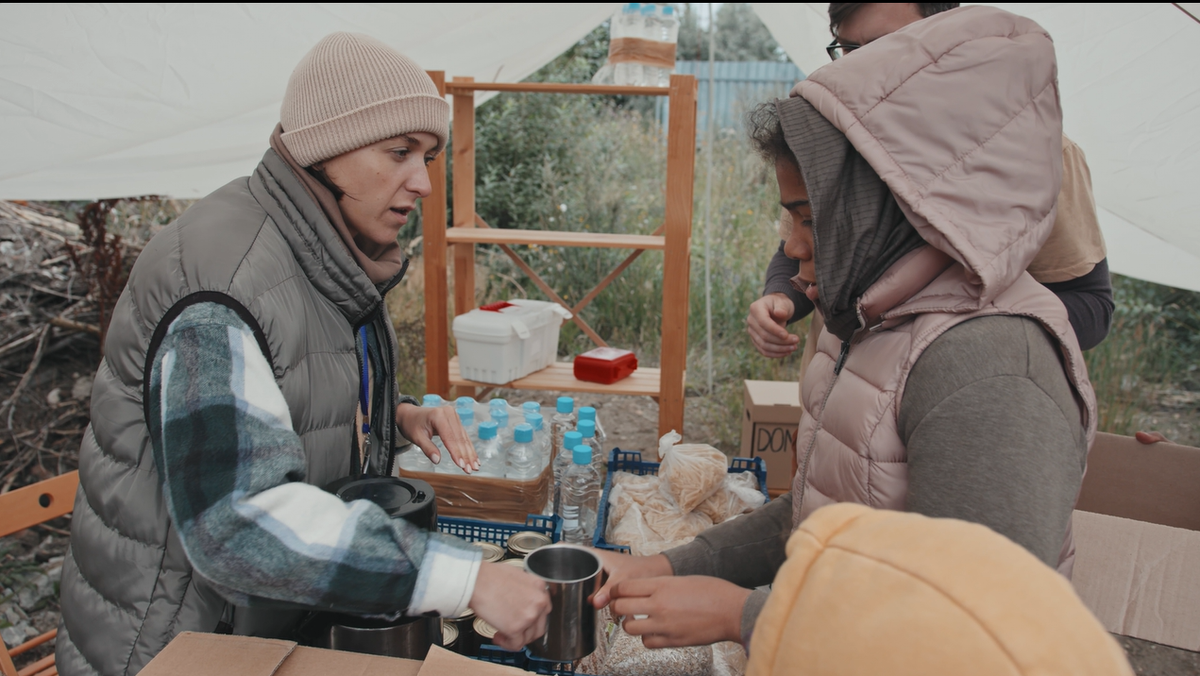
For several years, Secours Catholique, the Civam Network, Vrac, Action Against Hunger, Ugess, Altaa, and Solidarité Paysans have been working together at the local level to promote dignified access to sustainable food. On the strength of these experiences, this consortium aims to strengthen mobilization throughout mainland France and overseas around the issues of agricultural and food insecurity, health, biodiversity, etc. Among the actions planned: coordination to raise awareness among decision-makers at the local and national levels, the pooling of tools for mobilization from farm to fork, the organization of public debates, meetings and events in order to challenge and encourage commitment. The alliance is based on a foundation that is both scientific and rooted in the experiences of the people concerned.
And what’s next?
In addition to the financing and monitoring of supported projects, we will be keen to promote and disseminate our actions so that other local initiatives can build on these learnings and thus contribute to developing the awareness of local decision-makers on the challenges of sustainable food throughout France.
Photo credits: UNCCAS: MAUCLAIRE PRODUCTION (Amiens), Estelle Poulalion (Congress), Le Lierre: Fanny Babalone, Local Alliances for the Right to Food