2 octobre 2019
Composing knowledge, projects selected in 2019


Launched for the first time in 2015, the call for projects “Composing knowledge to better understand the challenges of the contemporary world” aims to support transdisciplinary and collaborative knowledge production. The Daniel and Nina Carasso Foundation is convinced that in order to meet the challenges of our current society, it is necessary to create spaces for the hybridization of knowledge between science and humanities, the arts and society.
For this4th edition in 2019, the Foundation received 163 candidate projects. 11 of these projects were selected, at the end of the Jury which met on July 4, 2019.
We are now delighted to announce the members of the Composer les savoirs jury, as well as the selected projects.
Members of the Compose les savoirs 2019 jury
- Gérard Azoulay: Founder of the Observatoire de l’Espace, an arts-sciences laboratory of the CNES, responsible for the editorial staff of the artistic magazine Espace(s) and curator of exhibitions.
- Laurent Barré: Head of the research department of the National Dance Centre.
- Jean-Marc Chomaz: Director of research at the CNRS, Professor at the École Polytechnique. Head of the “Arts & Sciences” Chair for the Ecole Polytechnique.
- Stavros Katsanevas: Astrophysicist, director of the European Gravitational Observatory (Pisa).
- Marie-Stéphane Maradeix: General Delegate of the Daniel and Nina Carasso Foundation.
- Catherine Rannou: Artist and architect.
- María Inés Rodriguez: Curator.
- Julie Sauret: Communication, Production and Mediation Officer of the “Arts & Sciences” Chair
Selected projects:
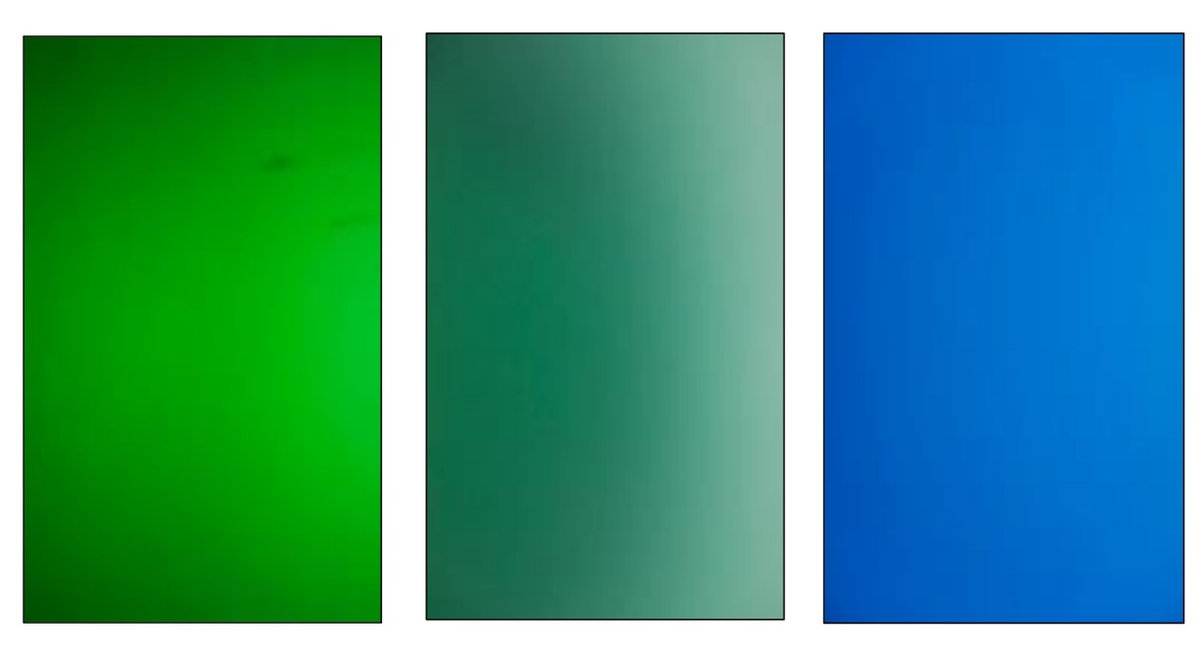
- Artconnexion – The Colour of Water: The project is a continuation of the Workers of the Sea programme, bringing together scientists and artists at the Wimereux Marine Station. Hubert Loisel (researcher) and Nicolas Floc’h (artist) have begun work on the colour of water to understand and characterise, on a large scale, the biological variations of the environment. The colour of water is largely determined by phytoplankton, the first link in the food chain at the base of life, by sediments, dissolved organic and inorganic matter and detrital matter. In art, colour is, along with shapes, what has made it possible over time to represent the world in a sensitive and fine way. It is one of the essential subjects in the study of artistic and pictorial practices. Colour is significant, has a high power of representation, abstraction and plays a major role in the arts and in society. The project therefore proposes to start from this double entry and this dialogue that takes place between a researcher and an artist working on the color of the ocean. Scientifically, the project will compare radiometric measurements with photos, in natural and polarized light throughout the water column, in different regions of the world. Artistically, it will be a new representation of the ocean and the living things that make it up. From a citizen’s point of view, it will give a better understanding of the relationship that each human has with the ocean, water, living things, its origins and environmental changes.
- Emmetrop – UrsuLaB Association : UrsuLaB is an artistic laboratory project dedicated to biomedia, located on the cultural wasteland l’Antre Peaux in Bourges. It brings together two associations, Emmetrop and Bandits-Mages, and the Ecole Nationale Supérieure d’Arts de Bourges. At the regional level, a collaboration with the biotech company GENIALIS has been initiated with a residency program. At the national level, an agreement is planned with the LaDHyX laboratory – Ecole Polytechnique. It is part of three European networks: European Media Arts Platform, Bio-Friction led by Hangar (ES) and Ungreen by RIXC (LV). The project responds to the urgent need to set up new tools for research and knowledge sharing as close as possible to the territories thanks to a renewed alliance of arts and sciences. Its ambition is to become a prospective space for transdisciplinary creation, producing worlds in gestation. UrsuLaB will be an arts-science-fiction and environment laboratory whose architecture, functioning, co-participatory mediation and tools will be developed to allow it to be open to the public. This laboratory provides for research and creation residencies, some of which will take place in companies, debates, workshops, workshops on speculative storytelling, and public presentations.
- Association Manifesta 13 Marseille – Archives Invisibles: Manifesta is a multidisciplinary European nomadic biennial. In 2020, Manifesta 13 Traits d’Union-s will be held for the first time in France, in Marseille. Its objective is to initiate new links between cultural institutions, associations and the citizens of Marseille. Archives Invisibles is a multidisciplinary citizen artistic project for the promotion and transmission of a common heritage, unknown to the general public and not represented by institutions. This public programme of archive presentations and regular meetings (guided tours, workshops, forums, screenings) aims to shed new light on the history of the territory. Through 8 actors/associations involved in the field in different working-class neighborhoods of the city, “Invisible Archives” highlights a civil society that acts to make Marseille a living city capable of imagining other models of social organizations, common narratives, citizen initiatives. In the form of a series of 7 exhibitions accompanied by screenings, meetings, conferences and publications, the project brings together artists, researchers and other personalities from civil society around these archive bearers to shed light on and share a fascinating and little-known history of Marseille, centered on different citizen resistance movements.
- PiNG Association – Common Laboratory: PiNG, a Nantes-based association founded in 2004, questions the digital world in which we live. Inspired by social laboratories, participatory science and 15 years of exploration, PiNG wishes to take a new step in the way it explores its subjects: to develop a “common laboratory” that will make it possible to associate citizens/researchers/artists with equal involvement in its explorations and to link doing, thinking and feeling in a collective approach of research-creation. Initially, the joint laboratory will be prototyped by drawing inspiration from existing experiments, questioning its content and form via a working group and testing animation formats. Then, PiNG will deploy the joint lab as imagined in its new location. She will rely on this work to create a common lab outside the walls during the Tous Terriens festival, at the Grand T. This project will be documented and shared as it happens.
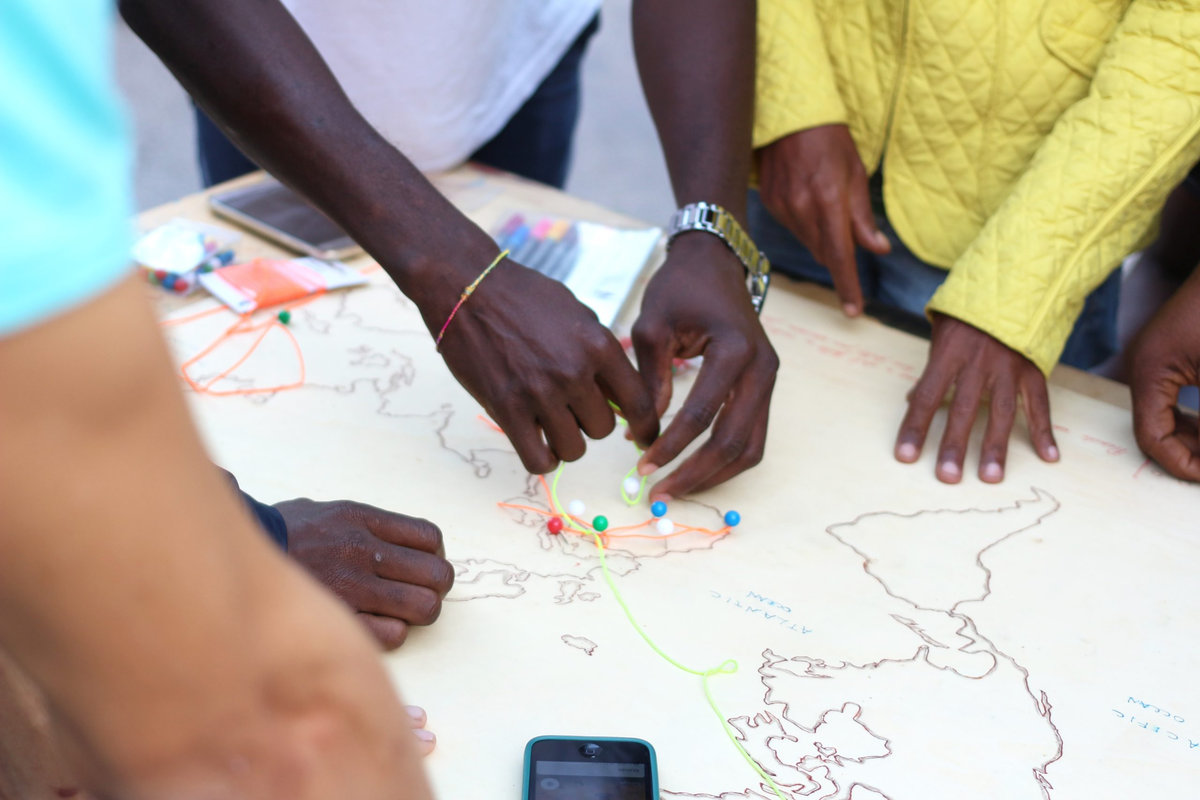
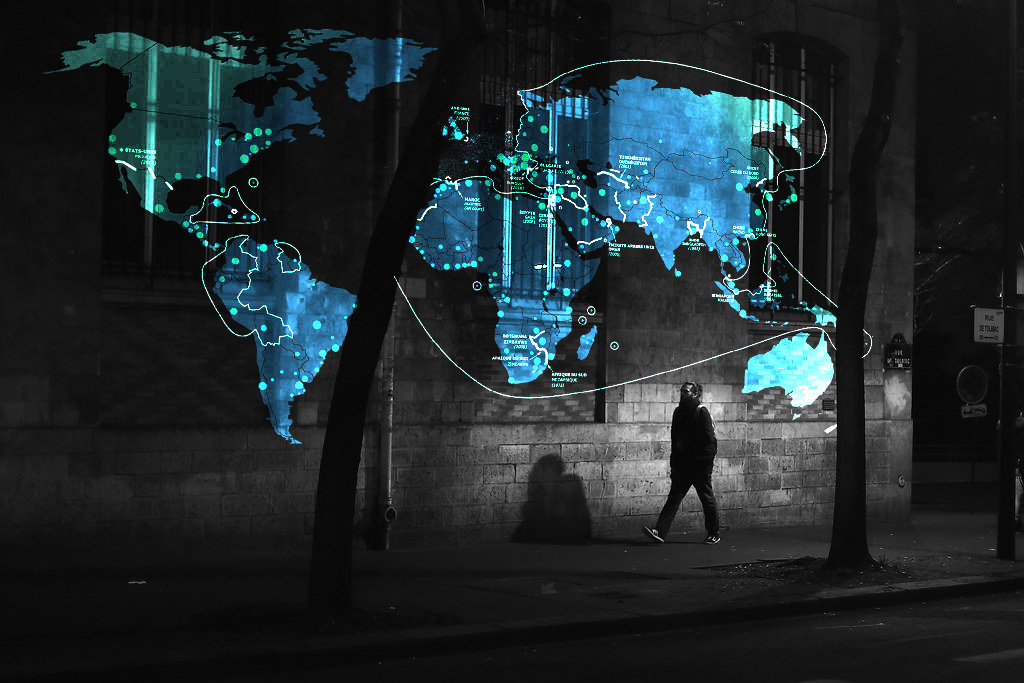
- Collectif Etrange Miroir – Cinéma Atlas: CINÉMA ATLAS brings together researchers and artists around the creation of a show inviting cartography in the heart of the public space. The collective was asked in 2015 by the Migreurop network – an international network of NGOs, activists and researchers working on migrant detention, the externalisation of EU immigration policies and borders – to stage maps published in their Atlas published by Armand Colin. A true scientific and artistic experiment, this collaboration gave birth to the interactive exhibition Moving Beyong Borders, programmed 13 times and which reached about 15000 people. CINEMA ATLAS perpetuates this experience of cross-fertilization between science, art and society around cartography, by extending the collaboration with the geographer Olivier Clochard, director of the CNRS/Migrinter laboratory and member of the Migreurop network. But this new project opens up to other scientific disciplines and aims at a more ambitious restitution. This collaboration should make it possible to produce living maps (graphic, animated and sound) that will be broadcast on the walls of cities, in public spaces. A system destined to become an innovative tool offered to the actors of a territory (cities, associations, festivals) to challenge its inhabitants.
- Ecole Supérieure d’Art Annecy Alpes – Les Ambassadrices: With “Les Ambassadrices”, ESAAA and its partner the Centre de la Photographie Genève (CPG) wish to produce and disseminate works invented since an ambitious work on the “Collapse of the Alps” (EdA). Indeed, the Alps are collapsing, literally, since the cliffs at altitude are collapsing at an increasingly rapid rate, as the ice that solidified them melts. But more broadly, as this territory is a “hot spot” of climate change, its brutal modification points to all the upheavals linked to the end of our thermo-industrial and carbon-based era. So, within the EdA collective, residents, scientists and artists combine their skills to contribute to the emergence of new imaginaries, new methods, forms and ideas. The Ambassadors are works that carry the word and represent a research activity. It is a question of taking and sharing far from the mountains the story of an accelerated change under the impact of global warming. By extension, the “Les Ambassadrices” project refers to the production and distribution of these itinerant works. It uses the technical, methodological, artistic and scientific resources that ESAAA and CPG have gathered to work on the “collapse of the Alps” in terms of production and dissemination. The entire system allows the Ambassadors to be present in several international events, at the same time as they are radically anchored in their territory.
- University of Strasbourg Foundation – Supplementary Elements: The “Supplementary Elements” are the photos and images that are appended to the scientific reports. The project aims to highlight the central role of scientific research and its impact on society through new perception tools (microscopy, ultra-fast camera, Lidar, holography, photonics, digital sensors, etc.). The objective of this project is to make people understand the relationship between science and photography, between physical sciences and image production. Combining scientific and artistic production, Supplementary Elements envisions scientific and artistic exploration as two parts of a whole. Joint experiments between artists and researchers, “open science” creations, participatory works questioning citizens’ points of view, workshops and teaching, knowledge transmission programs… All the meetings of the project will allow the expression of different voices/paths. In this project, it will be a question of questioning the nature, the message of the images and their durability, in contrast to a simple renewal of the technique.
- Institut des Hautes Etudes de la Justice – Linking Worlds through Practices (Art and International Justice): The IHEJ conducts a reflection on justice with professionals and researchers. The project aims to introduce, within the International Criminal Court (ICC) in The Hague, fact-gathering and fact-processing practices from the social sciences, art, poetry and graphic design, in order to help judges better understand materials about which they have no contextual information (according to the common law legal tradition which invites judges to be “virgins” of any contextual knowledge to preserve their objectivity). To this end, visual and textual devices are installed within the ICC, but also circulate to affected communities in the form of kits, and to researchers, in digital form. Connecting these different communities, all concerned by the crimes tried at the ICC, but isolated from each other, would allow a better circulation of knowledge, and would make the ICC a body that produces knowledge and culture.
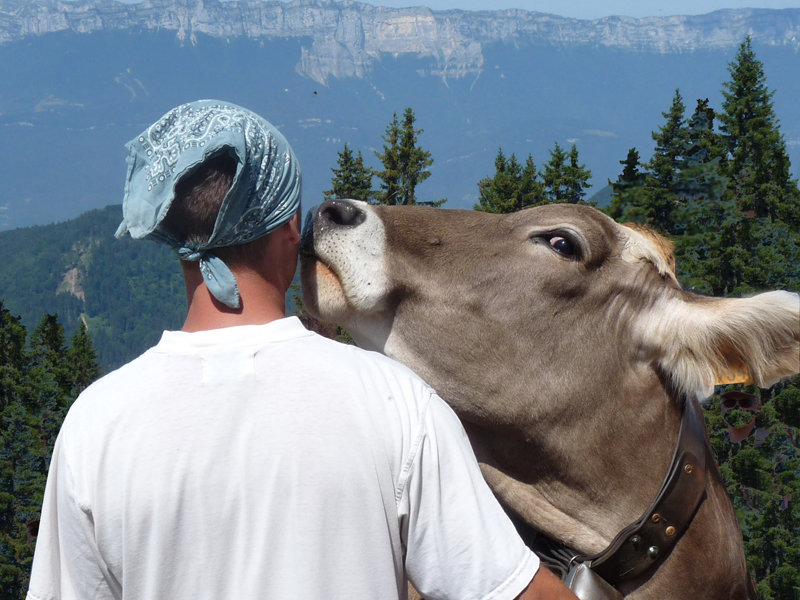
- The Laboratory – Animal-Landscape: We are witnessing the collapse of animal populations, from large mammals to insects. This topicality of ecosystems is approached socially through a number of biases – indifference, doubts about the reality of the process, the utilitarian approach to ecosystem services, the anthropocentric perception of the environment, the fabrication of wildlife, new food dogmas, etc. that it seems important to deconstruct and recompose. Animals participate in the stability of human societies through their work, through their affection, through their perceptions irreducible to ours. Welcoming animals into our lives is necessary for the humanization of humanity. The objective, given the urgency of the disappearance of animal biodiversity (and therefore of plants, the two being inseparable), is to document and experiment with new spatio-temporal relationships with animals that do not only bend to human interests and projects. The aim is to experiment with new ways of cohabiting with animals that are comfortable, for them as well as for humans, in order to take the measure of the role played by animals in our general ecosystem (human and plant). To carry out this reflection, a cycle of meetings, artist residencies, artistic performances and exhibitions of produced works will be organized for a year and a half.
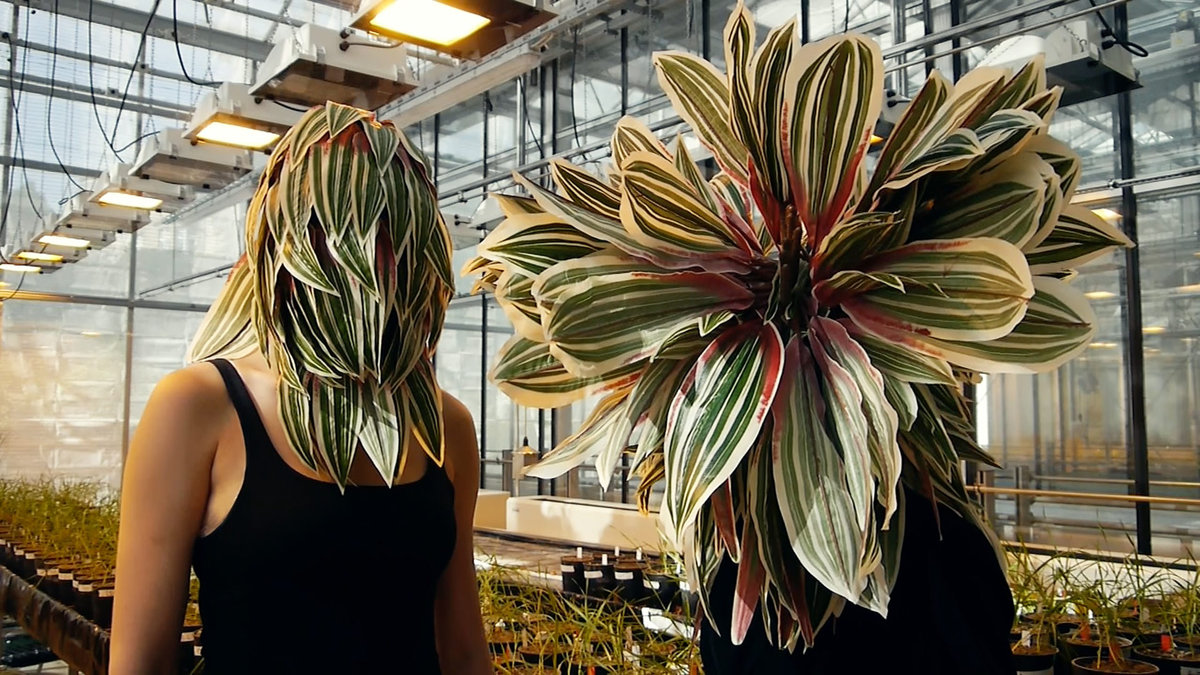
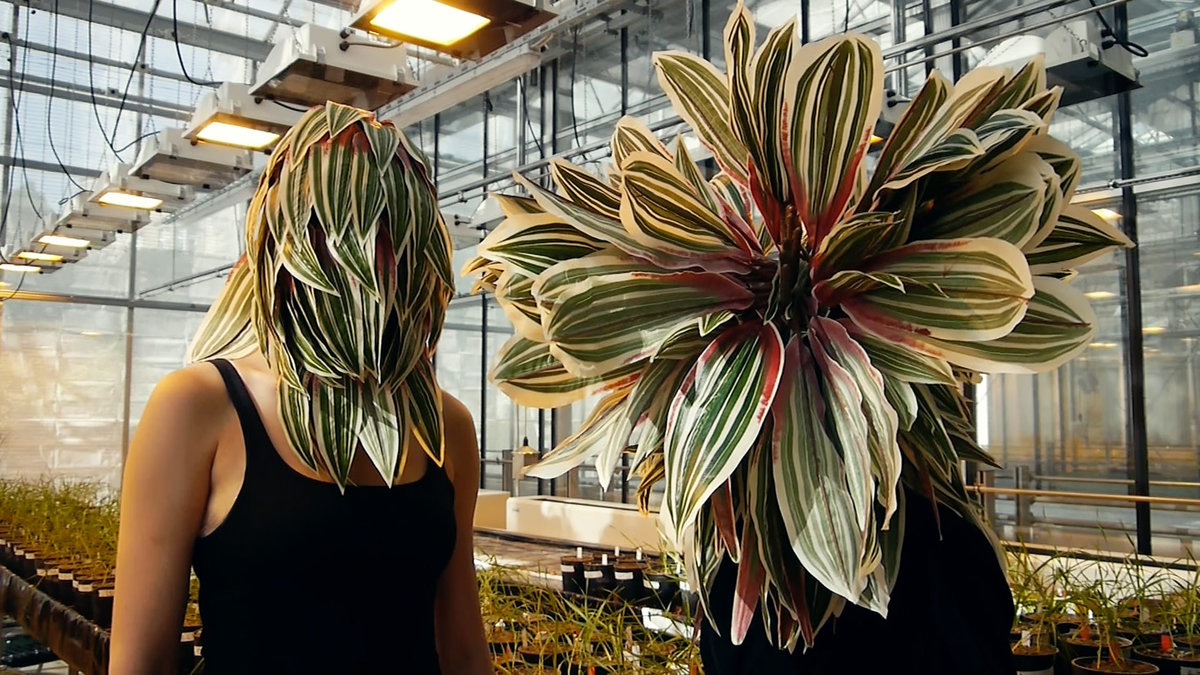
- Le Studio Décalé – Vertimus: Led by Studio Décalé, an independent association specialising in arts and science, the project is imagined by the visual artist Karine Bonneval, in partnership with researchers (French and foreign) specialising in plants. This project calls on a wide range of knowledge and know-how: scientific knowledge with the involvement of INRA; artistic techniques with the visual artist Karine Bonneval, the performer Emilie Pouzet, the composer Emmanuel Hubaut, the curator Natacha Seignolles; philosophical theories brought by the philosopher of ethics Karen Houle. The project aims to give citizens new keys to interpreting living things in order to develop empathy with the plant world that surrounds us and thus understand our environment with a new perspective. The artistic installations will be accompanied by workshops for all audiences in which bodily practices will be experimented but also workshops of discovery and artistic practice inspired by scientific protocols. These actions question the paradoxical relationship between humans and the plant world.
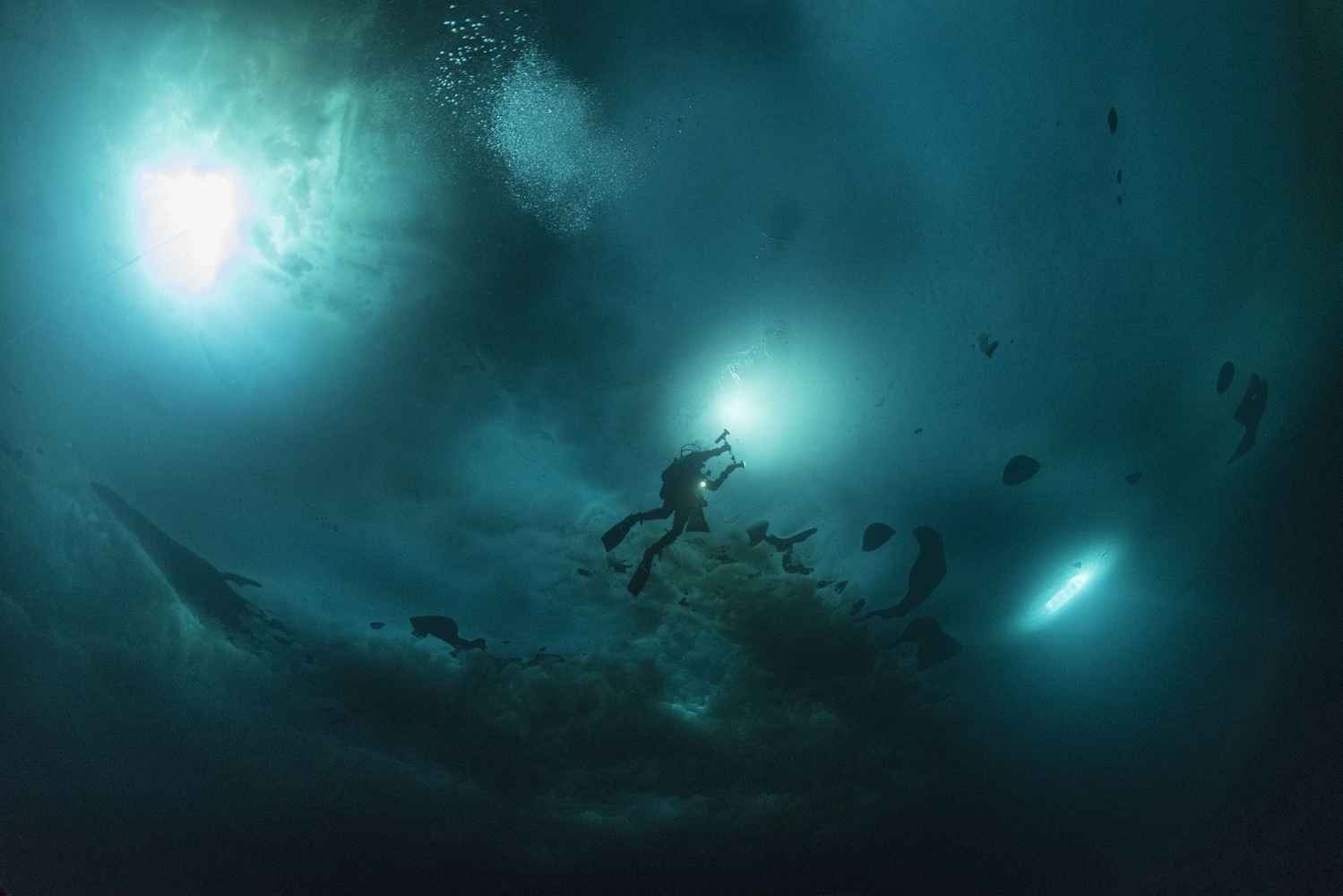
- La Carène – SONARS: The underwater world is definitely not a world of silence… and what we hear there has much to tell. For science first, from the friction of antennae used for communication between crustaceans, to the engines of boats covering several kilometres, not to mention the screeching of icebergs or the sound of flowing water – evidence of regular melting – research is looking at this component of marine ecosystems that is sometimes forgotten in marine ecology. These underwater soundscapes also challenge the artists. In 2018, La Carène, the contemporary music venue of Brest metropolis, started a long-term residency between artists and researchers (in the laboratory, in the field, in schools, in contemporary music venues, etc.), in close partnership with the Franco-Quebec laboratory BeBEST. Alongside many partners, this structure called on the talents of three musical artists – Maxime Dangles, François Joncour (Poing) and Vincent Malassis. They appropriate these sounds and immerse themselves in often new sound environments, which they transcribe in their audiovisual creations. This approach was innovative, as the work between artists and researchers was done over time. At the heart of the project is an urgent ecological issue that must be made accessible to all, through innovative mediation and actions carried out with various populations (school residencies, mediation actions in neighbourhoods, concerts, performances, conferences, etc.).