Socially engaged art
15 septembre 2025
The laureates of “Composing knowledge to imagine a sustainable future 2025”


We went to meet 3 of the winning projects of our call “Composing knowledge to imagine a sustainable future 2025“. The excerpts from our exchanges highlight their commitment and the plurality of their actions, at the crossroads of the arts and sciences, to compose and create a dialogue between knowledge around the theme of water.
How can we address the issue of water, show, understand and transmit the multiplicity of its pathways and its conservation issues in the territories? From French Guiana to Nouvelle Aquitaine and the Alpes Maritimes, it is this essential civic commitment that the artists and scientists of the 10 projects selected for this 7th edition of our call for projects “Composing knowledge” will carry out. These projects were selected by the Foundation for their uniqueness and impact from among more than 300 applications. In a context where water governance is crucial, their actions will contribute to (re)composing knowledge to raise awareness, mobilize, poetize and move towards a just and sustainable ecological transition.
Three winning projects, between French Guiana, the Alpes Maritimes and Nouvelle-Aquitaine, tell their stories…
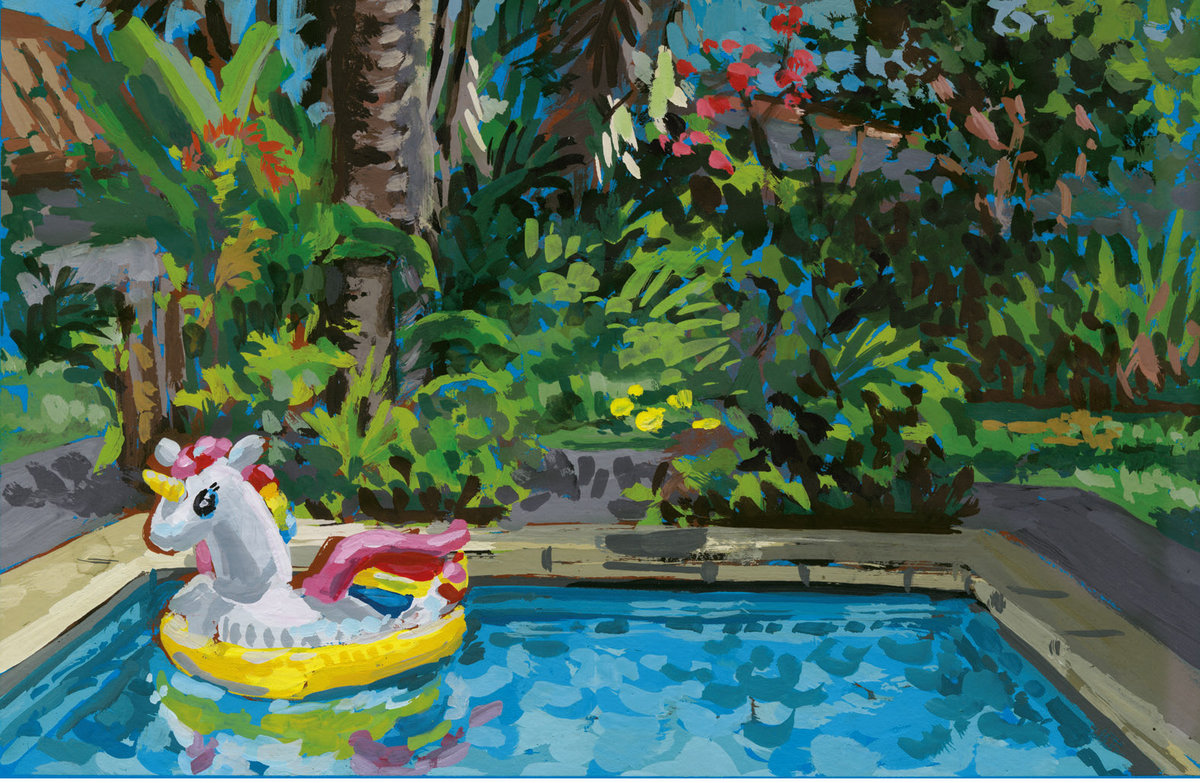
Delphine Zigoni - Garden with Montjoly remire
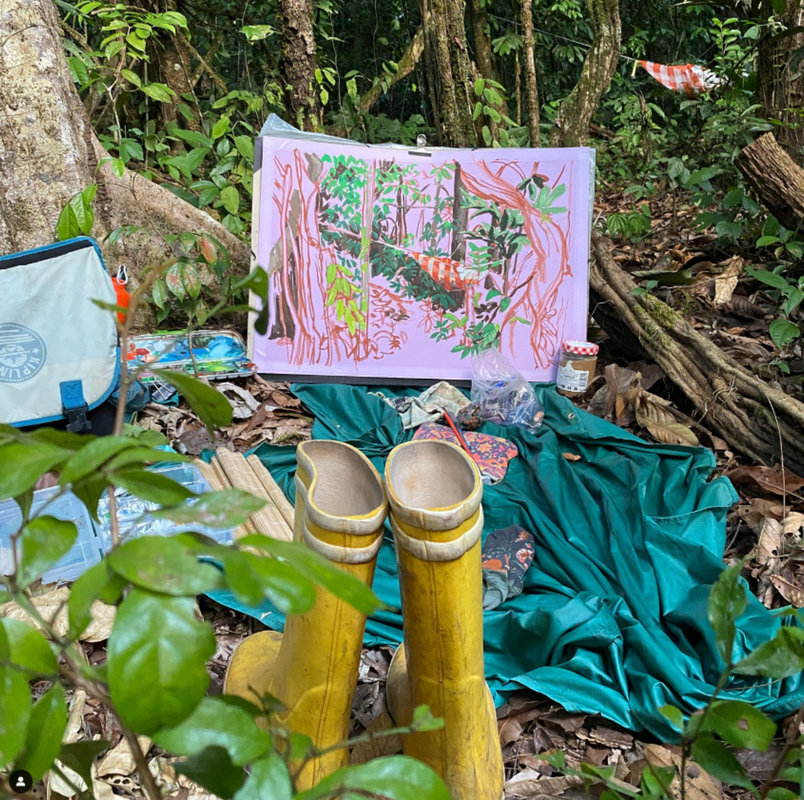
Delphine Zigoni - In Situ Drawing
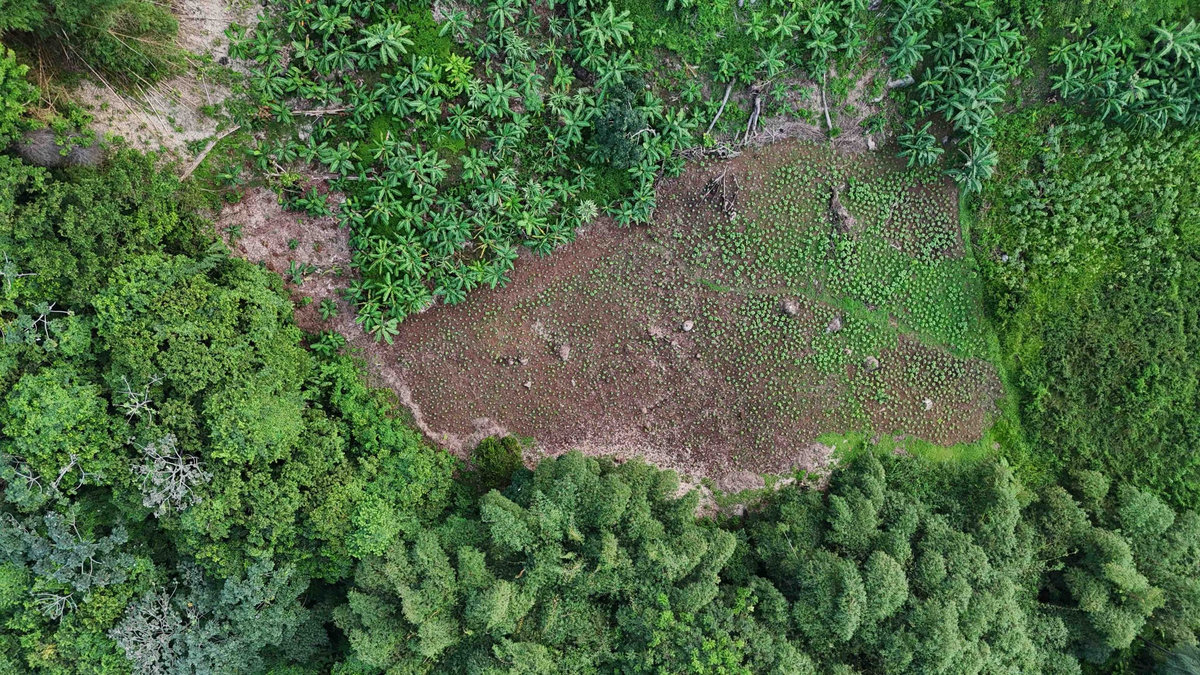
Aerial view of Remire Montjoly - Lua Gomez
GRAOU project – Atlas of invisible ecologies
Interview with Cyril Costes, architect/draughtsman in Cayenne, Project Manager for the Atlas of Invisible Ecologies.
Your project in a few words?
Atlas of Invisible Ecologies, these are intersecting residences that bring together residents, researchers and designers in the gardens of Cayenne. The objective is to highlight vernacular knowledge and then bring it back to decision-makers.
Why are you particularly interested in gardens?
In French Guiana, the alternation between very wet and very dry seasons is normal, but climate change accentuates these imbalances: rainfall is becoming more intense, droughts more pronounced. Our survey in the gardens will allow us to see how the inhabitants adapt to these variations and to bring out solutions to be shared on a wider scale.
There are many types of gardens in French Guiana: ornamental, food, medicinal, but also ingenious water management devices. (…) At the end of this research, we will probably also find that there is much more food production in the gardens of Cayenne than we imagine. Many food gardens remain invisible, especially the giblets, the mobile gardens that provide essential food production.
What is your ambition with drawing?
This project combines research and drawing. Our association’s ambition is to show that drawing, done by hand and in the field, can produce knowledge. It enables dialogue across languages. In a territory where French is not always shared, it becomes a universal language: a way of looking differently, of taking time, and of creating an encounter. (…) Water is an elusive, ever-changing element. Being out in the field, drawing, is a way of better grasping its concrete effects: what rain transforms, what it brings out, and how residents adapt to it.
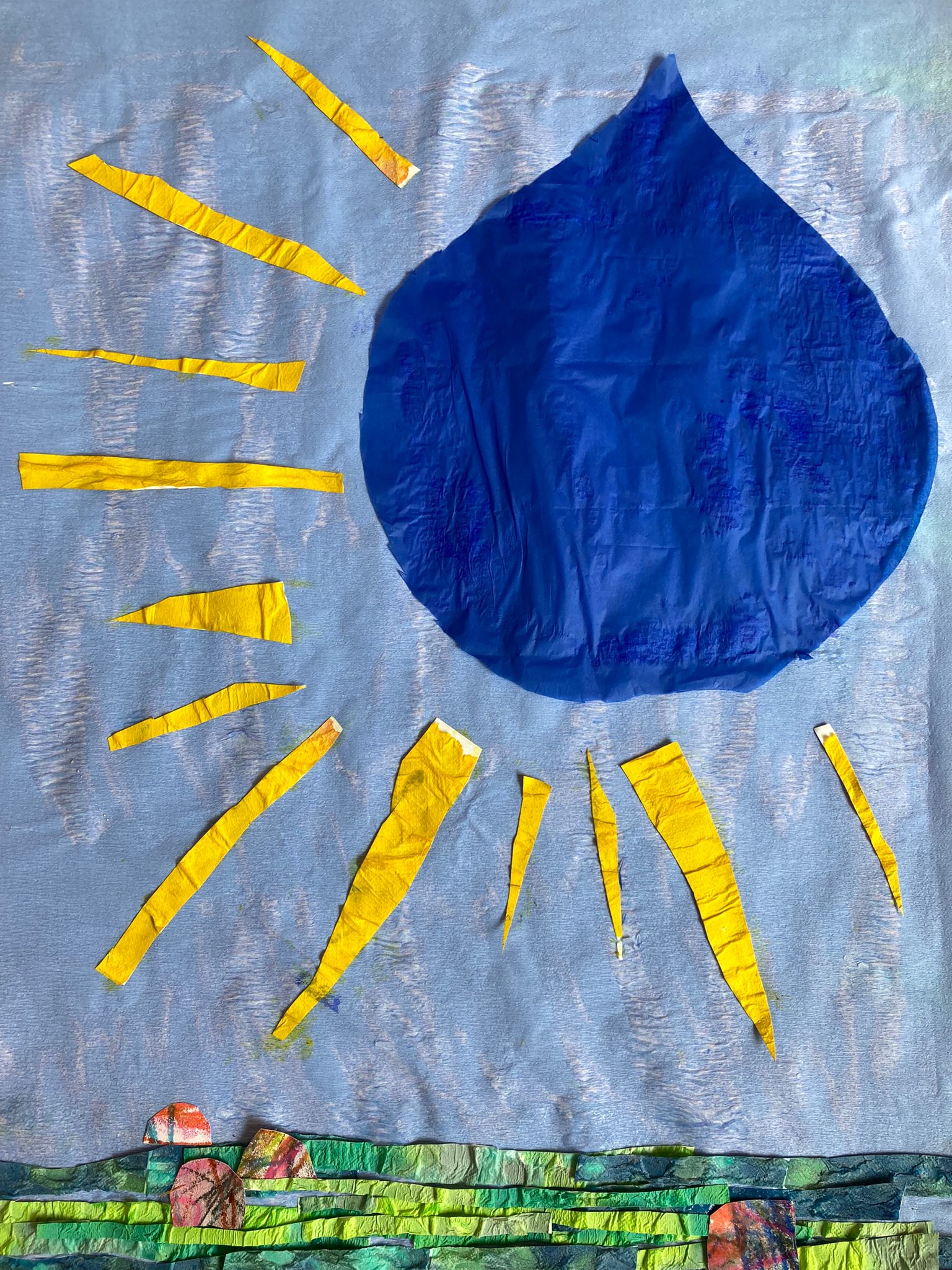
Kamishibai - rural workshop
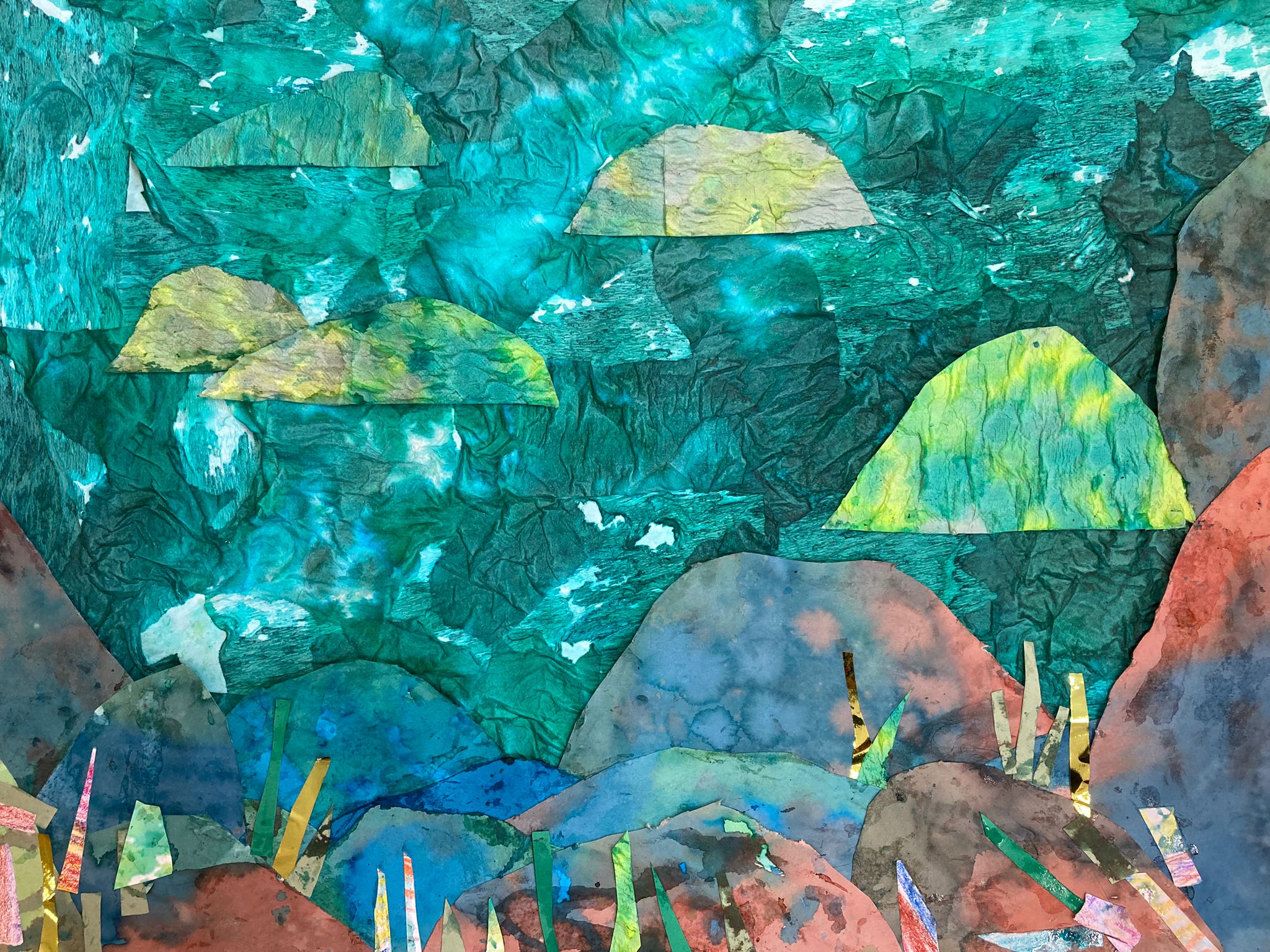
Kamishibai - tale about water
Drawing a watercourse
Roya Open Sources project – rural workshop in Roya
Interview with Morgane Ganault – Project manager and coordinator of Roya Open Sources, Atelier Rural en Roya.
Your project in a few words?
Roya Open Sources is a play on words that was inspired by this idea of open access knowledge. Our goal is to make knowledge that is both academic and field accessible to as many people as possible, to groups that are not necessarily connected. We want to create a bridge between the academic world that comes to study springs, with a hydrogeological reading of a given space, and a knowledge of the territory that is transmitted orally by people who have lived in this space for generations. We create a dialogue between popular knowledge and academic knowledge through an artistic intervention.
How do you compose the knowledge with this project?
The Roya is a river that is really a river in a braid, and that’s a bit like how we were composed too. We find it important to vary the arts and media because we all have different sensibilities (storytelling, photography, video…). Weaving is also interdisciplinary with the scientific world. The artists study the work of the scientists in the field and we make it a substrate for creation or popularization and conversely, some scientists will go with the artists and observe their practice in creation or in the studios.
What actions have been taken and to be taken?
Among the actions we’ve already undertaken, we’ve been working with schoolchildren for the past year on sensitive cartography of waterways, with pupils from nursery school to CM2. We’ve also initiated a writing workshop to produce a comic strip on the subject of river mouths, presented at the UNOC with the Jules Romain secondary school, the Mamac and ARTPORT_makingwaves. We are working with a photographer on landscapes. We brought in a fountain-maker to pass on his knowledge of the village’s springs and create new imaginary worlds with the children on this basis.
Among the actions that will be carried out, we are working on a landslide linked to infiltration in a village, the village of Saorge. We have hydrogeologists who are studying, an illustrator and a journalist who have followed them and who have also helped to forge links with the inhabitants. This gave rise to a recording and plates that will be presented to the inhabitants during a round table that will be held in the coming months.
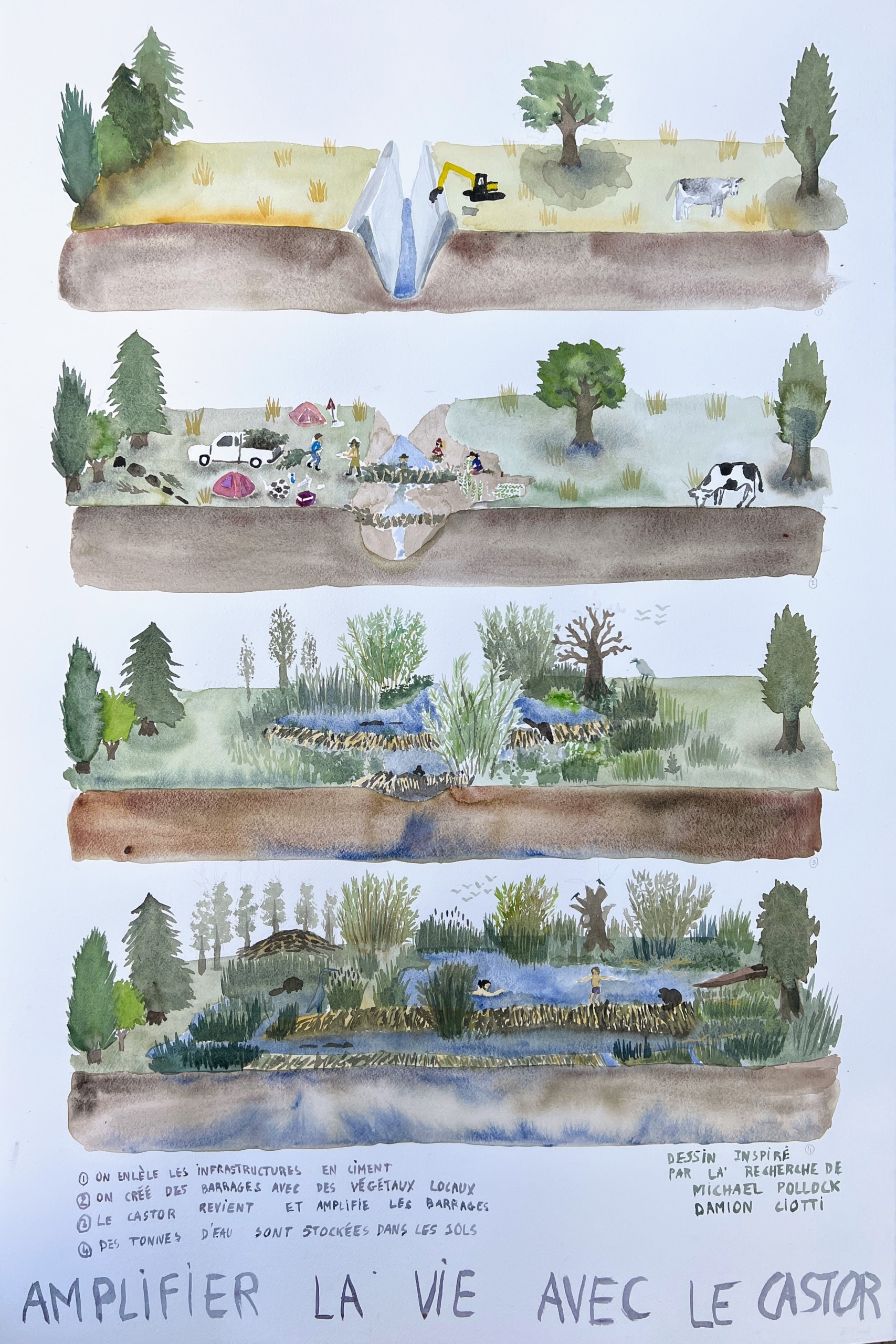
The Lessons of the Swamp People, 2022 © Suzanne Husky - Collection Frac Poitou-Charentes
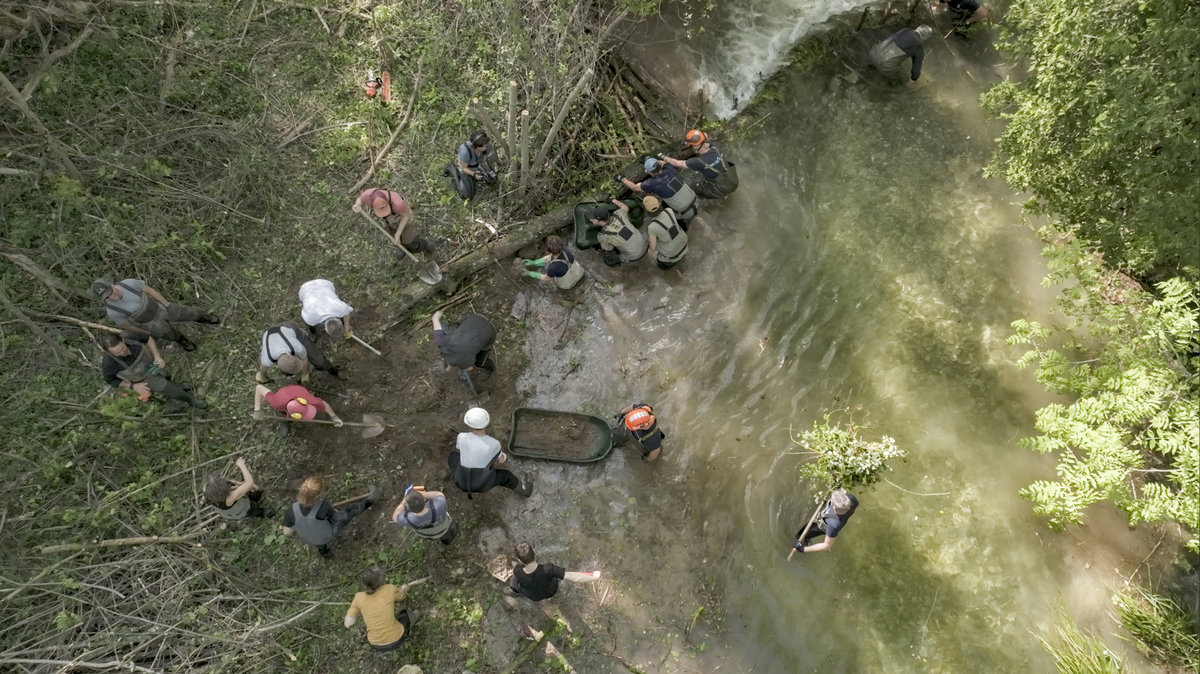
Médecine Castor photographie © Marie Amiguet
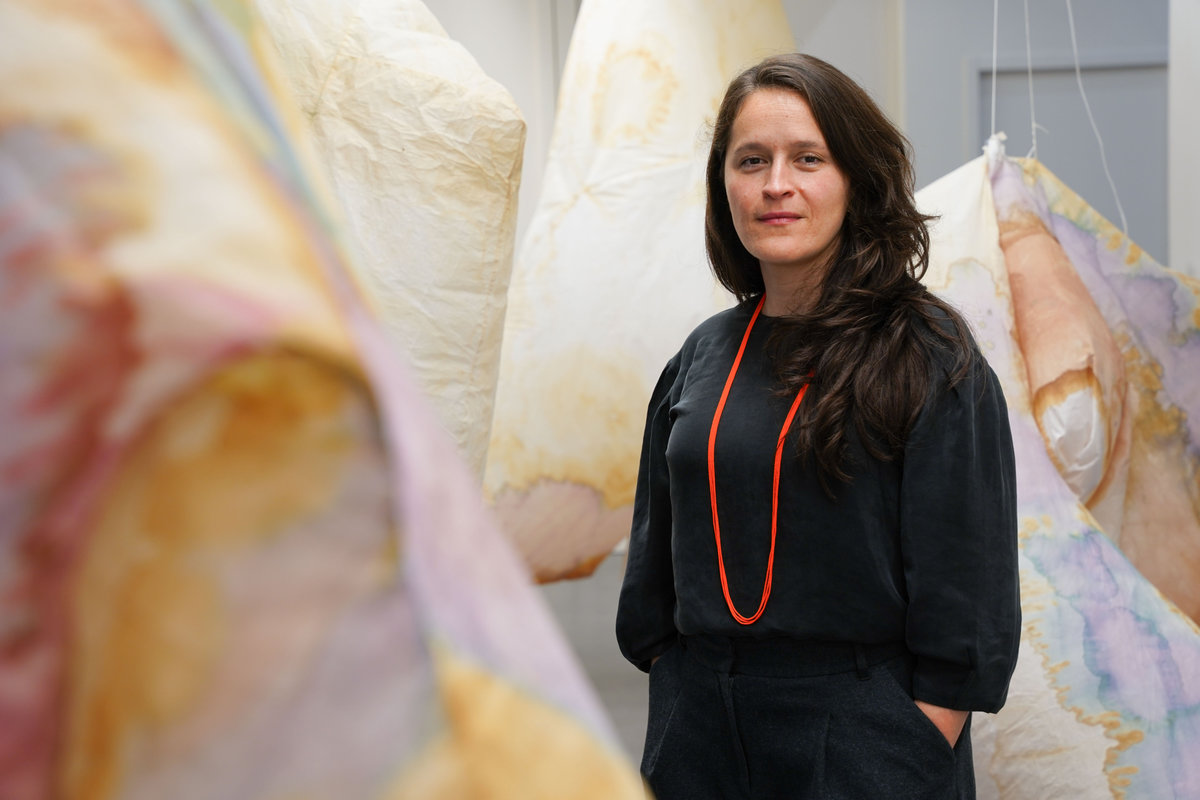
Irene Aristizábal © Barbara Fecchio
Beaver Medicine Project – For inter-species alliances in the face of climate chaos
Your project in a few words?
Médecine Castor is a hybrid project involving both exhibitions and river-based activities. Spread over the Nouvelle Aquitaine region, it is multi-faceted, involving artistic and scientific actions with a direct impact on the environment. Our challenge is to raise awareness among a wide range of people of the relationship between rivers and water in our landscapes, and the role of beavers.
The Frac supports this project because we want to create a link between the artistic component and socio-political and ecological issues in the territories. The Frac is a catalyst for synergies and supports the development of conversations between different contexts. This is our extended mission of dissemination.” Irene Aristizábal, Director of the Frac Poitou Charentes
Why put water at the centre?
Water is a central societal issue at the regional and global levels. It is urgent to understand its role in our existence and that of the world. This is a political priority for the Nouvelle Aquitaine region and a guideline of our current work at the FRAC around ecological issues. Everyone has a connection to water. Irene Aristizábal, Director of the Frac Poitou Charentes
And the role of beavers?
What is beautiful about this project is that beyond an animal, the beaver, working on its action and its existence alongside us allows us to address issues as diverse as soil restoration, the return of biodiversity, the interdependence of species and therefore a reflection on the living. Oriane Zugmeyer, Head of the Dissemination and Audiences Department.
What does the Foundation’s support for projects bring in concrete terms?
Drawing is a slow process. The Foundation’s support gives us the time we need to dialogue, exchange and share knowledge. It also brings a precious legitimacy to our approach: to recognize drawing as a real tool for the production of knowledge. (…) This experience will allow us to make our research method even more robust. Cyril Costes, architect/draughtsman in Cayenne, Project Manager for the Atlas of Invisible Ecologies.
The Foundation’s support has made it possible to launch a collective dynamic around a common goal. This created a commitment of 10 professional artists who took their time, who used their skills and who decided to put it in a common pot to answer this call. A first movement of artists was created who are committed to acting on water, their stories and the imagination. The other point is also to develop, include and really anchor scientific knowledge in the territory. And the third point is to value an entire population that is often despised or that we do not go to consult even though it knows its territory very well and has a lot to say. Morgane Ganault – Project manager and coordinator of Roya Open Sources, Atelier Rural en Roya
The Foundation’s support is essential for the realization of the project on this scale. It will allow us to work in depth on this artistic-scientific link, between the realization of actions on specific sites, the production of works and mediation actions. (…) We will be able to strengthen our civic art commitment and work on new forms, while experimenting in a network, at a level that will have even more visibility. Irene Aristizábal, Director of Frac Poitou Charentes, Castor Medicine project