17 décembre 2020
Mediation and cultural democracy: 14 projects selected in the Hauts-de-France region


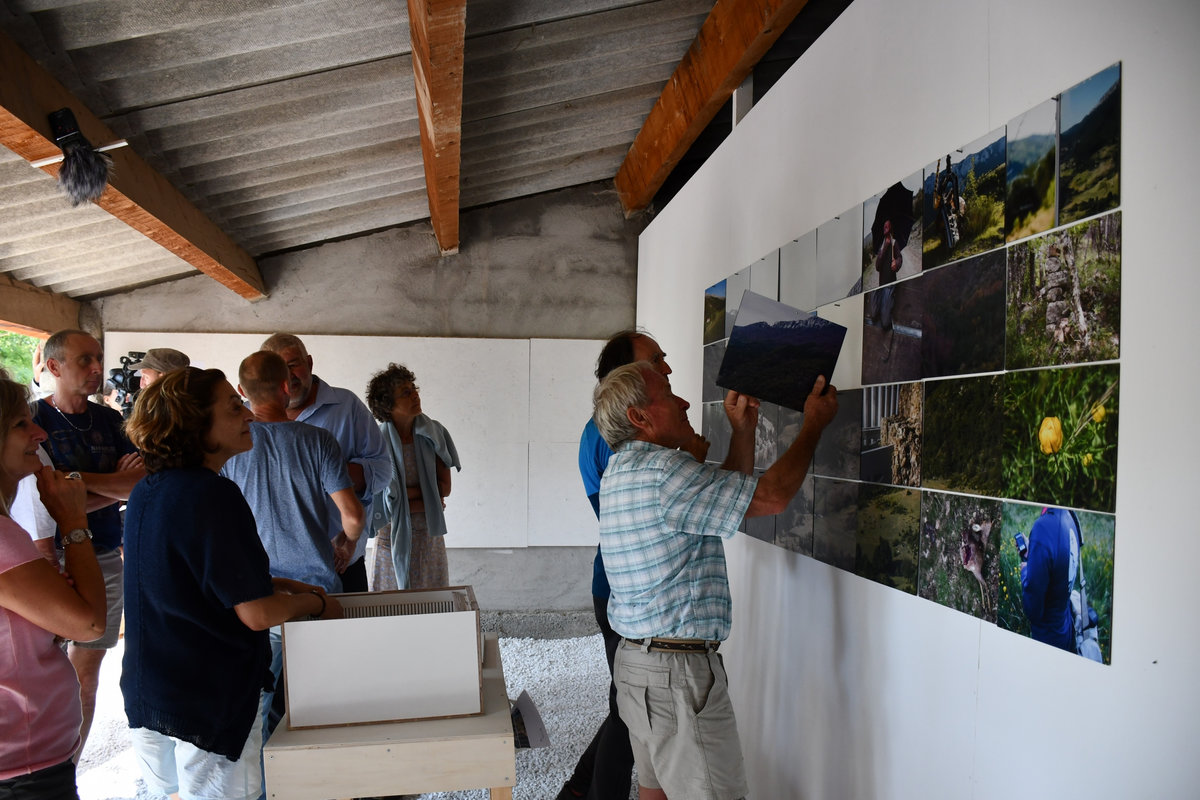
The 14 projects selected, co-constructed and on a local scale, reinforce our conviction that art and culture are the driving force behind encounters and experimentation. These allow everyone to reclaim their living space and enrich it, to cultivate imagination and dreams. These citizen dynamics are meaningful and transformative in a region marked by great disparities but rich in its youth and vitality. 5 of them are supported in incubation: to be continued!
Rethinking the role of citizens in culture
With this new call for projects, we wanted to contribute to the emergence and development of artistic projects that create the conditions for real citizen participation, from their inception and throughout their implementation.
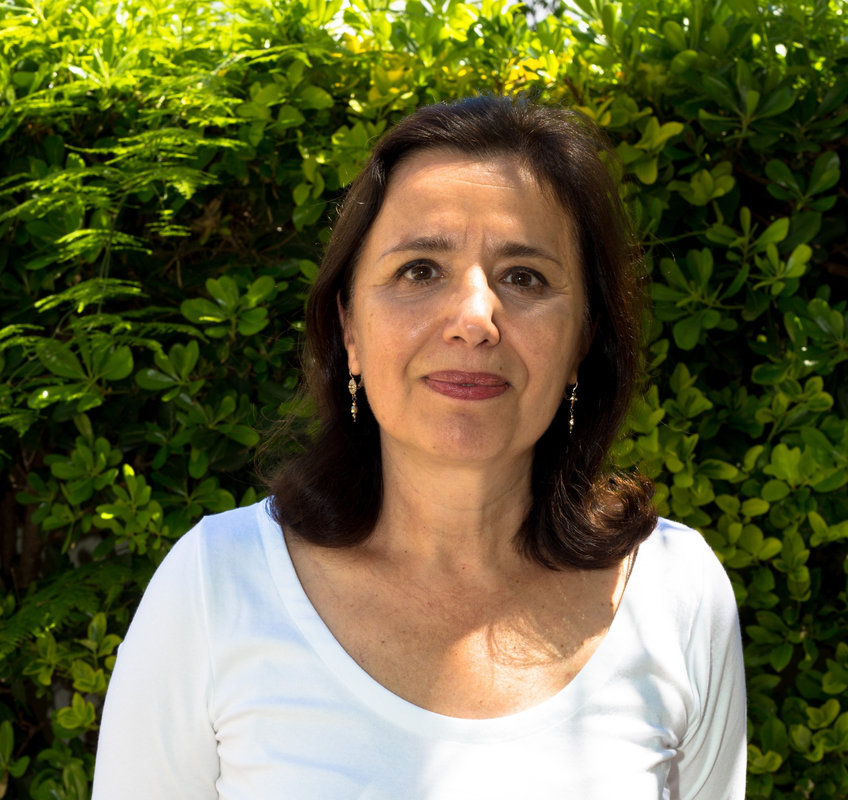
This initiative was born from the observation that the cultural policies carried out in recent decades have aimed to make the cultural offer accessible to as many people as possible but have led to a rather passive role for the citizen, mainly that of spectator. How can we go beyond the unique model of cultural offer by welcoming aspirations, cultural heritages and practices, latent but very real expectations of populations and thus offer artists the possibility of “making work” in direct connection with this infinite human richness? This is what we wanted to explore in this call for projects, explains Anastassia Makridou-Bretonneau, Head of the Citizen Art axis at the Foundation.
We believe it is necessary to reconsider the role of citizens in the appropriation but also in the transformation of their culture, whether heritage or contemporary. This notion of cultural democracy recognizes the coexistence and equal dignity of a plurality of cultures, the interest in bringing them together, as well as the possible diversity of places of culture. It considers each person as the bearer of a cultural identity and, as such, as a true cultural actor.
Revitalising vulnerable territories
For the first edition of this call for projects, the Foundation has chosen to focus its action in the Hauts-de-France, a region marked by the youth of its population and the great diversity of its territories: dynamic and attractive urban concentrations but also rural areas and post-industrial living areas in decline.
Faced with the complexity of the challenges to be met, artistic and cultural projects resulting from cooperation between actors from different backgrounds – artistic and cultural, social, economic, environmental – and civil society seem to us to be rich in meaning and effective tools for vitalisation.
Through this geographical approach, we wish to strengthen our support and the connection between the leaders of the supported projects. In addition, this concentration on part of the national territory will allow us to carry out an evaluation of the call for projects, as close as possible to the realities on the ground.
The 2020 winners
For this first edition, we received and carefully examined 129 projects. The jury – composed of artists, researchers, representatives of associations and foundations, national and regional public institutions – selected 14 of them.
Initiated by residents’ associations, representatives of economic life, social workers, educators or elected officials in connection with artists and cultural professionals… These artistic and cultural projects are the result of alliances and synergies. In this respect, they seem to be levers for strengthening exchanges and social ties, for revitalizing life in these territories weakened by socio-economic difficulties.
Although each project is part of a particular geographical, social, economic context… We can distinguish two major issues: what role can the inhabitants of working-class neighbourhoods undergoing urban renewal play? How can we rediscover the pleasure of a collective life in rural areas in decline? Faced with these questions, the applications we have received bear witness to a proliferation of ideas and the mobilization of both public authorities and associative networks that put art at the heart of the proposed responses, emphasizes Anastassia Makridou-Bretonneau. We have chosen projects whose actions are articulated not only in coherence with their context but also in resonance with a shared perception of needs.
Five of these projects are funded for specific support during an incubation period of 6 to 8 months. At the end of this phase, they will be reviewed for a possible continuation of the partnership with a view to the effective implementation of their actions.
The Artistic District – http://www.centreandremalraux.com/
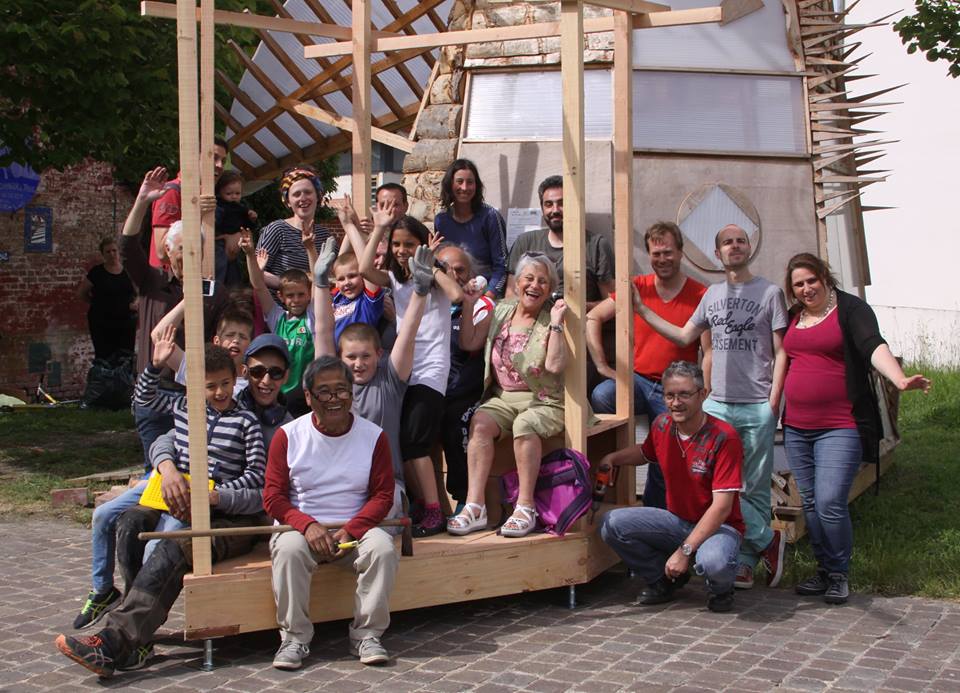
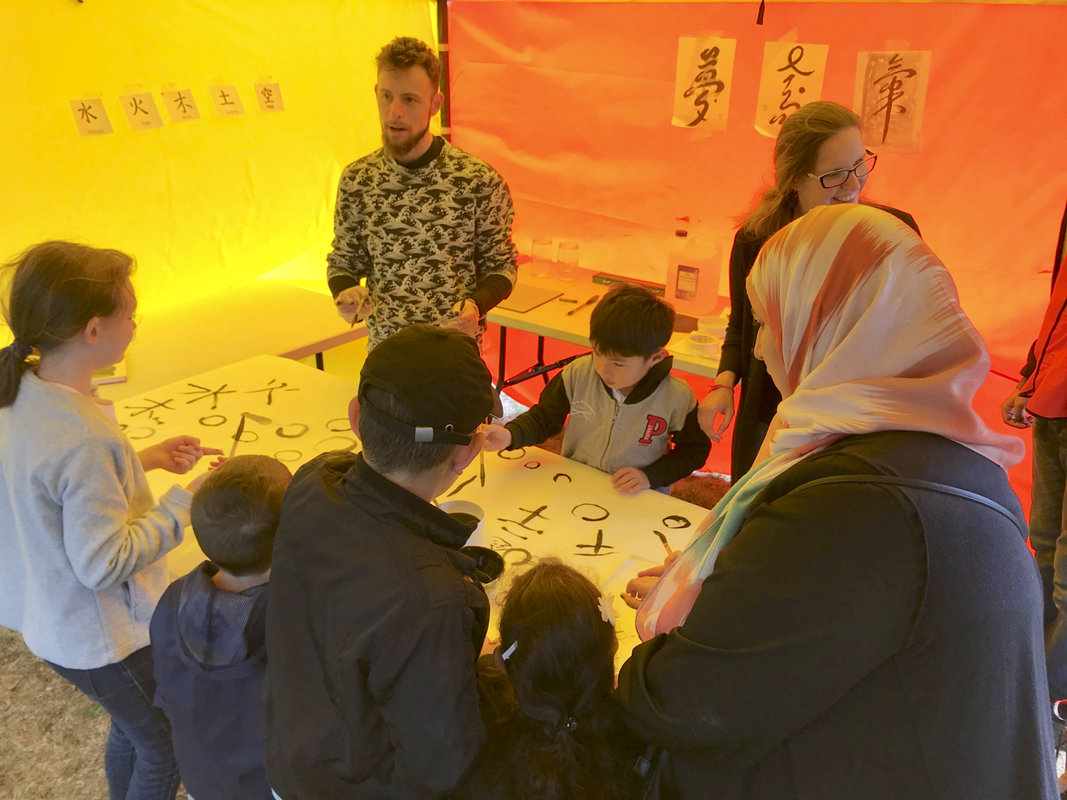
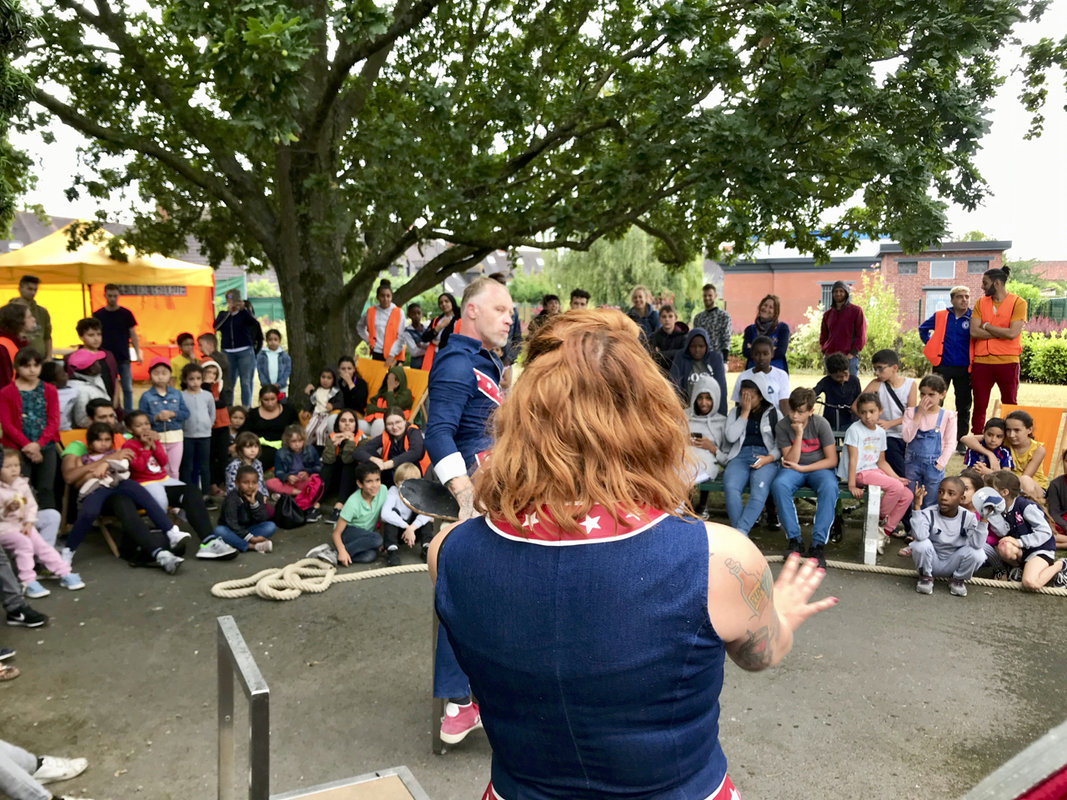
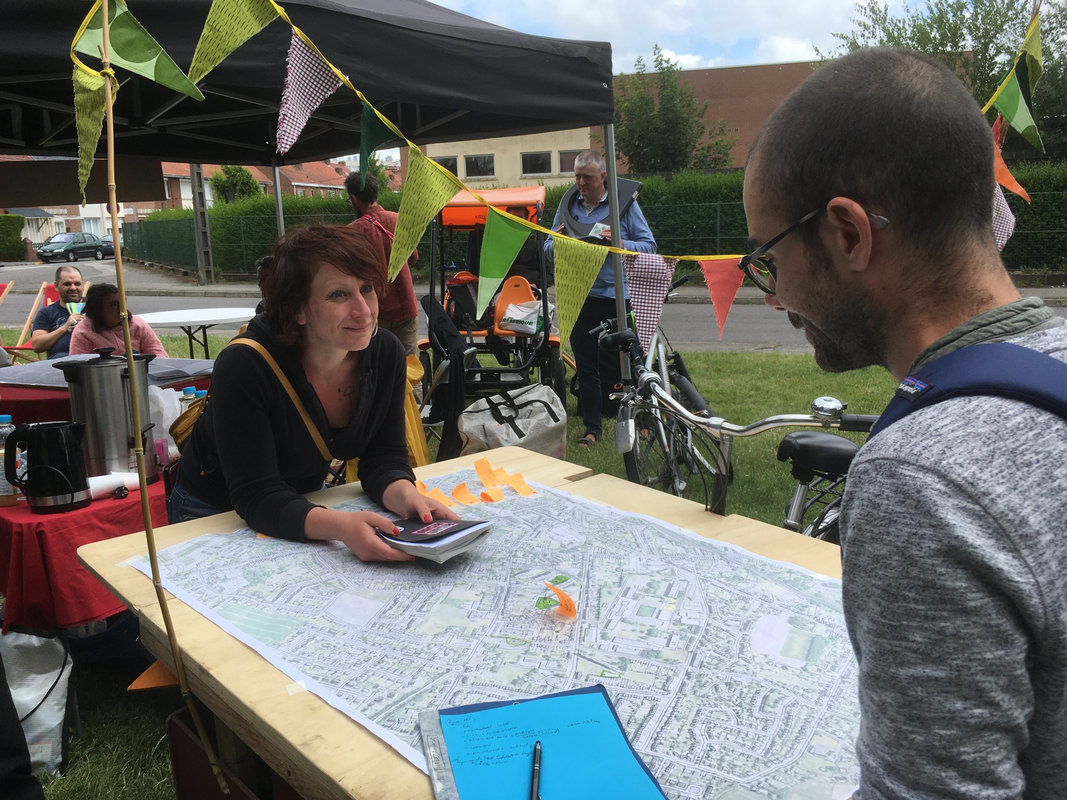
This participatory programme of artistic and cultural actions is carried out with and for the inhabitants of the Pasteur Foch priority district of Hazebrouck, which is in the midst of urban renewal. It creates spaces for meeting and artistic expression by accompanying the transformation and reappropriation of this neighborhood in the making. Conducted with regional artists’ collectives, at the crossroads of the performing, plastic, visual and landscape arts, it invites us to question living together and the notion of territory. The actions, which can be adapted according to the inhabitants and partners, will be presented during a major festive event.
Amazed and Wonder Project with Human Energy – La Brouette Bleue
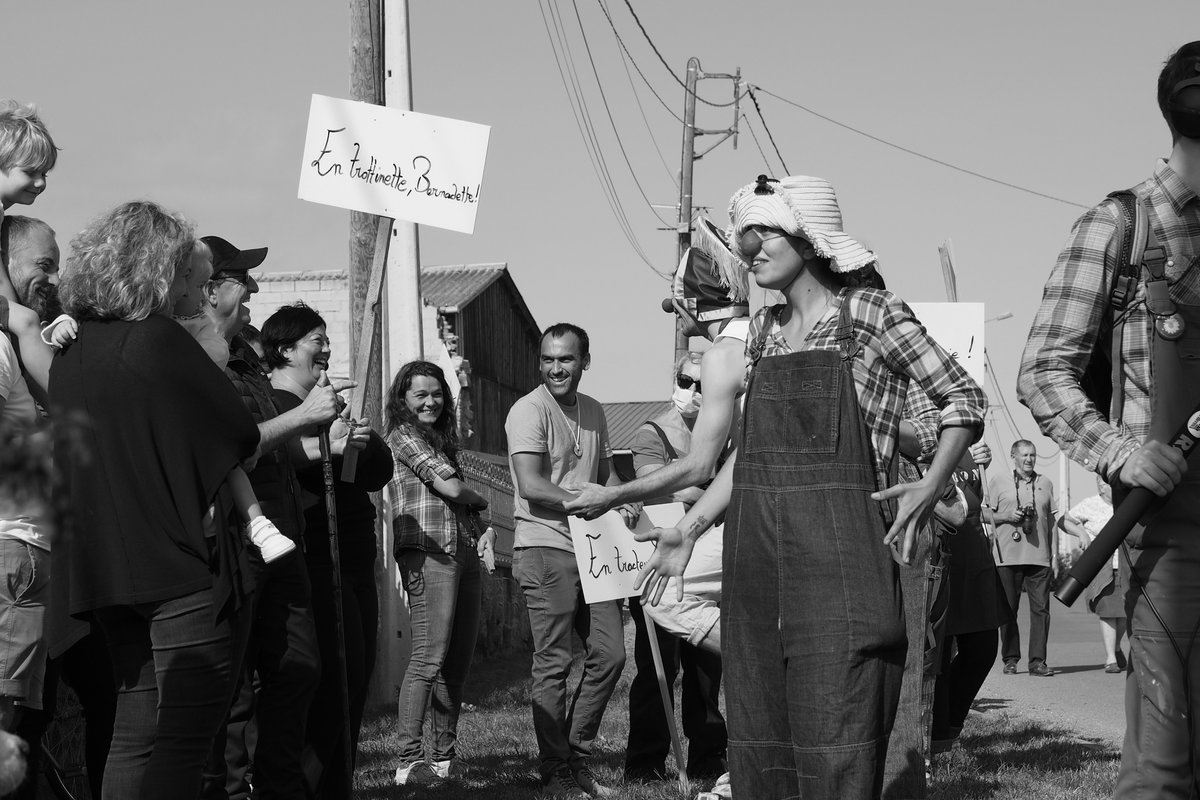
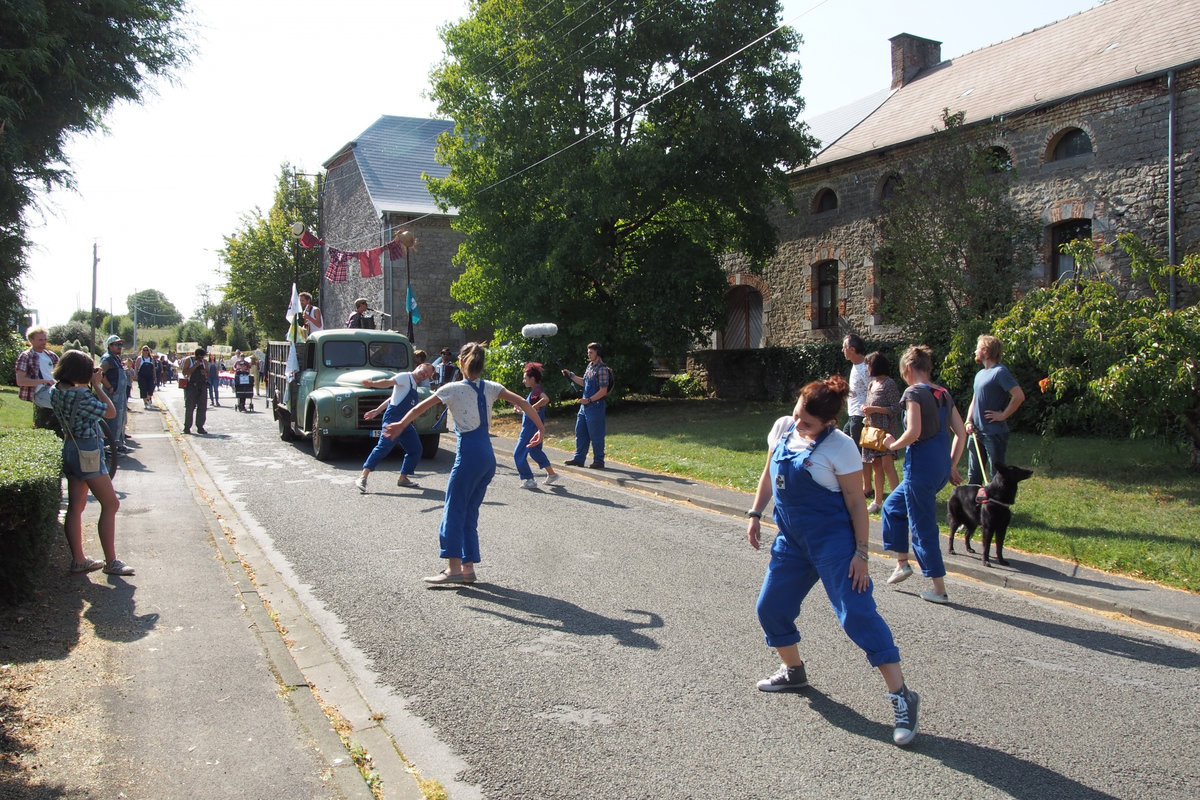
Solicited by the inhabitants of the village, the Brouette Bleue proposes to co-construct a varied cultural offer by combining professional and amateur practices. A real participatory process, the project is based on a street arts and circus company that will allow the public to be an actor in the “Yes Future” parade, creative workshops to encourage amateur practices, an artistic residency under a tent with the meeting of professional artists. Supported by shopkeepers, associations, artists, inhabitants and cultural structures, it is based on the desire to promote openness to the unknown, to the other, to bring the dream and the extraordinary into the life of this rural territory.
Rollin(g) stones – our soil / our territory / our future Citizen art project – www.ccjt.fr
The Pierre Rollin district, classified as a priority in the city of Amiens’ policy, is undergoing urban renewal until 2026. For two years, Superamas will develop an artistic project to support residents in a fun, shared and co-constructed way by multiple partners (institutions, national education, landlords, associations, etc.). Rollin(g) Stones is structured around three main axes: “Our soil”, a work of investigation and research on the history of the soil, of the different periods of urbanization; “Our territory”, highlighting individual and collective territories; “Our Future”, creation of common rituals to symbolize and perform the geographical transformation based on the lives of the inhabitants, their histories, their cultures.
At both ends/ Speaking standing up – www.lachambredeau.fr
This project proposes a participatory artistic work focusing on certain territories of the Thiérache, located on the borders of the Nord and Aisne departments, far from the economic and transport hubs. The objective is to bring out with the inhabitants the issues specific to these spaces, to make them vectors of artistic and cultural creation in order to change representations and encourage resilience. Four artists in residence will take a new look at the identity of this territory through various practices (architecture, visual arts, engraving, object theatre, music), mediation and dissemination actions (meetings, collection of testimonies, collective work, workshops, etc.).
Hmmm! – https://assokraft.wixsite.com/kraft
This project brings together Merville stakeholders to create a citizen dynamic in order to transform the city by allowing new collective uses. It is a question of bringing about a change where quality of life and territorial development are combined with creativity, art and culture, relying on artists and their know-how. Several festive meetings will allow the mobilization of the inhabitants to lead to participatory works that will experiment with solutions around ecology, culture, comfort, attractiveness, living together.
Café Artwork www.lamaisonducolonel.com
The Maison du Colonel is a cultural third place where residents, craftsmen and multidisciplinary artists interact during moments of artistic creation to culminate in the eco-renovation of a wasteland with the Japanese artist Kinya Maruyama. The project is that of a cultural place open to all; A café wanted, designed, designed and eco-built by the inhabitants. A café that will be a work in itself, self-constructed and civic, a work of social utility, living and appropriate by all, supported by a State Public Order.
For a revealed youth – www.libredesprit.net
Born from an alliance between cultural actors and actors of popular education, social and solidarity action, this project continues the dynamic initiated to broaden the perspectives of young teenagers/adults and fight against identity withdrawal. In the Dunkirk area, the project has already brought on board more than 600 people in 2019 around a collective creation. Today, it is a question of supporting the cultural and even professional careers of young people, developing the representations concerning them, strengthening cooperation and the place of culture. The project is multidimensional: artist residencies, events, innovative and cooperative training around the performing arts professions.
Citizen Arts – http://labaraqueliberte.fr/
Residents, associations, amateur and professional artists and craftsmen, an establishment of services and assistance through work for people with disabilities, the Avesnois ecomuseum and the elected officials of this rural living area, have decided to invent together a way to fight poverty and isolation through artistic and craft practices, meetings and exchanges. Thanks to an artistic and cultural office in the heart of the village of Féron, the project aims to become a new participatory model of artistic and citizen mediation, through several flagship spaces: the associative café, a former goat farm, museum premises, but also the public space.
Neighborhood Culture – http://www.detournoyment.com/
Located in a priority district in the east of Roubaix, Culture de Quartier is a place that brings together educational and social actors to create actions with people in precarious situations. With the DÉTOURNOYMENT project, everyone expresses their reality, their vision of the world and takes part in the life of the City: artistic workshops and cultural outings for audiences who are unable to attend; intergenerational action in crèches and nursing homes; exchanges with other priority neighbourhoods in order to question current societal issues; book huts with events.
PROJECTS IN INCUBATION
The school that is looking for itself – www.fracgrandlarge-hdf.fr
It is an art school, a school of life that draws on the nearby territory to create its educational program, in co-construction with its audiences. The objective is an exchange of knowledge and collaborative learning, based on a history, which can be common, Art, or lived. The first step is to look together (Maki Suzuki – åbäke, the FRAC Grand Large and the participants in these walks) for a subject, an epicenter as the only starting point of this art school. This search is done together, by walking. This discussion is a guided tour that turns into dialogue and action.
Cultural Rights through Artistic Experimentation – https://www.communaute-urbaine-dunkerque.fr/
The reception of three artists on the Dunkirk territory, in addition to the work they will carry out with the inhabitants of the neighbourhoods, will serve as a basis for an extensive reflection on public policies with regard to cultural rights, as part of an action-research project. In addition, the representatives of this collective will participate in meetings and action research at the national level within the Culture 21 Network. This approach, undertaken by a local authority, is aimed at devising a new culture of public action.
Digital 2-Mi-Word Poetry – http://alislab.fr
A show company, ALIS was created by Pierre Fourny, inventor of the Poetry with 2 mi- mots, a particular font aimed at cutting words in the horizontal direction to create other words. It takes on an itinerant dimension thanks to typowalkers, making it possible to make typotickets, poetic micro-shows printed on a ticket, distributed according to meetings and events. They are also intended to present choreographies of words and promote interaction between the “spectator-creator” and the artist. By continuing the reflection on the enhancement of words and by adapting to the needs of the interlocutors, this project offers a playful and singular artistic tool.
Terri’Toi’Art – www.diaphane.org
Initiated by associations, institutions, artists, elected officials, companies, craftsmen and the inhabitants of the Creil industrial basin, this project aims to discover the territory, in particular the industrial heritage, through meetings and artistic practice. Residents will be able to rediscover and take a new look at this territory, marked by industrial decline and impoverishment. The experience of art, cultural mediation in the broad sense, artistic creation and dissemination are present at all levels of this “cascading” project. It takes shape through a diversity of projects envisaged (disciplines, places, actors).
The ATTACAFA Bridge – www.attacafa.com
Designed with a programme of workshops and shows, the LE PONT mobile module will circulate through the micro-territories of Lille (crossroads, pedestrian streets, foot of buildings, squares, etc.), making connections between neglected areas of the city and its centre. At each visit, the association will seek to leave a mark in partnership with local artists and structures. These interventions will be an opportunity to empower ourselves and reappropriate the urban space to make the city hospitable.
«
Thanks to the jury’s cross-expertise, the examination of the projects gave rise to very constructive and enlightening exchanges. Their investment at our side has made it possible to make choices that are certainly difficult, but based on very relevant and solidly argued analyses. We are very grateful to them, especially since, as with all our juries, their commitment was voluntary.
»Thank you to the members of the jury!
Christelle Blouët, Founder and coordinator of the Culture 21 Network and coordinator of the Paideia program in France in partnership with the Observatory of Diversity and Cultural Rights of the University of Fribourg
Marie-Pierre Bouchaudy, Head of the Department of the Inspectorate of Artistic Creation at the Ministry of Culture DGCA
Gilles Braun, Data Protection Officer, Inspector General at the Ministry of National Education and Ministry of Higher Education and Research
Laure Decouvelaere, General Delegate of the Fondation de France Nord
Sylvain Gouraud, Photographic artist reflecting on the organization of our societies
Alice Gradel, Territorial Cultural Action / Interministerial Affairs Advisor at the DRAC Hauts-de-France
François Leulier, Department of Artistic Creation and Cultural Practices of the Hauts-de-France Region
Lucile Manoury, Head of study and development (Local development, evaluation and project engineering) and associate of the Atelier Coopératif, associate lecturer at the University of Avignon
Marie-Stéphane Maradeix, General Delegate of the Daniel and Nina Carasso Foundation
Emmanuel Paris, Deputy Director of Cultural Affairs of the association Les Maisons des Enfants de la Côte d’Opale
Stéphanie Pryen, Sociologist, lecturer, head of the Cultural Development of Territories course within the Master’s degree in Cultural Professions at the University of Lille
Photo credit cover: Sylvain Gouraud