30 juillet 2019
A look back at a day under the sign of PEGASE


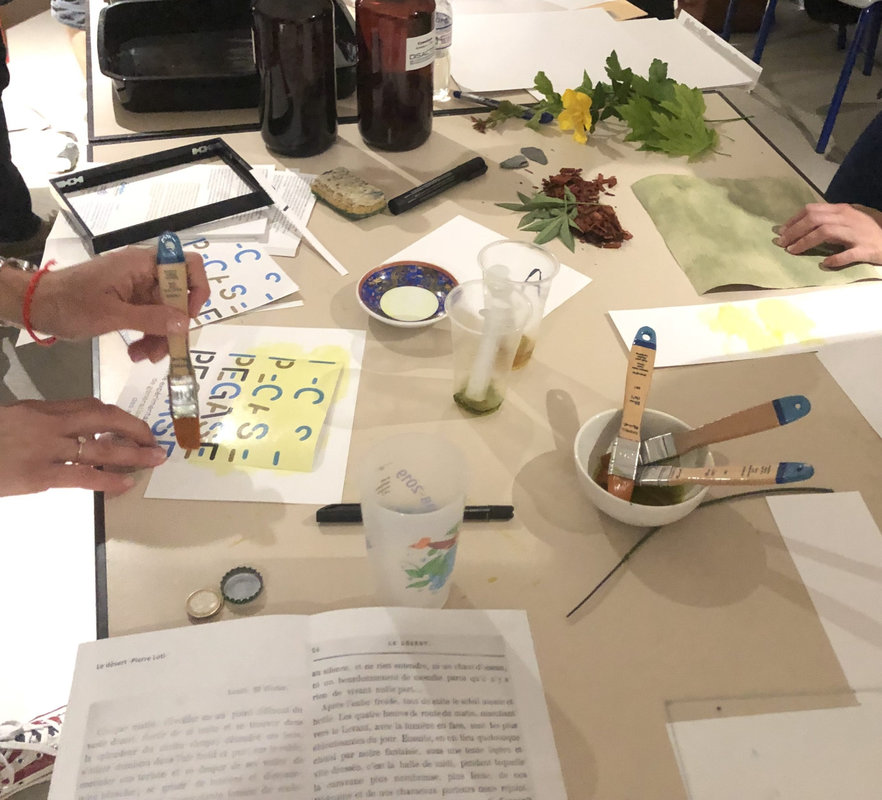
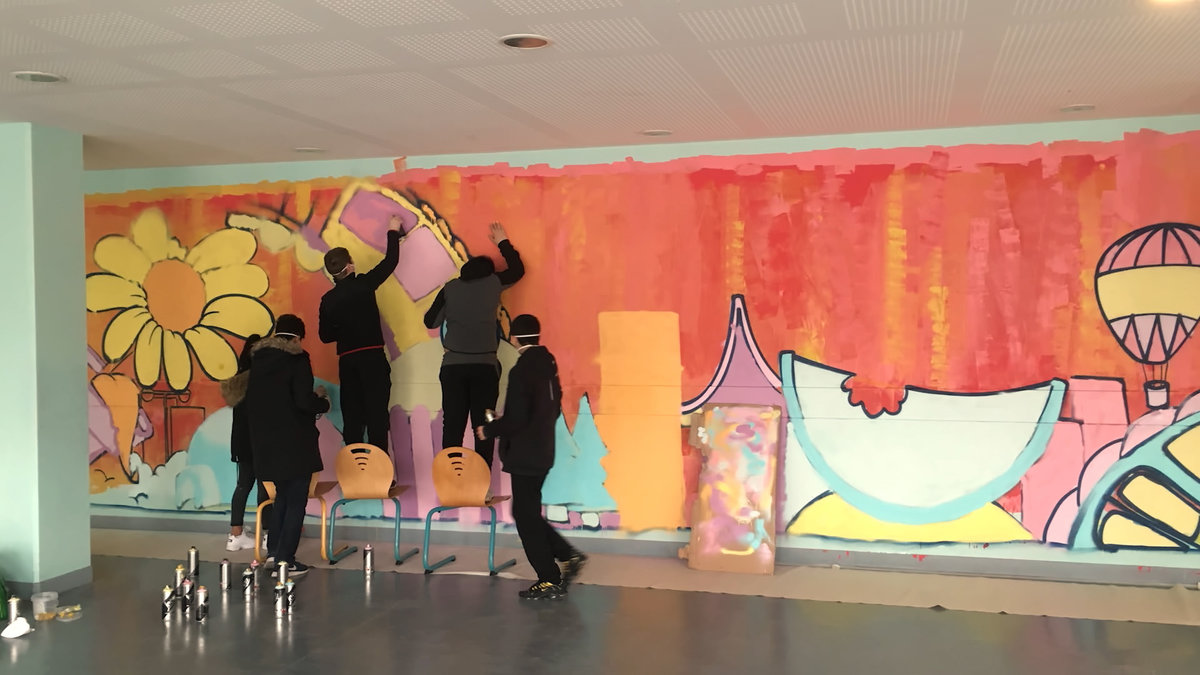
On June 13th, we organized with the Academy of Versailles a day dedicated to PEGASE, Experimental Program for the Generalization of the Arts in Schools. A day of artistic practices, meetings and exchanges between the partners and the actors of the program to explore together but also to present the results and perspectives after a year of launch . A look back at a seminar rich in learning and this first year of PEGASE in pictures.
2018-2019, a launch year for PEGASE
Built in partnership with the Academy of Versailles, PEGASE is a multi-year program for the generalization of artistic and cultural education at the school level. It places student success at the heart of its ambitions.
As part of PEGASE, teachers are invited to build Artistic and Cultural Projects in Educational Territory (PACTE), according to pedagogical criteria including an artistic and/or scientific approach and carried out with an interdisciplinary team. These projects are also carried out in partnership with a cultural structure in the area.
The program was launched during the 2018-2019 school year and will continue depending on the school over 3, 4 or 5 years.
An internal seminar rich in learning
The day of June 13, organized at the Paul Eluard Theater in Bezons, brought together teachers already involved in the PEGASE program, during this first year, but also teachers interested in the approach.
Coming from the 5 pilot institutions of the programme and from all disciplines, they were invited to participate in artistic workshops organised by cultural and scientific partners. Objectives: to live the PEGASE experience as a participant and to put themselves in the shoes of the students who benefit from the program. What implications and commitment do EAC projects require? What methods, what contributions?
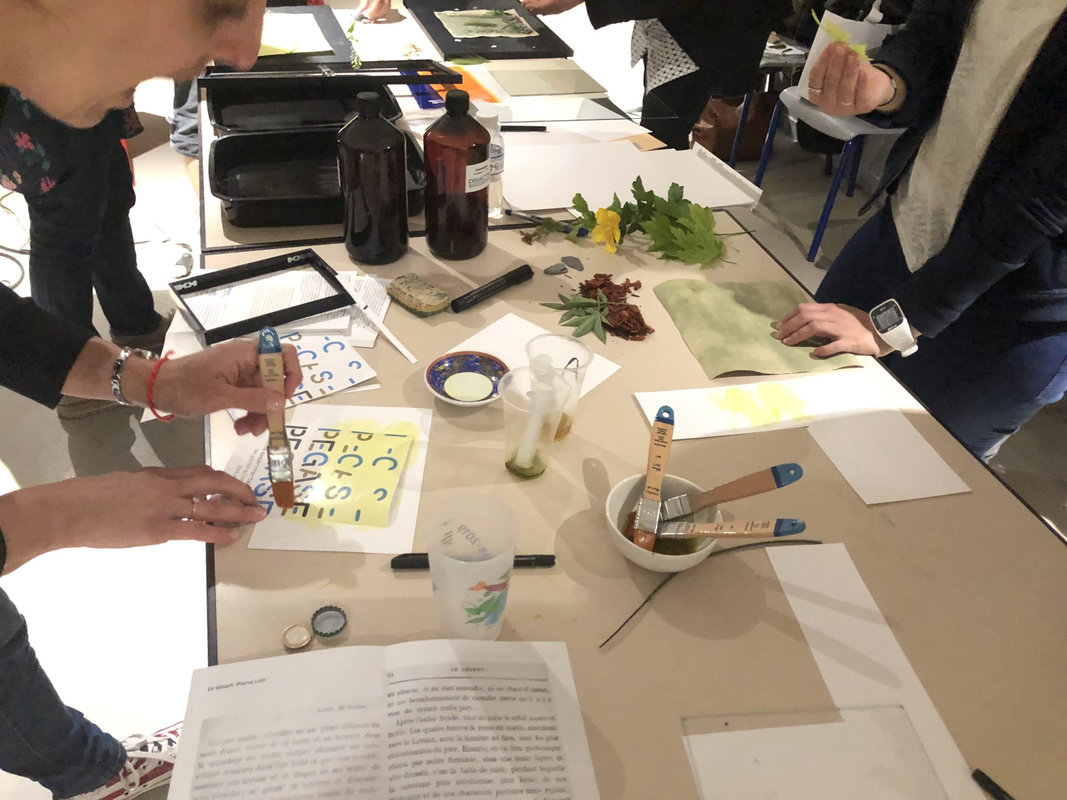
In the morning, through 3 artistic workshops – dance (led by David Lerat), writing (led by Patrick Souchon) and photography (led by Laure Ledoux) – the teachers were able to experiment with these different approaches to the EAC, but also the importance of its sharing and its individual and collective effects.
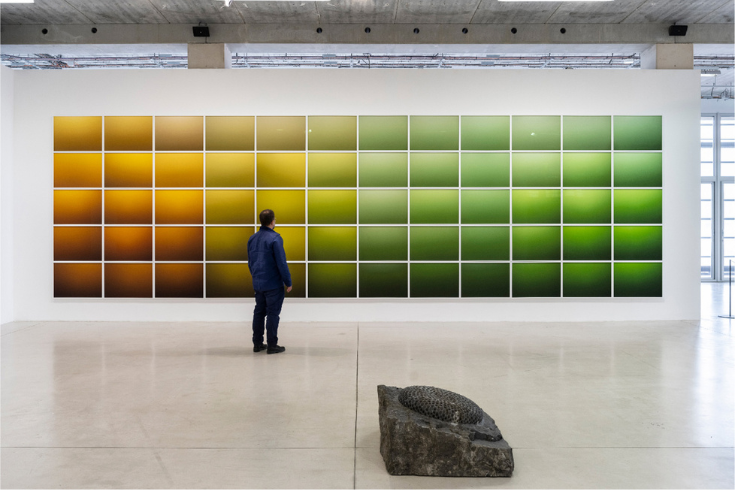
In the afternoon, as part of the Arts & Sciences workshop led by Jean-Marc Chomaz and Filippo Fabbri, researchers at the Ecole Polytechnique, participants discovered and interacted with ” Sky ” – an art installation on climate change. This workshop highlighted the role that science can have in artistic and cultural education and the richness of the crossovers between the disciplines and the teachers who embody them.
Finally, a time of exchange around the workshops brought out the key ideas of the program and the challenges for the teaching teams involved.
An evening open to all partners to draw up an initial assessment and discuss the prospects of the programme
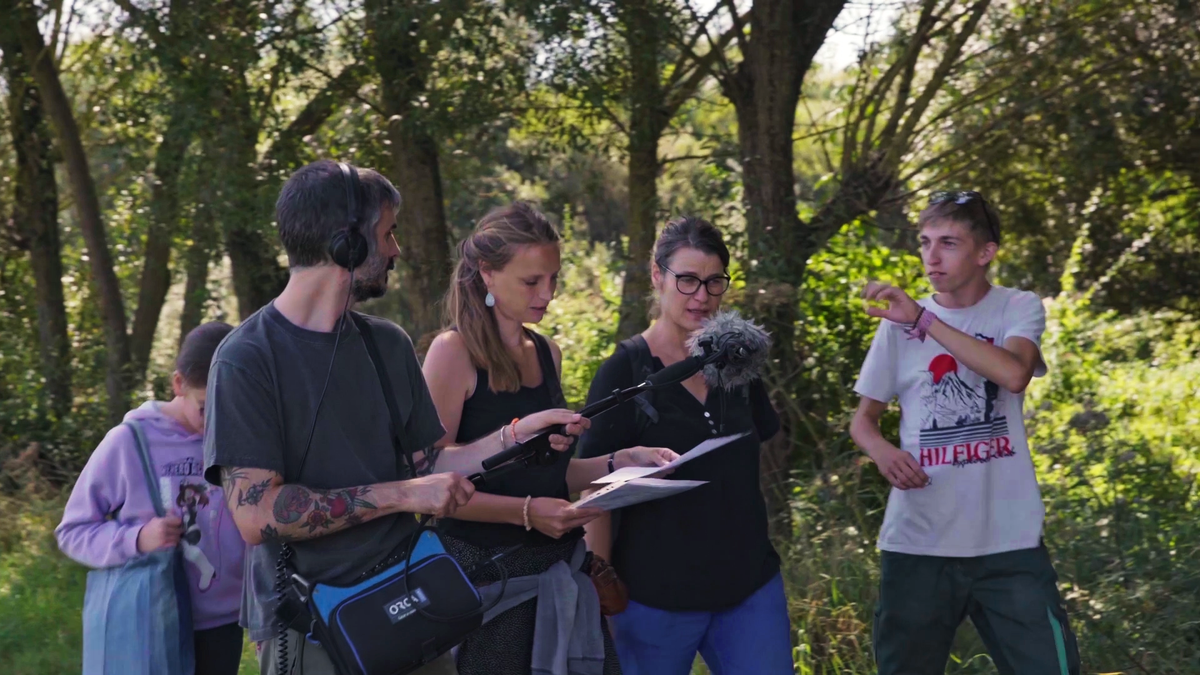
The evening opened with the screening of the film directed by Didier Rouget (Arte productions) on PEGASE. Through immersion in the 5 pilot schools and meetings with teachers, artists and students, this documentary highlights the diversity of approaches, cultural partners and multidisciplinarity in the projects. The testimonies also reflect the lessons learned from this launch year: difficulties, successes, contributions… and show the specificity of PEGASE, which aims to reach all the students of a school, over time.
Discover in pictures, the documentary made on PEGASE, an experimental program for the generalization of the arts at the School:
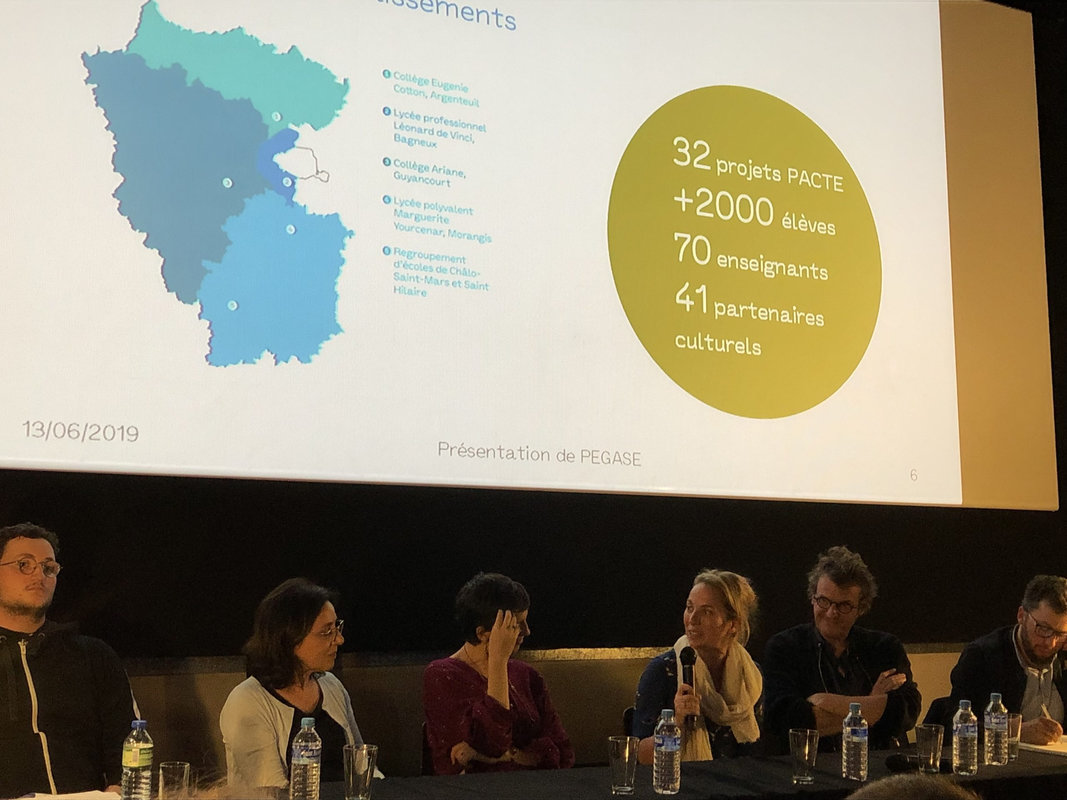
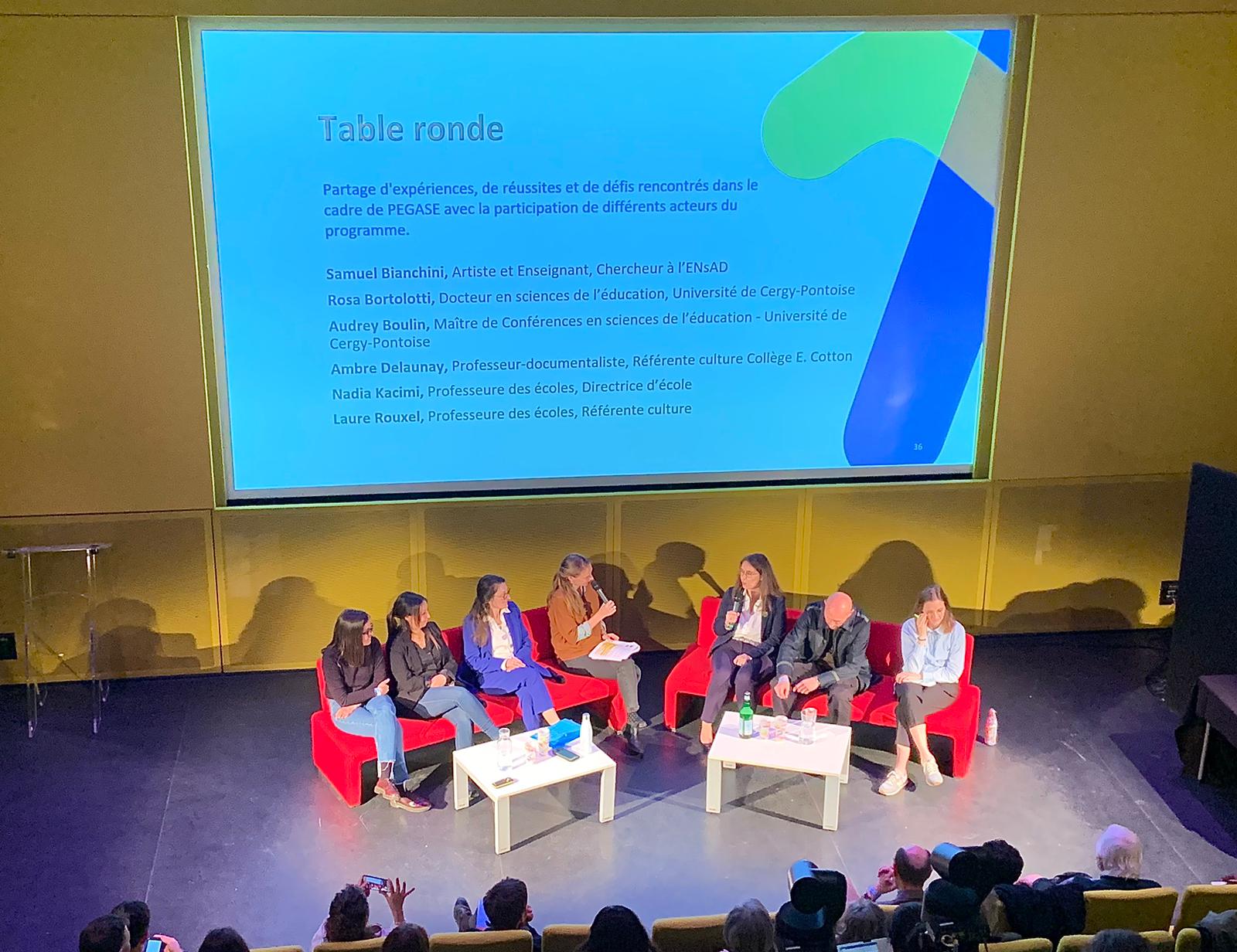
It was also an opportunity to take stock of this first year and to open up on the prospects of the program for the one to come during a round table bringing together representatives of the Academy, our Foundation but also professors, students and academics in charge of the evaluation of the program.
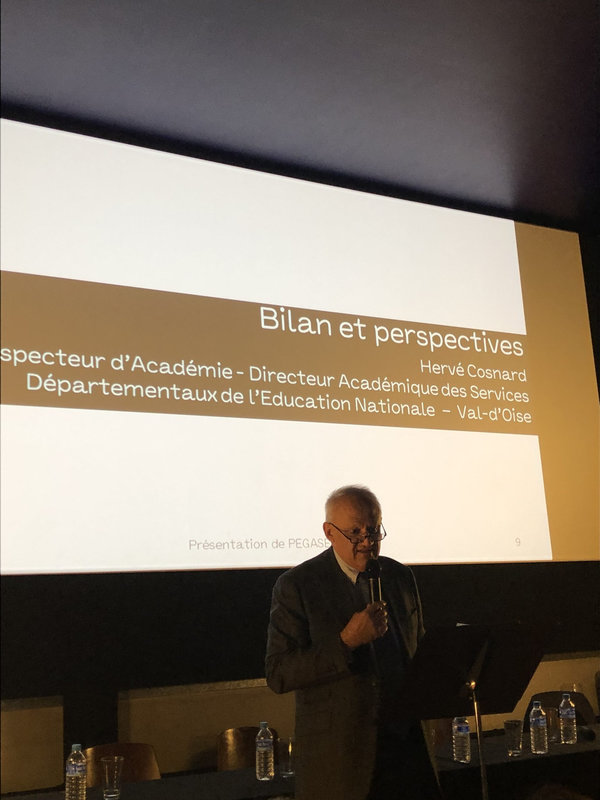
The final word was given to our General Delegate, Marie-Stéphane Maradeix and Hervé Cosnard, Academy Inspector – Academic Director of the Departmental Services of National Education – Val d’Oise, who presented our common commitment to PEGASE.
«
The results of this 1st year invite us to go even further at the start of the next school year: by reaching more and more students in the 5 partner schools, by deepening relations with the schools, by going further in transdisciplinarity, by giving rise to other collaborations with cultural partners. This 2nd year will also be under the sign of evaluation and will allow us to continue to learn and develop our practices.
»Marie-Stéphane Maradeix
General Delegate
Experimental and innovative, the PEGASE programme will be evaluated from the start of the 2019 academic year and throughout its duration. Led by Benjamin Moignard and Dieynébou Fofana-Ballester, lecturers in educational sciences at the International University Observatory for Education and Prevention (OUIEP), it will aim to go further in the measurement of its effects: certainly through student success and pedagogical innovation, but also through the fluidity of living together in schools, the civic engagement of students and the mobilization of the various actors, to achieve the given objectives. It will contribute to the modelling of this programme, which could be replicated in other academies.