8 décembre 2022
Dissemination of agroecology: 10 new winning projects


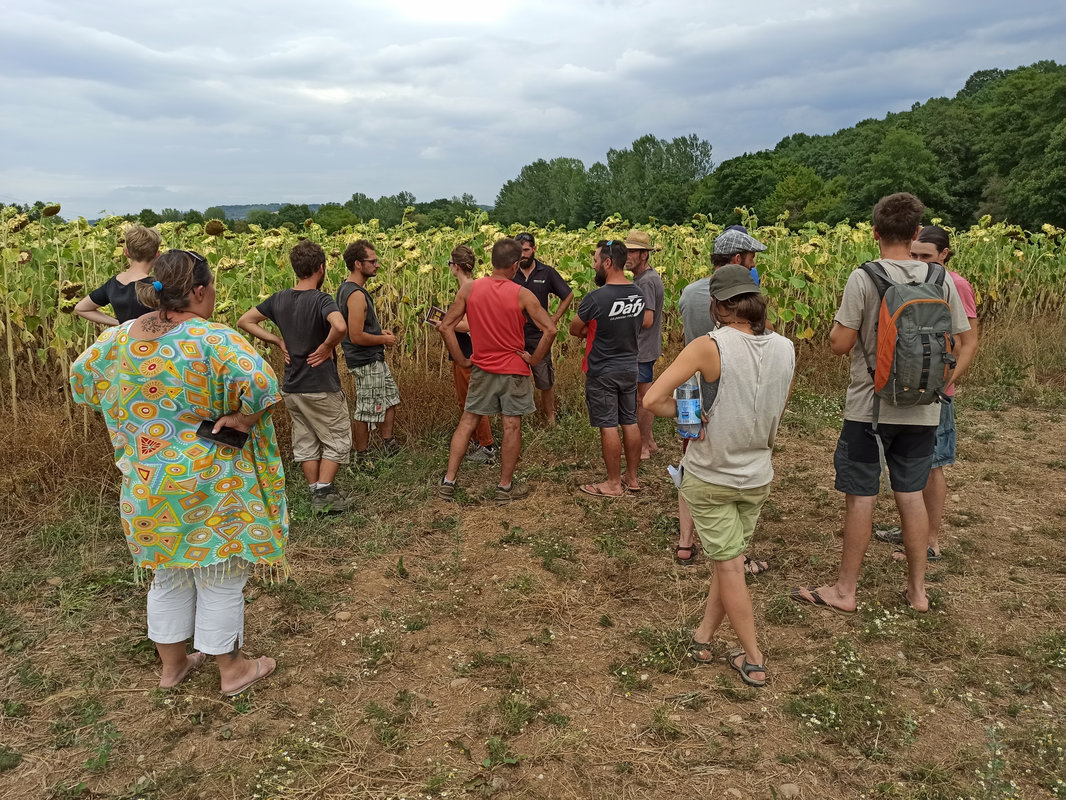
While farmers are the first victims of global warming, 3 years ago, we launched a call for projects allowing collectives from all walks of life to take up agroecology in order to disseminate practices through exchange and sharing in the field. In 2022, 10 projects were selected across France by a jury of volunteer experts. Cereals, livestock, viticulture, market gardening… In total, since 2020, 23 initiatives have received our support for an amount of more than €1.3 million in Sustainable Food, in partnership with 4 major networks: Fadear, Cuma, Civam and Trame. In line with our desire to promote a new agricultural model, we are continuing our action by working on the study, capitalization and spread of these experiences.
Agroecology: a way forward for sustainable food that is being built today
Our agriculture and our food are at the crossroads of multiple (dis)balances: their most intensive and industrial forms contribute to the degradation of biodiversity, climate change, obesity pandemics and diseases. They impoverish some farmers, empty the countryside, while economic power is concentrated and inequalities widen. Farmers, breeders, fishermen and aquaculturists are challenged by these issues, the majority wish to collectively accelerate their transition to forms of agriculture that are more respectful of people and ecosystems, forms that are more resilient and autonomous.
For us, agroecology is not seen as a particular form of agriculture or a specific set of practices, but rather as a vision that can transform all current forms of agriculture and as an inspiration on the paths to achieve this. It is a way of designing production systems that rely on the functionalities offered by ecosystems. It amplifies them while aiming to reduce pressures on the environment (e.g. carbon sequestration) and to regenerate natural resources. Integrating plots and territory in a coherent way, agroecology reintroduces diversity into agricultural production systems and restores a diverse landscape mosaic where the role of biodiversity is enhanced.
This massive transition must be based on the unique experiences of each farmer who, in all agricultural networks, experiments with agroecological practices. This is why we launched a call for projects in 2020 to encourage the mass dissemination of these practices. ” The choice to address the collectives seemed particularly relevant to us ,” explains Guilhem Soutou, Sustainable Food Manager France. “First of all because they are privileged forums for the profession to evolve, especially for those who wish to engage in a transition process. Beyond the prevailing discourse and public policies, they offer a concrete space for sharing experiences, emulation and testimony for those who are still hesitating to take the plunge. We have therefore been particularly careful to ensure that these collectives bring together different, sometimes opposing, profiles and approaches in order to allow the dissemination of agroecological practices beyond the circle of the convinced. To do this, there is nothing like dialogue on the ground! And of course, the right resources, supervision and methodology. »
«
The agricultural world is moving everywhere. Fundamental changes are taking place underground, the effects of which we hope to see visible in the years to come.
»Guilhem Soutou, Sustainable Food Manager France
Supporting farmers in their desire for transformation
Farmers committed to agroecology have experienced its relevance. They have feedback and valuable agronomic knowledge that is useful for their colleagues who wish to engage in the agroecological transition. With this call for projects, we wanted to promote exchange and sharing of experience. This is the case of the Chemin Cueillant association, an association that works for peasant agroecology in the Minervois, a rural territory straddling the Aude and Hérault departments. With a strong presence of viticulture (80% of the cultivated share), an agricultural abandonment, and a strong sensitivity to climate change (droughts, floods), the historic and dominant agricultural model of the Minervois is becoming a dead end. Thanks to our support for the past 3 years, the association has been supporting farmers on various themes, including soil fertility, farmers’ seeds, diversification through arboriculture and phytosanitary alternatives.
During the 3 calls for projects, 23 projects were supported to the tune of €1.3 million, marking our commitment to transform agricultural practices and thus build a more ecological, inclusive and fulfilling society. This action concerns a large number of production areas in the territory, including in the Overseas Territories, with pedoclimatic characteristics and varied cultures. The collectives supported have different levels of maturity in relation to agroecological practices, thus making it possible to act at all stages and for all types of public.
This access to the territorial network and its diversity was made possible thanks to the involvement of our 4 partners. The National Federation of Agricultural Equipment Use Cooperatives (FNCUMA) at the head of a network of more than 10,000 cooperatives, 51 local federations and 10 regional federations. resaThe FADEAR Peasant Agriculture Network, which brings together 66 associations. The network of Centres for Initiatives to Promote Agriculture and the Rural Environment (CIVAM) with its 130 associations. And TRAME, a resource centre designed to provide support to farmers, agricultural employees and technicians involved in local, departmental agricultural and rural development associations. ” With varied agricultural approaches, the partners have played the game of plurality,” Guilhem Soutou is keen to emphasise. “They have been a valuable support through their knowledge and access to farmers’ collectives in the field.”
«
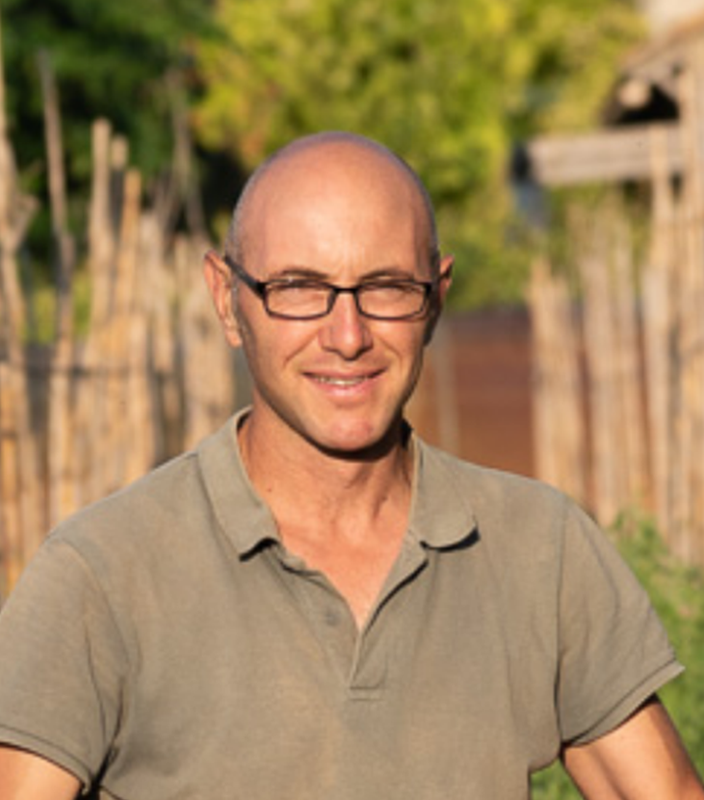
Agroecological practices invite our profession to reinvent itself and make complexity a fertile ground. If the farmers of our CIVAM collectives are so mobilized, it is because exchange, sharing of experiences, openness, training, are the ingredients that allow us to build the food system of the world of tomorrow on exemplarity.
»Nicolas Verzotti – Vice-President of Réseau Civam – Market gardener in Le Thor
«
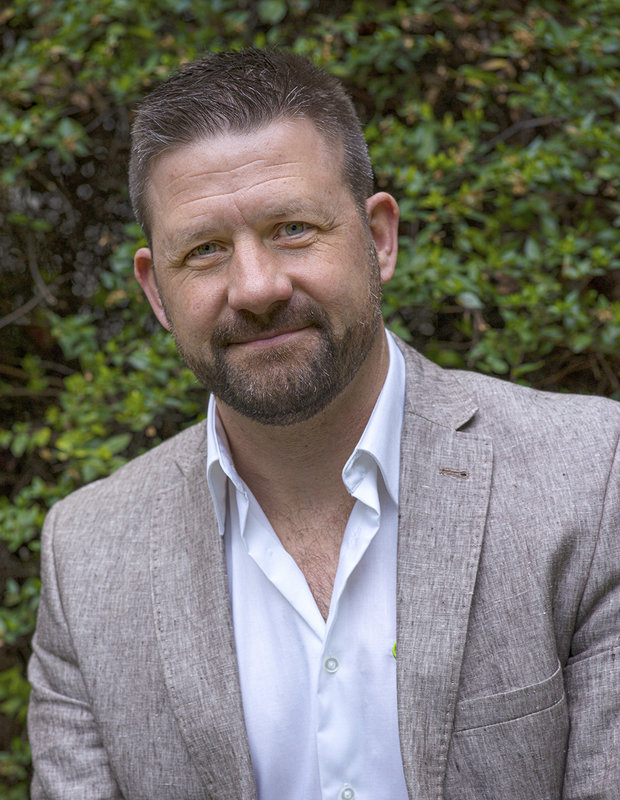
This partnership illustrates the legitimacy of the Cuma network around these themes and the recognition of the many actions undertaken within our collectives for the agroecological transition.
»Matthieu Goehry, President of the FNCUMA
10 new projects supported in 2022
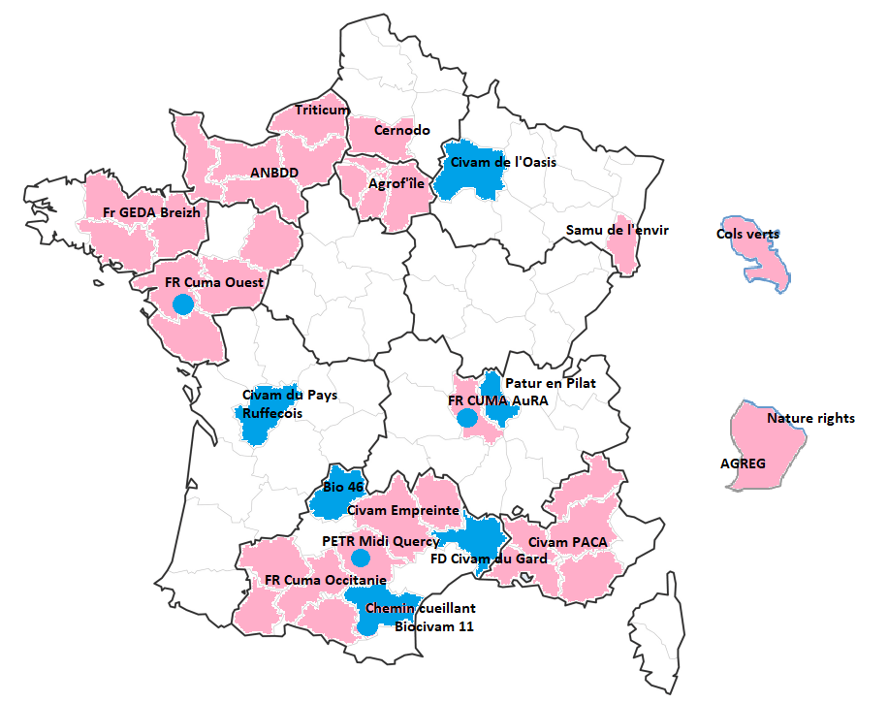
For this 3rd and final edition, 10 projects led by collectives of farmers, of various productions and sizes have been selected for a total amount of 450,000 euros.
Among them, Bio 46, the group of organic farmers in the Lot with 129 members. With the Lot Chamber of Agriculture, Bio 46 has initiated a project around the complementarity between soil conservation agriculture and organic farming. “For the cereal farmers we support, the main problem remains the management of grass cover, especially when there is no deep tillage and there is no use of herbicides ,” explains Lucile Dréon, technical coordinator at Bio 46. ” The advantage of partnering with the Chamber of Agriculture is to be able to offer our farmers the opportunity to combine organic farming practices with other agroecological practices. An efficient solution that fully meets the needs formulated by our respective collectives! »
In this very diversified territory in terms of production (walnut crops, vines and cereals, livestock, etc.), it has been noted that the specialisation of agriculture has led to a reduction in mixed cropping and livestock farming, intensive tillage and the extensive use of phytosanitary products. ” Agroecology is a way of revitalising farms and bringing added value at the ecological and social level. Making farms more resilient and more attractive is a challenge for their transfer. »
«
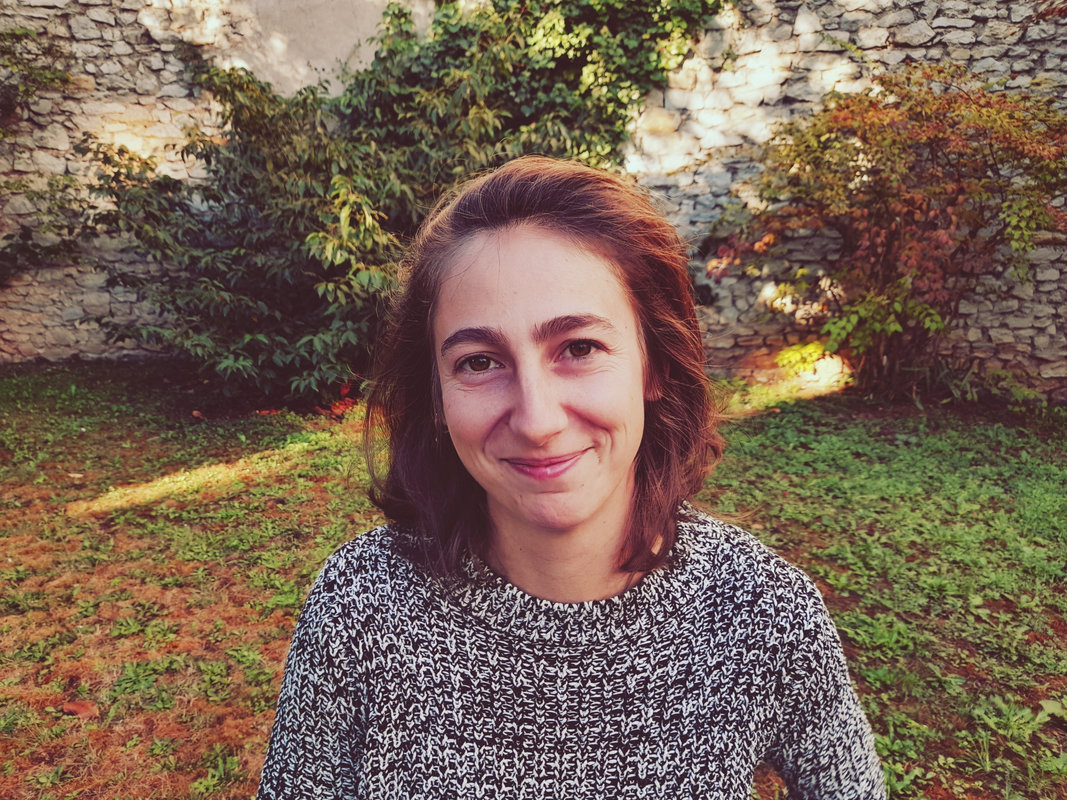
For Bio 46, this project, which would not have seen the light of day without the financial support of the Carasso Foundation, is essential. The farmers supported will concretely apply new virtuous technical itineraries on their farms, directly impacting the ecosystem of the territory, which is totally in line with our values!
»Lucile Dréon, Bio 46 technical coordinator
The 2022 winners
Bio 46 Two collectives from the Lot, one in organic farming led by Bio 46 and the other, ClacSol in conservation agriculture led by the Chamber of Agriculture, will discuss soil management in order to share their respective practices on grassing, fertilisation, soil preparation, carbon storage, etc.
Bio Civam 11 In the Narbonne region, winegrowers are suffering the full force of rising temperatures and droughts. In the Corbières and the La Clape massif, four groups of winegrowers, some of whom are already involved in organic farming and agroforestry, will study agroecological solutions together: grassing and the introduction of grazing, integration of fruit trees, planting of hedges, winemaking methods, machinery, etc. They will also visit their Catalan neighbours to be inspired by their practices.
Chemin Cueillant Faced with climate change, a growing number of farmers in the Minervois region are asking Chemin Cueillant to increase their skills in the implementation of agroecological practices. The association offers training, technical days, field visits and experiments with agroecological practices adapted to the pedoclimatic conditions of the Minervois. While it was already supporting several cooperative wineries in this process, as well as the AOC Saint-Chinian, it is now extending its support to the AOC Minervois and the Cru La Livinière, two wine collectives in the area.
Civam de l’Oasis Self-sufficiency in organic fertilisation is at the heart of the reflections of many farmers in field crops, mixed farming and livestock farming in the Champagne Crayeuse. The members of the CIVAM de l’Oasis, the “Organic Agriculture of Conservation of the Grand Est” group, the GIEE Popecoles in Rhône-Alpes, and the Cuma des Sens will share their knowledge on the strategies for planting plant cover, seed sorting tools. These exchanges will also aim to design an economic model for seed production and exchange.
Civam du Pays Ruffecois Livestock farming is very little present in the Charentes region, resulting in the loss of the agronomic, economic and social advantages associated with it. Cereal farmers in the Pays Ruffecois want to rediscover and reinvent the links between crops and livestock, while the farmers of CEMES-CESAM, the winegrowers of the FRAB Nouvelle-Aquitaine and the CUMA are starting similar reflections. Exchanges between them and with the breeders of the CIVAM Charente-Limousine will allow them to benefit from each other’s experiences and to move forward on the reintegration of agriculture and livestock farming.
FD Civam du Gard In the Languedoc, 50 farmers, cereal growers, winegrowers and young people in the process of setting up shop want to grow aromatic and medicinal plants to improve their income and encourage the multiplication of pollinators. Under the impetus of the Bio ORB PPAM cooperative, they will exchange and help each other to improve organic cultivation routes and access to equipment.
Fr Cuma AuRa Farmers in the Auvergne-Rhône-Alpes region are innovating by implementing agroecological practices around animal health, forage autonomy and soil health, to deal with climate change. The FRCUMA AuRA, TRAME, the FEVEC and the CDA run “Radio Fourrages”: they produce podcasts to share the testimonies of innovative farmers in their networks and they organize exchange days on the farms. This project facilitates the identification of agroecological innovations in their networks, their dissemination and it allows exchanges with other collectives in the Region to massively scale the agroecological transition.
Fr Cuma West The combination of cereals and legumes is a promising agroecological practice, which faces technical challenges, particularly during crop sorting. Several hundred farmers in 30 groups from the CUMA, CIVAM, CETA and GAB networks in the Brittany, Pays de la Loire and Normandy regions exchange via group visits or annual meetings on sorting solutions to mass this practice.
Patur’en Pilat and PNR Pilat In Rhône-Alpes-Auvergne, the Patur’en Pilat breeders’ association has been experimenting for 8 years with agroecological methods for the overall management of fodder resources in their mid-mountain territory. They are now accelerating their transition to grazing and thrifty grassland farming systems and are entering into discussions with other groups of livestock farmers facing the same challenges (FEVEC, development committees, etc.). They will rely on support from the Pilat Regional Natural Park and on the national network of Patur’ajuste breeders led by SCOPELA in order to capitalize on their experience and the technical contributions generated.
PETR Midi Quercy The actors of the Pays Midi Quercy territory have noted the isolation and the absence of links between farmers. Since the beginning of 2021, the country’s Territorial and Rural Balance Pole (PETR), with ADEAR82, CIVAM Semailles and FDCUMA82 have been organising exchanges around agroecological practices in market gardening, poultry and cereals. Farmers are now taking ownership of these issues and developing concrete experiments.
This selection was made possible thanks to the expertise and voluntary commitment of a jury made up of farmers, researchers, engineers, sociologists and experts from local authorities and foundations. We wanted to thank them here.
- Aline BOY, Assistant to the Agroecological Project Manager, Ministry of Agriculture and Food
- Claire RUAULT Sociologist member of GERDAL, Lecturer at IRC Montpellier
- Félix NOBLIA Pioneer farmer in direct seeding on organic plant cover
- Samuel FERET, Associate Expert, Project Manager at CIHEAM Montpellier, Mayor of Arzal
- Stéphane BELLON Research Engineer in the Science for Action and Development Department of INRAE
- Thierry GISSINGER, Head of the Environment Programme of the Fondation de France
- Véronique LUCAS, Independent Researcher – Associate Doctor at the UMR Innovation (INRA-SAD) Montpellier
Capitalize, spread and continue our commitment to agroecology
In addition to financial support, the Foundation is committed to supporting projects in their implementation, impact monitoring and collective learning. Firstly, by mobilizing the ECTI senior volunteer skills network, which provides projects with the experience of its members, particularly in agriculture and food. But also with the Gerdal Défis team, an experimentation and research group made up of sociologists of work and rural and local development, which we have commissioned. It regularly brings together all the winners, organizes visits, conducts interviews and bibliographical research, and gathers information. The objective? Understand the impact of these collective experiments, but also provide concrete answers: how can we mobilize more farmers, energize groups and make them last? How can we capitalize on and produce useful, relevant, accessible, up-to-date and proven agro-ecological technical references? How can we make good use of informal exchanges and assess the impact of our activities on changing practices? The year 2023 will therefore be fully dedicated to this research, enabling us to disseminate the fruits of these experiments.
While a page is being turned with the end of this call for projects, our Foundation remains fully convinced that agroecology still needs to be encouraged and promoted. “More than ever, we must react to the climate emergency and the calls for mobilization from the profession and citizens. We will continue to work on this subject with energy, pragmatism and openness,” concludes Guilhem Soutou. To be continued!