1 février 2024
To generalize artistic and cultural education in schools? The conditions for success identified by the research and evaluation of the PEGASE programme


Convinced that art and culture are sources of emancipation, self-fulfillment and academic success for young people, we have been running the PEGASE program from kindergarten to high school for 5 years, in partnership with the Académie de Versailles. Today, we’re sharing the lessons learned from this experiment, as well as recommendations to encourage the widespread use of arts and cultural education, by publishing the research-evaluation carried out by a team of independent researchers. Join us on April 3, 2024 to discuss and debate this social issue.
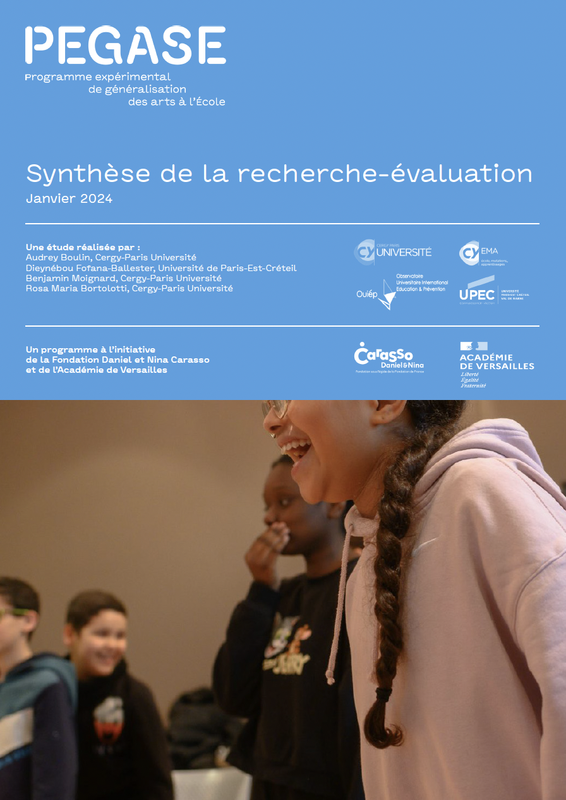
Synthesis of the research and evaluation
1 fév. 2024 · PDF 1 MB
PEGASE: 5 years of artistic and cultural projects at school
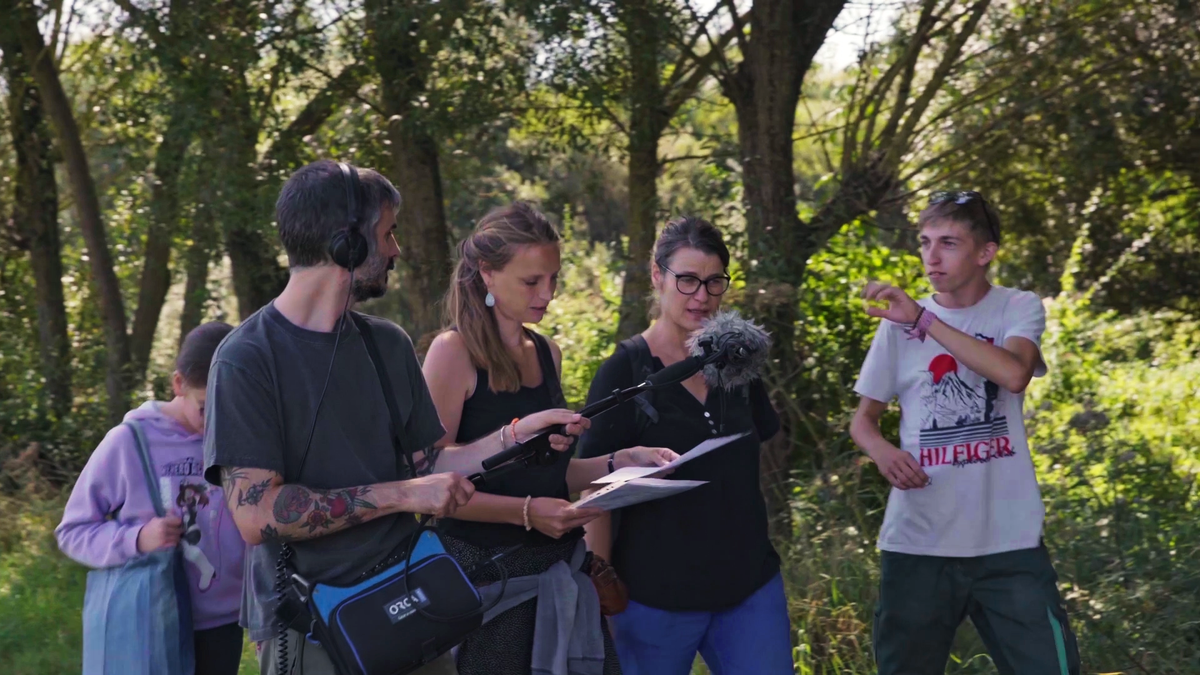
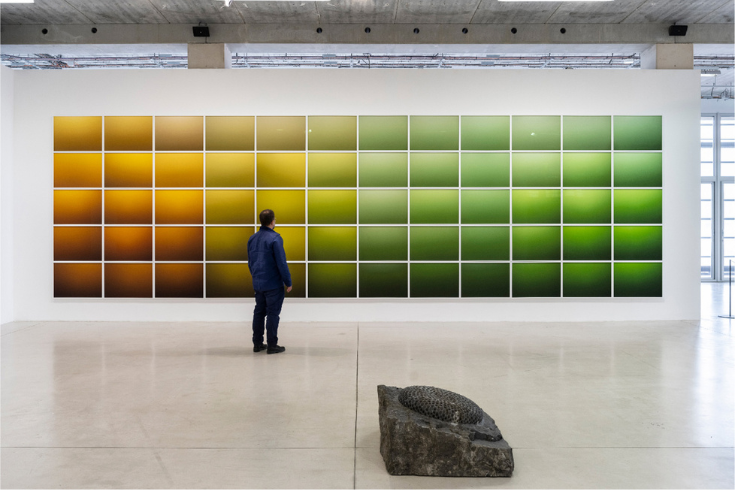
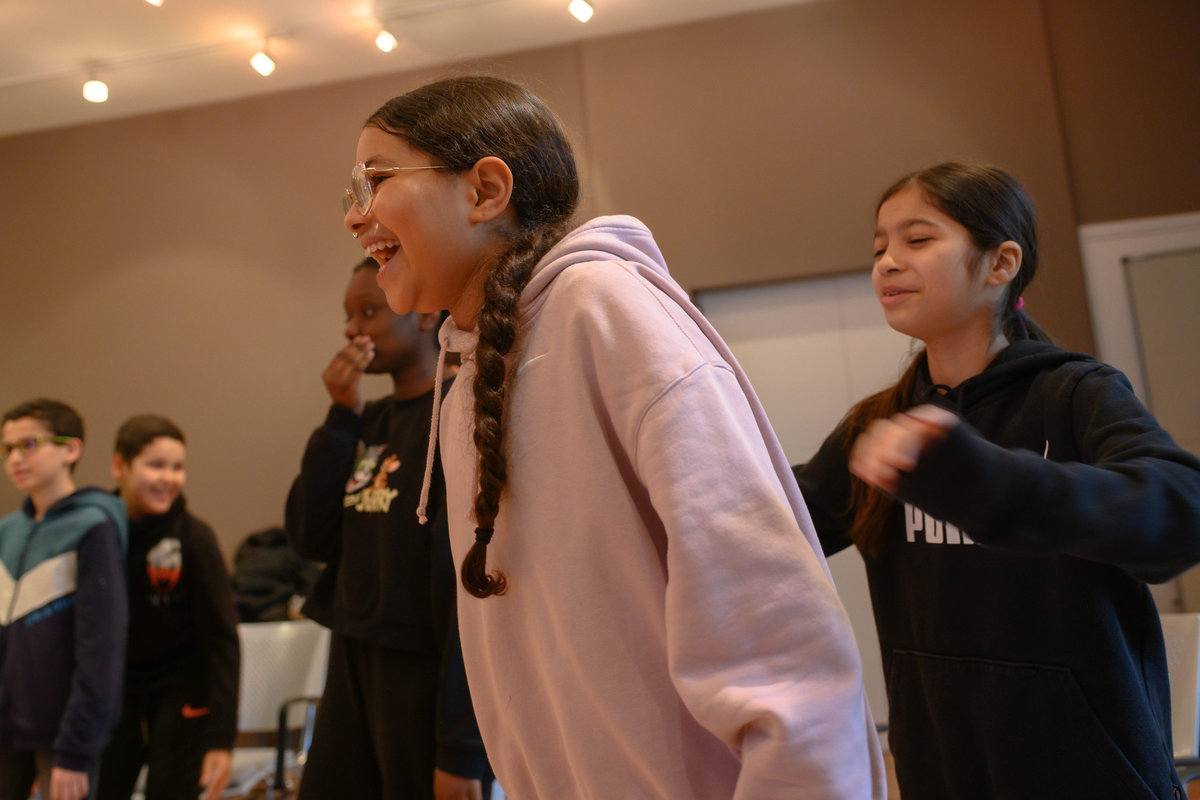
With nearly 10,000 students, 100 teachers and 50 cultural partners involved, the PEGASE program punctuated the daily life of 5 schools in the Versailles academy between 2018 and 2023. At the heart of school teaching, 150 projects have resulted in as many original creations, the result of discovery and practice paths accompanied by local cultural partners. Plays, podcasts, exhibitions, architecture, escape games, mobile applications, films, music… were born from the meeting between young people aged 3 to 18, artists and teachers of all disciplines, inside and outside the walls of the establishments. They have taken up with strength and brilliance subjects that particularly affect them such as friendship, emotions, the gaze of others, the place of women in society, revolt, fake news, pollution, etc. (all the projects can be found on reseau-pegase.org). Even in the midst of the health crisis, PEGASE has shown how art and culture open up possibilities in terms of pedagogical innovation and openness to the world.
From the design of the programme, the Foundation wanted to support the actions of a research-evaluation in order to share the lessons learned and the conditions for success more widely. It therefore called on a team of independent specialized researchers (Audrey Boulin, Dieynébou Fofana-Ballester, Benjamin Moignard and Rosa Maria Bortolotti) who used a mixed methodology articulating quantitative and qualitative data, collected over 3 years.

«
Through the PEGASE programme, we have seen education transform, shaping curious and enlightened minds by placing art and culture at the heart of teaching, to open doors to new horizons.
»Klaus Fruchtnis, Head of Citizen Art France
Actions evaluated and contextualized by specialized researchers
Now published, this report is intended to contribute to the collective analysis of the needs and resources available in this programme, and more broadly to the idea of a generalisation of artistic and cultural education (EAC) which should benefit as many people as possible. Placing the program in the history and evolution of the EAC, the initial question revolved around the following question: To what extent is PEGASE a tool for the development and strengthening of projects related to artistic and cultural education in the school field?
Among the conclusions, we note a strong added value of the programme in its ability to promote EAC, to mobilise a variety of partners in all the territories concerned, an effect on the school climate, on the attendance of cultural structures and practices outside of school and 93% of pupils having expressed satisfaction or even strong support.
However, the researchers stressed the fact that PEGASE was only one device among others, which was not enough to reverse the trends of the school experience: “It is indeed those who are best endowed academically who manage, as is the case for ordinary learning, to make the link between the cultural activities undertaken within the program and the benefits they are likely to produce on a personal or academic level.” In addition, the main criticism made by the students is their weak control over the choice of activities as well as the progress of projects.
Conditions for success and prospects for strengthening the benefits of arts and cultural education
As stated in the conclusion of this research-evaluation work, ” the PEGASE programme undoubtedly contributes to the development of this ambition to promote artistic and cultural education. It is not, however, sufficient to exhaust the exogenous and particular tensions that action entails, but it is a means of laying the groundwork for certain conditions for intervention, not on the basis of a “model programme” that can be duplicated, but rather on the basis of the necessary adjustments and considerations to be made to local dynamics, to the structural frameworks of the school, to the singular mobilization of actors in the artistic and cultural field. »
To understand the drivers likely to increase the process of adhering to the programme and to the approaches undertaken around the EAC in general, 3 markers stand out:
- the projects must be co-constructed with the students;
- projects must promote outings and give priority to encounters with works outside the school environment;
- Projects must provide spaces for dynamic and innovative interactions that promote good relations between the actors (students, teachers and stakeholders) while respecting the school setting.
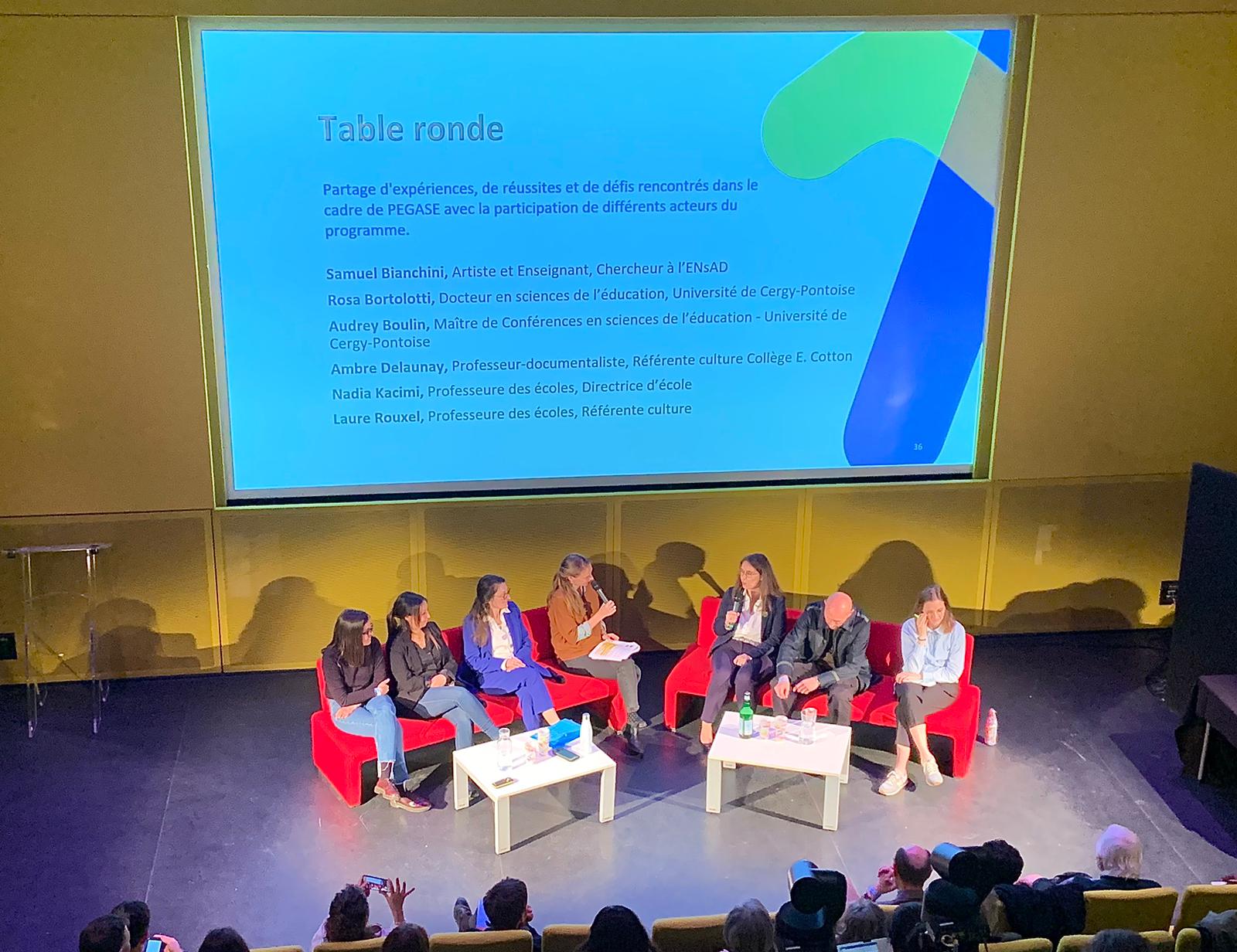
In order to continue this reflection, we are organizing a meeting on April 3, 2024 in Paris with researchers and teams from the Academy of Versailles. Practical information will be published on our website shortly.
The 10 recommendations of PEGASE research-evaluation
- Supporting collective logics
- Faced with wear and tear, strengthen formalized support
- Better define and enhance the status of the Culture referent
- Mobilising initial and continuing training
- Create pairs of teachers
- Diversifying local cultural partners
- Promote shared spaces for the development of cultural actions in schools
- Certify the establishments in which the EAC is structuring
- An impactful program in a favorable school climate
- Promote student ownership of the program
- Increasing the membership process
PEGASE Research and Evaluation
1 fév. 2024 · PDF 12 MB
Synthesis of the research and evaluation
1 fév. 2024 · PDF 1 MB
PEGASE Logbook 2018-2023
1 fév. 2024 · PDF 2 MB