Sustainable food
05 October, 2022
Seven new projects selected in the SAT 2022 call


The Territorialized Food Systems (SAT) call that we have been promoting at the Daniel and Nina Carasso Foundation since 2016 aims to support those projects that design and implement local food policies to move towards a more sustainable food system. The experience of recent years shows that this call has been highly recognized and that the ecosystem has assimilated it. This is the reason why we have received very solid projects this year with a great projection framed in both rural and urban environments. In this edition, seven projects have been selected and we will accompany them over the next few months.
One of the fundamental pillars of the Foundation is sustainable food, understood as a cross-cutting issue that brings together some current and urgent challenges, such as the loss of biodiversity, climate change or social inequalities. With this call, already consolidated, we seek to support projects that share this vision of sustainable food as a driver of change to identify, accelerate and consolidate local Spanish food initiatives of any degree of maturity that are aimed at relocating the different economic and social activities linked to food systems.
“The quantity and quality of solid projects that we have received in this call, both from urban and rural environments, confirms that this is already a mature call and that food policies and their potential for the transformation of the food system are beginning to be consolidated in our country”.
Eva Torremocha - Sustainable Food Line Manager - Spain
In this edition we have looked for initiatives designed for and by the territory in which they are applied and that involve all the agents involved. Among the projects received we find a great diversity and variety in the size of the territories, from municipalities and regions to autonomous communities such as Madrid, Catalonia, the Basque Country, Andalusia or Extremadura, presenting a great diversity of approaches: while some focus on public procurement and collective catering, others focus on the recovery of native breeds and local varieties or on the diagnosis and design of food strategies.
Some of the initiatives received are known to the Foundation since we have accompanied them in previous processes. We are particularly pleased that these projects continue to grow and consolidate in their territories, even extending and offering a leap in scale in their food policies. Together with all of them we will walk between one and two years helping them to identify, accelerate and consolidate initiatives linked to their territories.

“These are, without exception, proposals of great interest and quality. It is motivating to see how several projects received start second, third and even fourth phases advancing in their processes, consolidating their commitment and building on previous learning. And it also greatly motivates new agents to begin to put pieces in their territories and start promising paths for the food transition”.
María Coto, director of the Rural Development and Sustainability line at RED2RED and member of the SAT 2022 jury
Likewise, together with some of the selected projects, we will explore new territories with solid proposals and learn about the functioning of organizations of a more modest size that seek to work with public policies in their territories. We also find it enriching to learn about the emergence of new legislative areas that can be a step forward in the transition towards a more balanced food system for both people and the planet.
In short, we believe that the concept of ‘food policies’ and its potential for the transformation of the food system is a concept that is becoming more and more popular, both in society and in public administrations. The selected projects and their diversity of approaches are an unequivocal example of this.
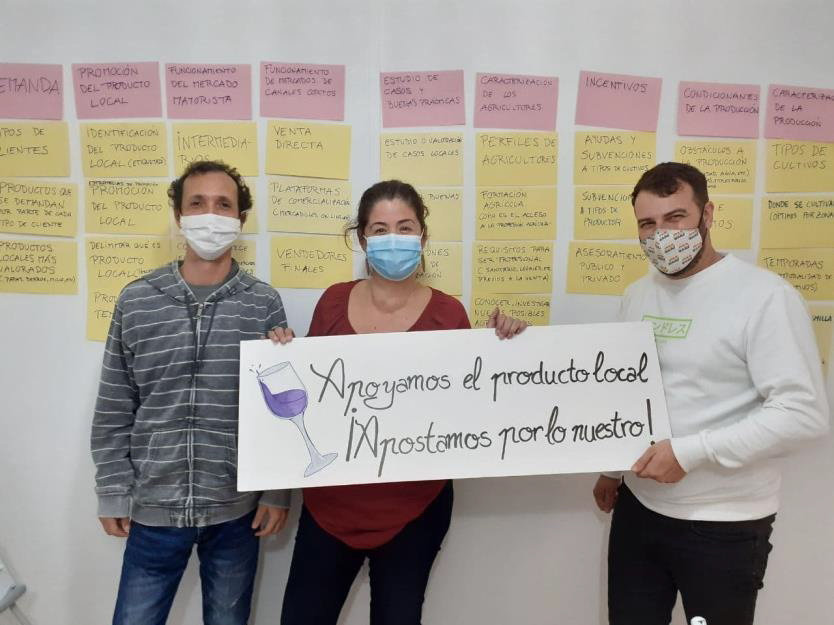
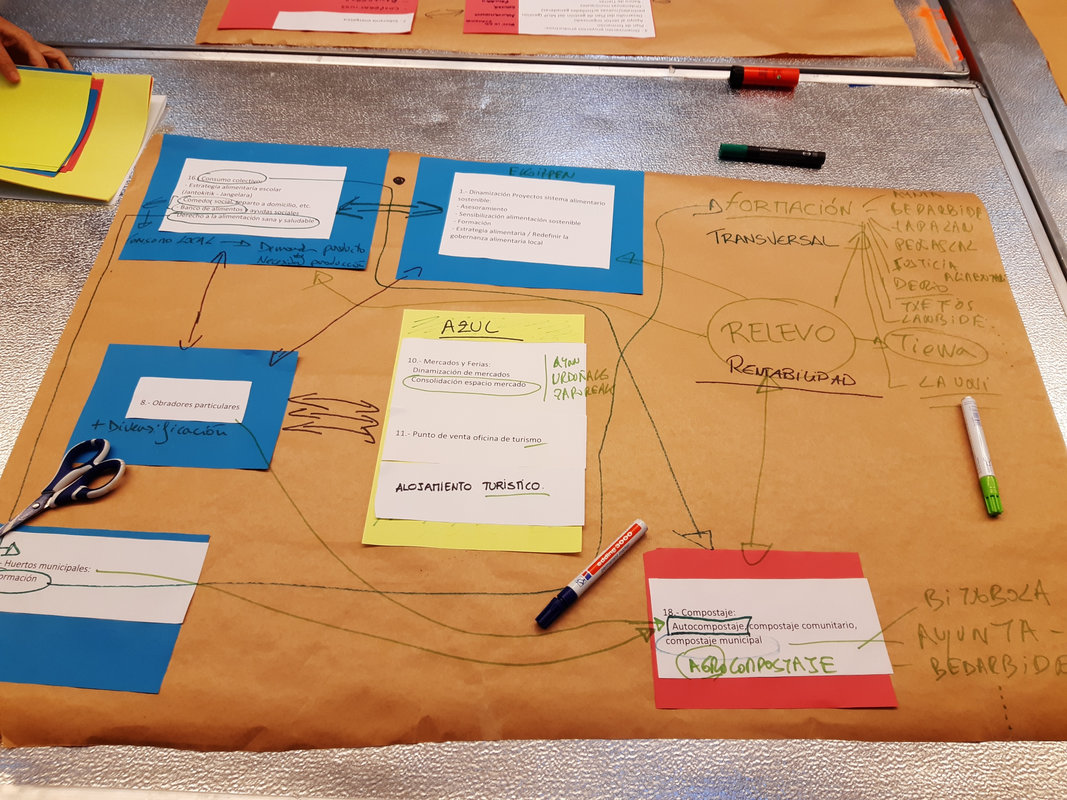
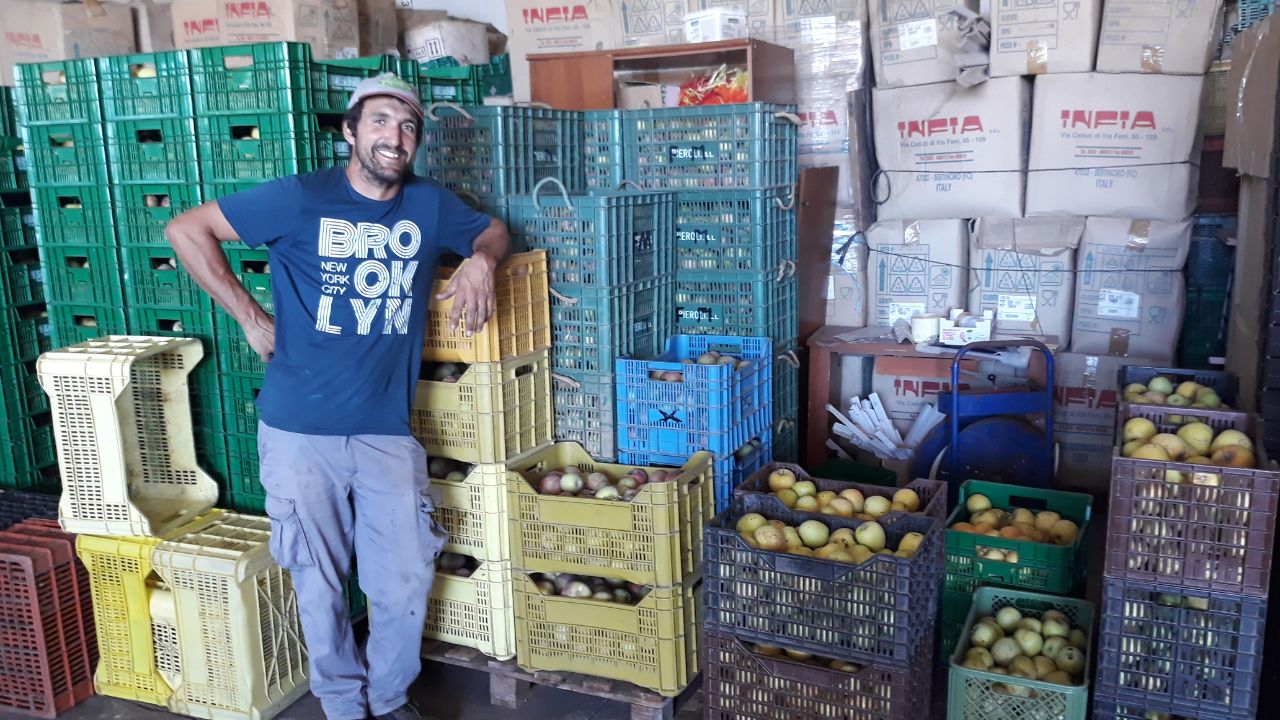
Selected Projects – Territorialized Food Systems 2022
Coexist through the territory. Strategies for the revaluation of small native mountain ruminants
National Association of Breeders of Andalusian White or Serrana Goats – ABLANSE
Jaén, Andalusia
The national association of the Blanca Serrana goat proposes to relocate the consumption of its products to fight against food relocation in rural areas and the progressive disappearance of extensive livestock farming and the benefits that come with it. Together with the associations of Serrana Black Goat (ANCCA) and Montesina Sheep (ACRIMON) and in alliance with the City Council of Huelma, in Sierra Magina (Jaén), they promote the presence of these breeds in the territory both at the level of production and public and private consumption. The project will also analyse the ecosystem services that the grazing of these herds brings to the territory, as well as the synergy between herds by creating indicators for their measurement and monitoring.
Eat Eo. From the garden to the table
University of Santiago de Compostela
Lugo – Asturias
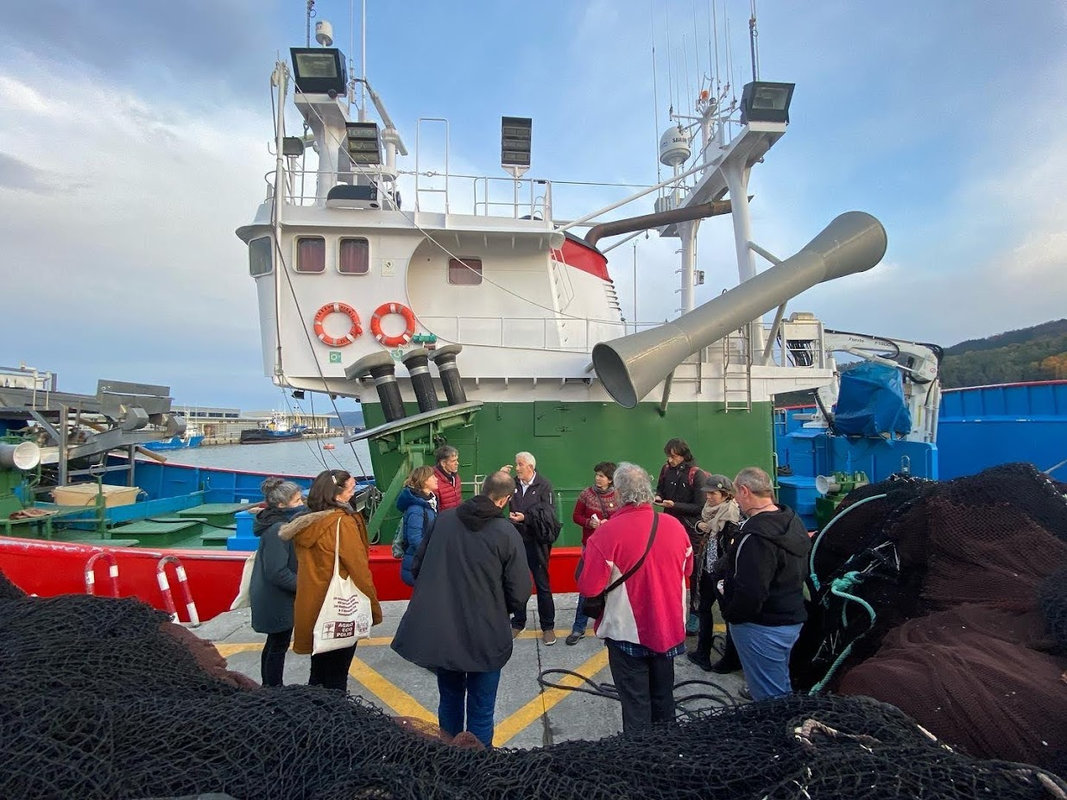
The University of Santiago de Compostela, in collaboration with the City Council of Ribadeo and others in the Eo Basin, focuses the execution of the region’s food strategy on the line of public procurement. To this end, it works, from participatory methodologies and anchored in the territory, both the articulation of the productive sector and the implementation of sustainable food criteria in the purchasing criteria of public and private centers.
Ecocomedores Extremadura. Alliance for healthy and sustainable
school feedingAssociation Landscape, ecology and gender
Cáceres – Badajoz
The Landscape, Ecology and Gender association promotes eco-social transitions in the food system. This project gives continuity to the “school feeding and SDGs” initiative in which a diagnosis was made on school feeding, the basis for the definition of lines of action with canteens in public schools in Extremadura. Ecocomedores Extremadura focuses on social processes and collective intelligence to consolidate, replicate and scale models of sustainable school feeding. To this end, it will consolidate participation processes, promoting collaboration between the different actors in the school canteen ecosystem as well as the exchange of knowledge, experiences and good practices. The ultimate objective is the articulation of all the actors to implement menus and sustainable eating habits in schools.
Inspire territory (Phase II)
Feet on the Earth
Huelva, Andalusia
In a previous phase of the Inspira territorio project, it analysed the causes that limited the recovery of a territorial food system in the Sierra de Aracena despite having great agricultural, livestock and forestry potential. With this second phase, Inspira territorio intends to initiate the processes that will allow the situation to be reversed. Involving the population to change the defeatist narrative about the agricultural profession and turning it into an attractive job option, producers to promote agroecological practices in food production and distribution and local administrations to weave a food strategy that recovers and develops the great productive potential of the territory.
Prat Alimenta: participatory process for a city
strategy Fundació Espigoladors
Barcelona, Catalonia
The municipality of El Prat has a large productive agricultural area. The city council promotes different activities related to food. The Espigoladors Foundation proposes to articulate these actions and complete them to define the municipality’s food strategy and thus expand the impact of each action. It also focuses on building a governance of the process and ensuring the participation of the different agents of the food system both in its definition and in its execution.
Weaving the Pantry (Phase II)
Cederna Garalur
AssociationNavarre
In 2020, the Cederna Garalur Local Action Group carried out a diagnosis of the food system of the Merindad. This mountainous territory includes 3 very diverse and complementary regions from the agri-food point of view. Based on this diagnosis and from the perspective of the Bio-region, the project will relocate the different stages of the food system. To this end, on the one hand, it promotes synergies and complementarities between agents of the system and, on the other, activates local demand. All this under the coordination of the participatory food governance bodies launched in phase 1.
The final objective is to articulate the resources, initiatives, supply and demand that they have in the Merindad de Sangüesa to shape a local food model.
Territori Horta (Phase II)
CERAI – Center for Rural Studies and International
AgricultureValencia, Valencian Community
Phase 2 of the Territori Horta project focuses on expanding the radius of action of the work carried out in the municipality of Valencia in order to cover the metropolitan-regional food system and thus incorporate the production of the Huerta into the territorial dynamics of the food system. The project strengthens the local productive sector by articulating local production and consumption dynamics (agroecological markets, consolidating and expanding the activity of the Ecotira cooperative collection centre located in Mercavalència that supplies schools linked to the Horta-Cuina Programme) or by articulating policies and initiatives for access to land. It also focuses on the transfer of knowledge and experience acquired in the participatory governance formats of the food councils previously established to ensure participatory governance of the transition of the local food system.
The jury of this edition was composed of:
- Viviana Urani, co-founder and director of Programs and Communication at UpSocial and vice president of PRISMA
- María Coto, director of the Rural Development and Sustainability line at RED2RED
- Daniel López, senior scientist at the Institute of Economics, Geography and Demography of the CSIC
- Daniel Gaitán, researcher at the Institute of Environmental Science and Technologies, Autonomous University of Barcelona (ICTA-UAB), and Daniel Carasso Fellow 2021
- Eva García, parliamentary advisor to the Ministry of Consumer Affairs
Territorialized Food Systems will be one of the topics that will be discussed in unoconcinco, sustainable food meetings, an event that will try to facilitate dialogue and promote collaboration with the common goal of the transition to sustainable food in Spain and that will take place on November 27 at La Casa del Lector in Matadero Madrid.