Socially engaged art
25 October, 2019
Concomitentes, an art platform from civil society, is born


On Tuesday, October 22, Concomitentes, the Spanish version of the French initiative Nouveaux Commanditaires, a program that promotes artistic commissions with a social vocation, was presented in the auditorium of Medialab Prado in Madrid.
For 5 years we have been passionate promoters of the Nouveaux Commanditaires initiative in Spain. Indeed, as Isabelle Le Galo, director of the Foundation for Spain, explains, “from the beginning of the Foundation in Spain, in 2014, it seemed to us that this programme, which we knew in depth due to its close link with the Foundation of France, resonated in a particularly interesting way with the social and political moment we were experiencing. During these years, we have been working from the Foundation with many agents and people committed to the social role of art and the importance of cultural mediation to build a better society”.
From 2018 onwards, we guaranteed the long-term financing of four projects geographically spread throughout the country, as well as the organisational structure that encompasses and accompanies them: Concomitentes, a model focused on allowing the future collaboration and co-financing of any agent interested in these dynamics and without further prominence of the Foundation.
With its public presentation at Medialab, the programme begins its dissemination work while preparing the selection of the artists who will accompany each project. “We have presented Concomitants with their first four projects in their incipient stage, together with their clients, in order to reveal the internal processes of each one,” says Sören Meschede, project coordinator: “Our interest is not only in the creation of a work of art as a final result, but also in the mediation that is the basis of all concomitances.”
Adaptation to the territory
In Spain, Concomitentes was born as a non-profit association and promotes the production of works of art that propose a solution to a need of a community and its environment. It invites civil society groups to become citizen promoters (commissioning parties) of a work of art, as well as accompanying its creation and negotiation process throughout the project (concomitance).
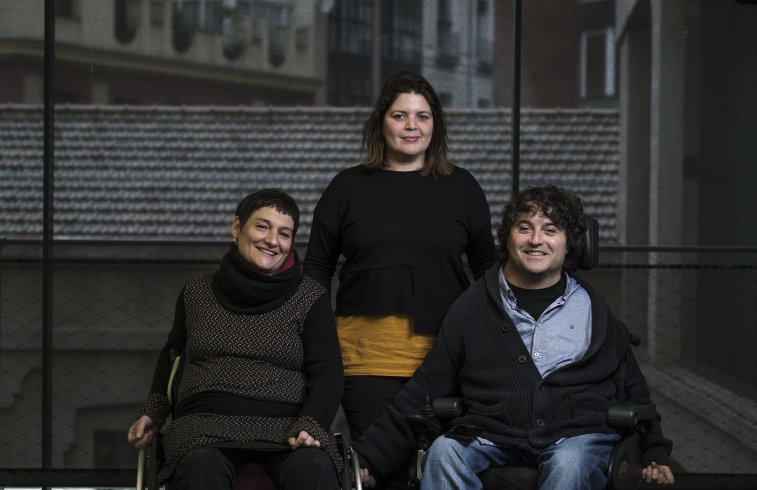
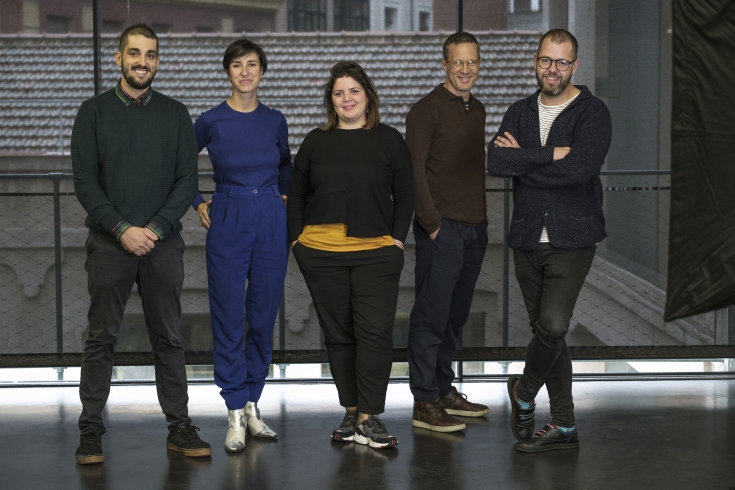
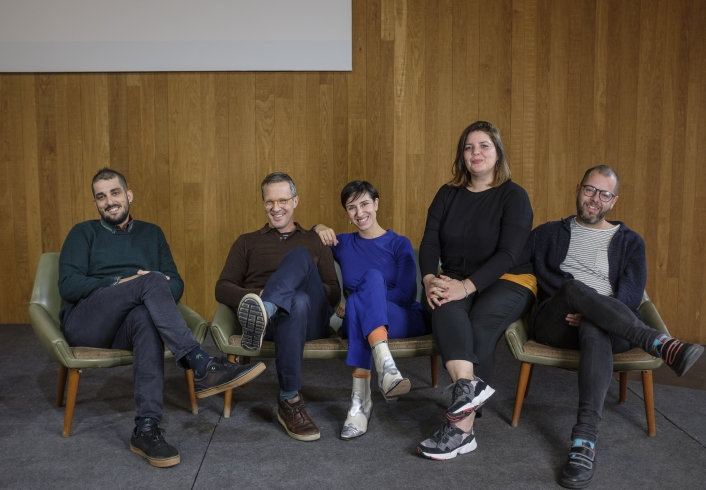
The group is made up of Felipe G. Gil (ZEMOS98), Verónica Valentini, Fran Quiroga, Julia Morandeira and Sören Meschede. While Sören Meschede is responsible for the overall coordination of Concomitants, the following four mediators act as ambassadors for the programme in their respective territories and with each of the projects:
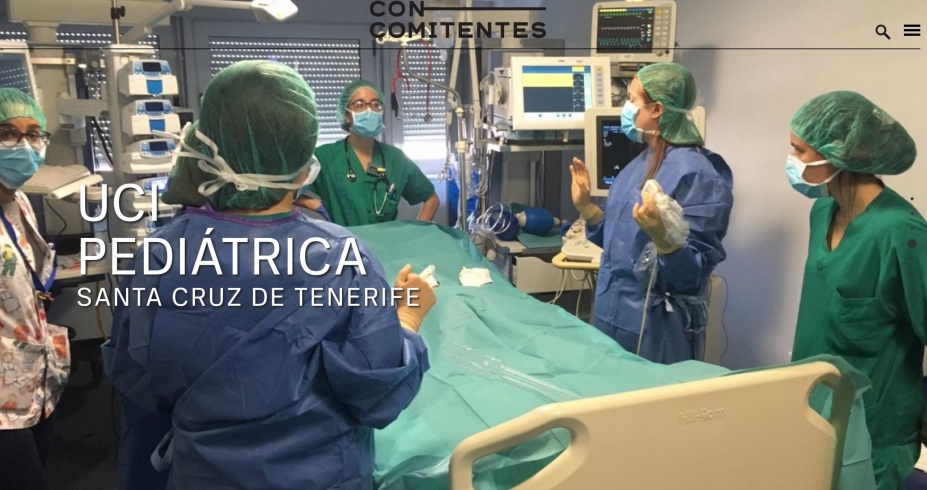
- Felipe G. Gil collaborates with the nursing staff of the paediatric ICU of the Nuestra Señora La Candelaria Hospital in Tenerife, united by the desire to improve the emotional management of patients admitted to its ward.
- Fran Quiroga works with several groups of residents of Betanzos, on the legacy of the García Naveira brothers, important patrons and emigrants of this Galician town where, among other projects, they created the Parque del Pasatiempo, currently in a state of semi-abandonment.
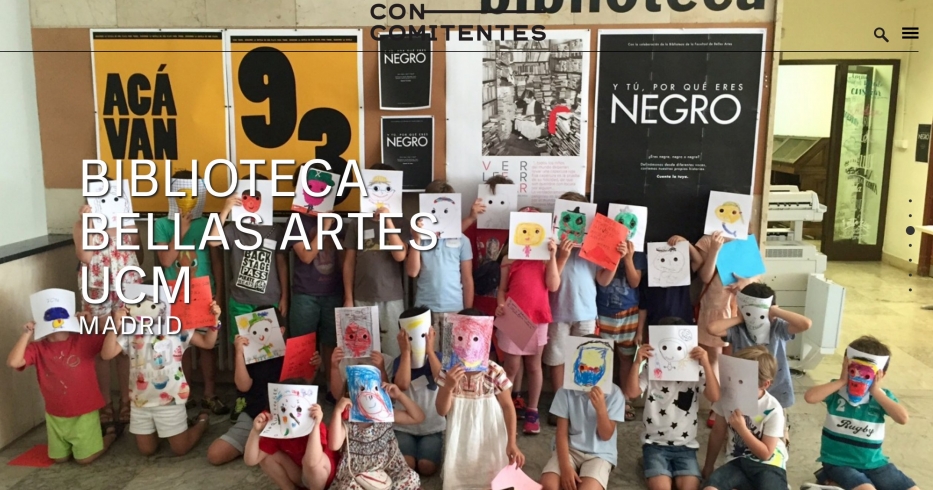
- Julia Morandeira accompanies the staff of the library of the Faculty of Fine Arts of the Complutense University of Madrid to rethink this space and its services, thus reflecting on the future of knowledge production, the university institution and artistic research.
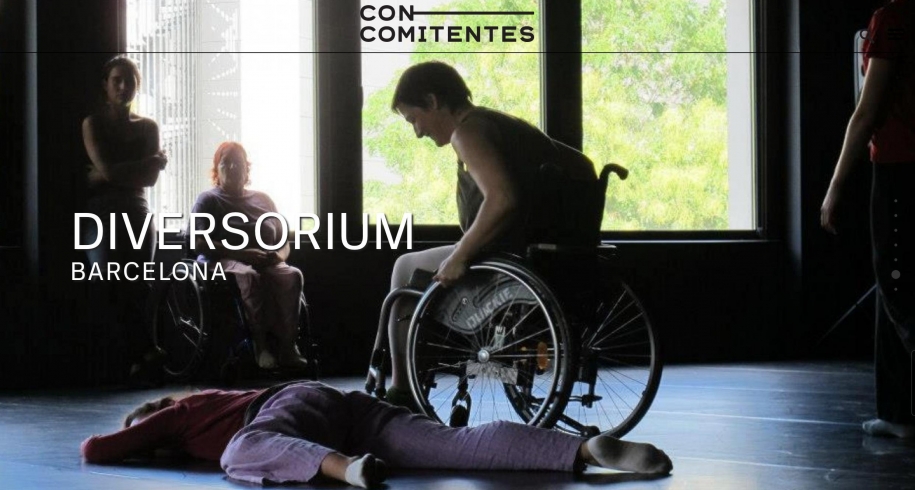
- Veronica Valentini works in Barcelona with a group of activists in favor of functional diversity in processes of empowerment of these communities and fight against social stigmas.
A methodology with impact
The methodology used was developed in 1990 by the artist François Hers and since then it has had an enormous social and cultural impact, giving rise in the last 25 years to more than 500 projects in various countries in Europe and the world (Africa, America). Nouveaux Commanditaires, a programme that promotes the global development of the initiative from the Fondation de France, started the first projects in 1990, and by the 2000s its network was already active in Belgium, Switzerland, Italy and Germany. In each country, the initiative takes its own form, looking for a way of working adapted to its context, but always maintaining its basic methodology.
How does Concomitentes work?
Any citizen group (commissioning parties) with an idea or a desire for their community and with the interest of dealing with this issue through a work of art or artistic creation, can contact the association. The first phase begins with the presentation of a proposal that is discussed and evaluated. If it is concluded that there is a real interest for the context and that the group of principals is consolidated and committed, a mediator accompanies them until the end of the concomitance process. Together, a commission to an artist is outlined, selected for his work in coherence with the commission.
Works as tangible as the construction of a dovecote or the reform of a school, public sculptures, video pieces, musicals, or immaterial works have been carried out that survive beyond the people involved, connecting with all citizens.
More than a negotiation process
The conversation around the future work generates a new space for exchange and communication between the different social actors who listen to new opinions and collaborate with artists, which offers them the possibility of contemplating their context from a new prism.
The mediators help to outline the initial proposal, suggest artists, coordinate the production and intercede in the negotiation to ensure that the concomitance reaches its objectives. They have great knowledge of art and a special sensitivity to intermediate. They know the social context of the projects and are in contact with the different agents that operate in it, from the administrations to neighborhood initiatives. They listen, investigate and, based on this experience, they also detect proposals to be developed.
Do you want to be a client?
We can all become a client: all it takes is an idea and the desire to make it a reality. They can be from a popular association to a neighbourhood initiative, through colleagues, or a collective united by a common cause such as the motivation to resolve a conflict, reactivate a square that was emblematic, remember a historical event, or improve living conditions. All these ideas were at some point the trigger for a group of commissions to formulate a commission and make it a reality.
Are you up for it?
© Photos Guillermo Gumiel


