Socially engaged art
21 November, 2023
Remediar II: a sharing and new horizons for the MAR platform


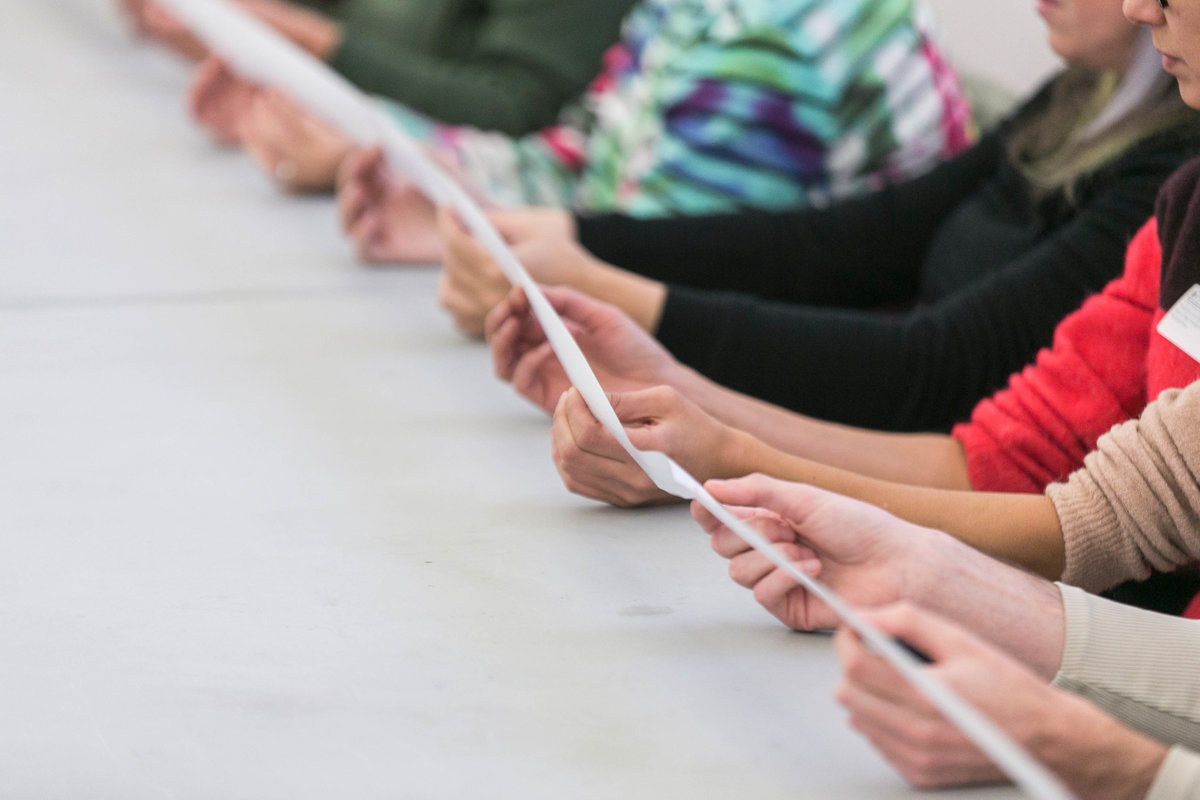
On November 7, at the Reina Sofía Museum in Madrid, we celebrated the second edition of Remediar, a meeting organized by the MAR platform in which we share the latest advances of the three nodes that make it up: ALZAR, CAJA and NOTAR. The occasion allowed us to learn first-hand about the current situation of MAR, an initiative that we promote from the Daniel and Nina Carasso Foundation, together with the Museo Nacional Centro de Arte Reina Sofía and hablarenarte, and which promotes a paradigm shift in cultural mediation and cultural institutions as a tool for social transformation.
At the beginning of November we held Remediar II, an occasion to evaluate the work carried out by the MAR platform so far in each of its three nodes and to jointly decide our next steps. The meeting served as a space for dialogue and exchange in which agents who have been involved in the MAR platform at different levels since its launch participated. In addition, it was an opportunity to learn more about the work that is being carried out in each of the three nodes in which the platform is structured: ALZAR, CAJA and NOTAR.
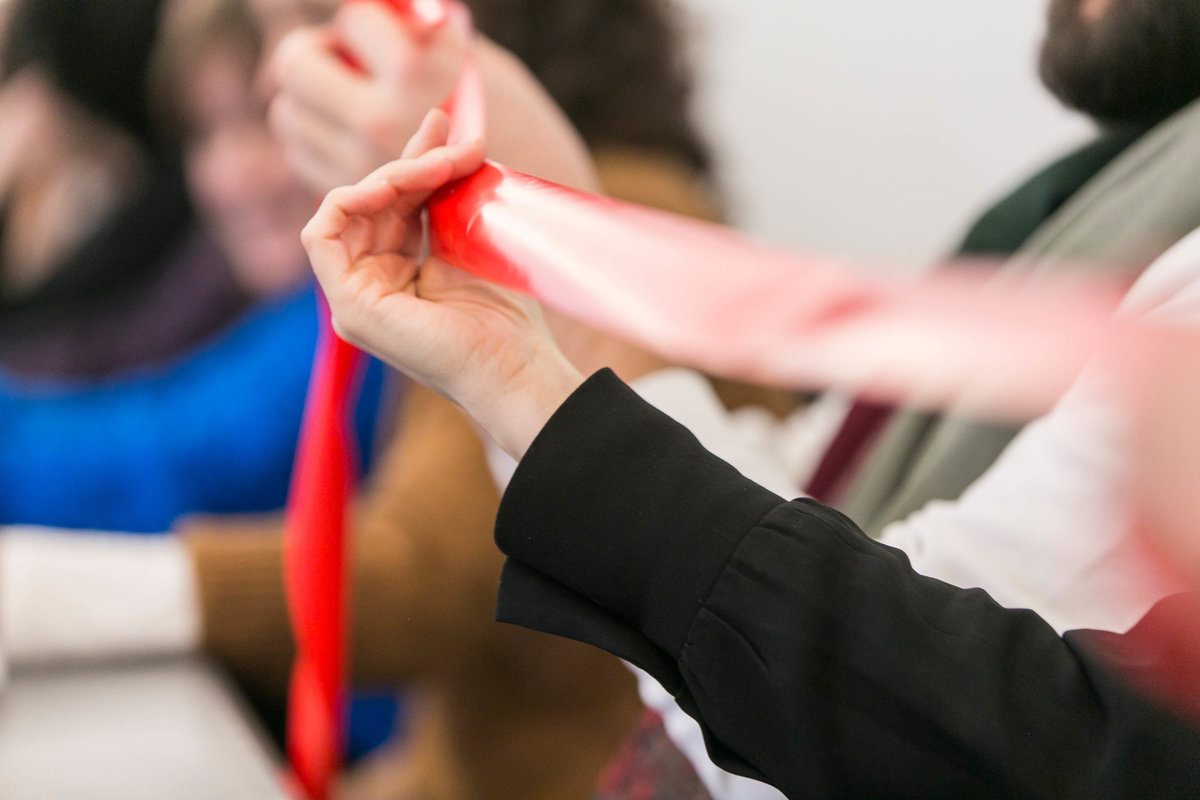
Taller Placer was in charge of guiding us throughout the day with a dramatized proposal that put our bodies to play ideas, documents and research proposals, experiencing them from the senses and not only from the data and the theoretical plane, with an itinerary that allowed us to learn about the experiences, findings and proposals that have been developed in each of the nodes.
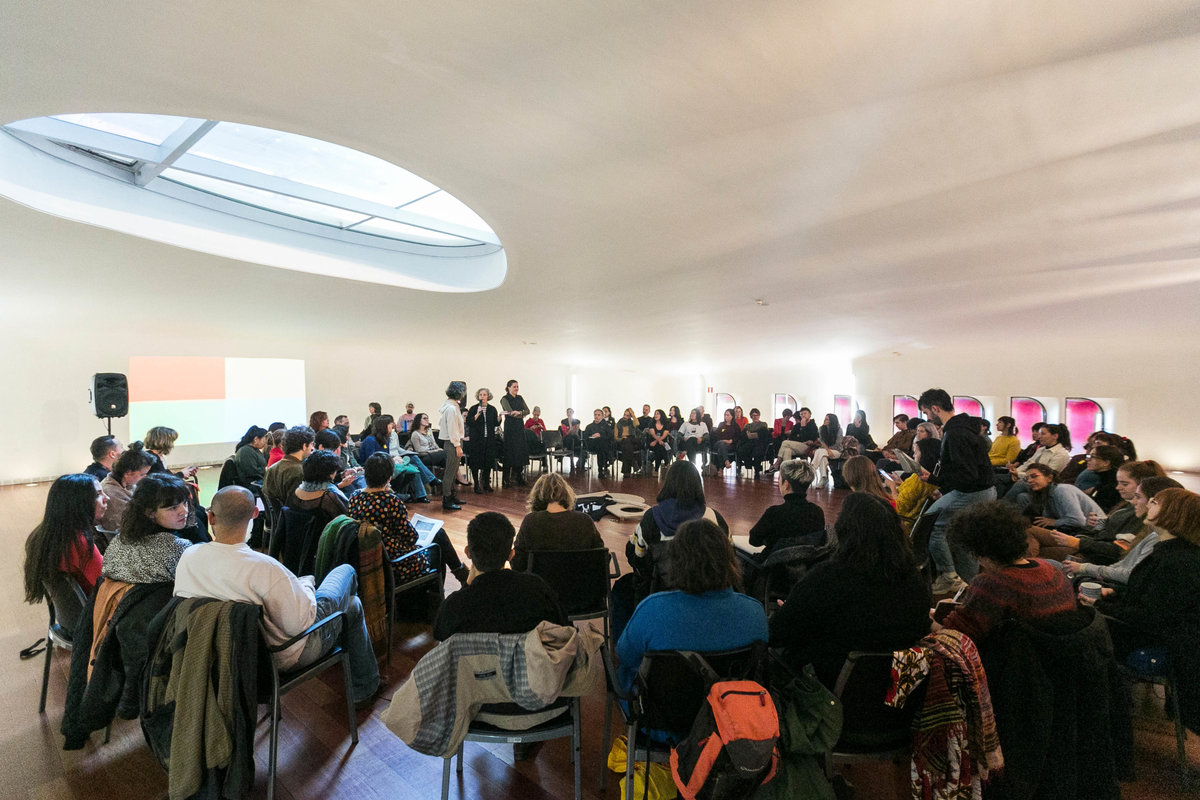
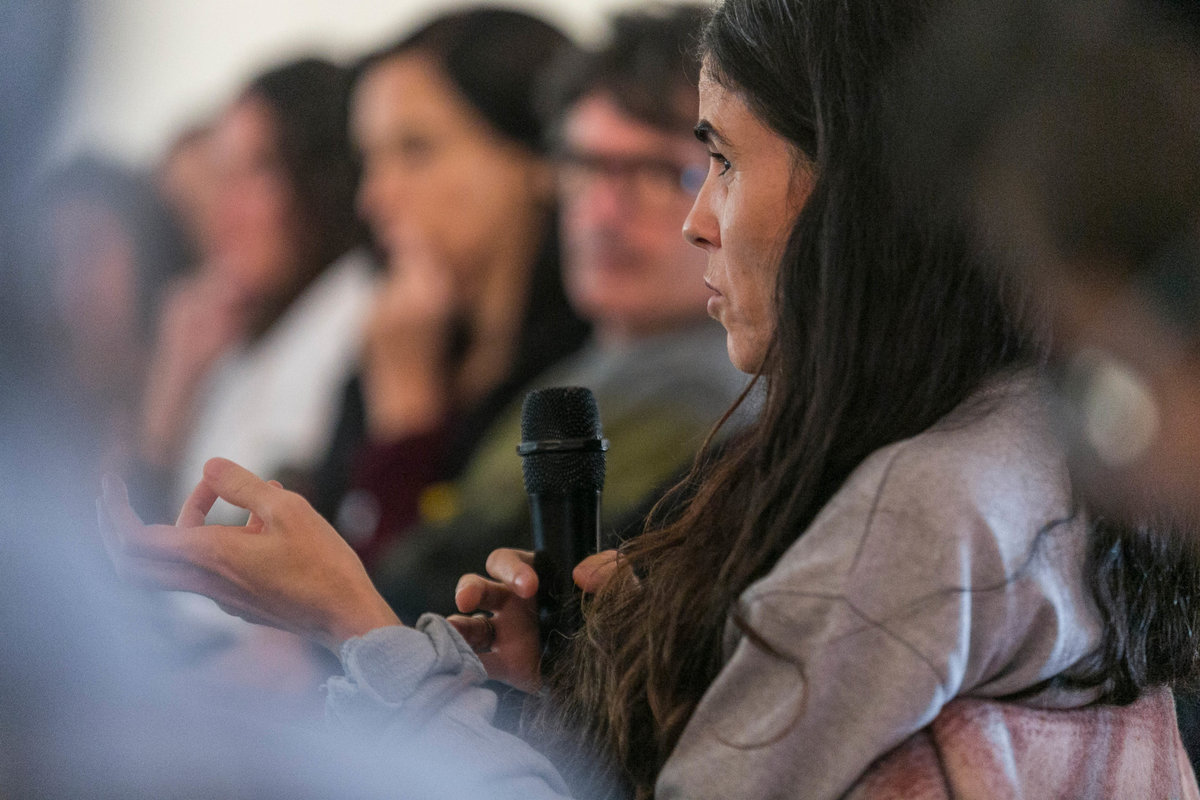
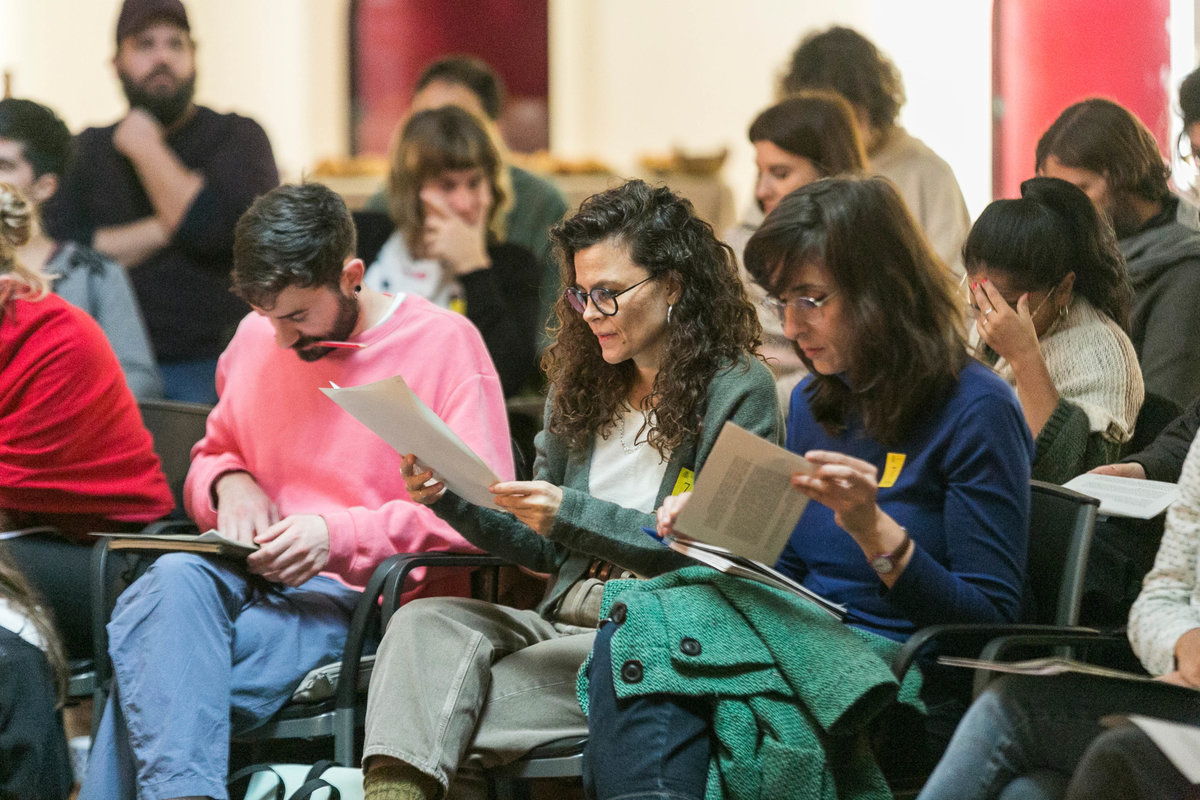
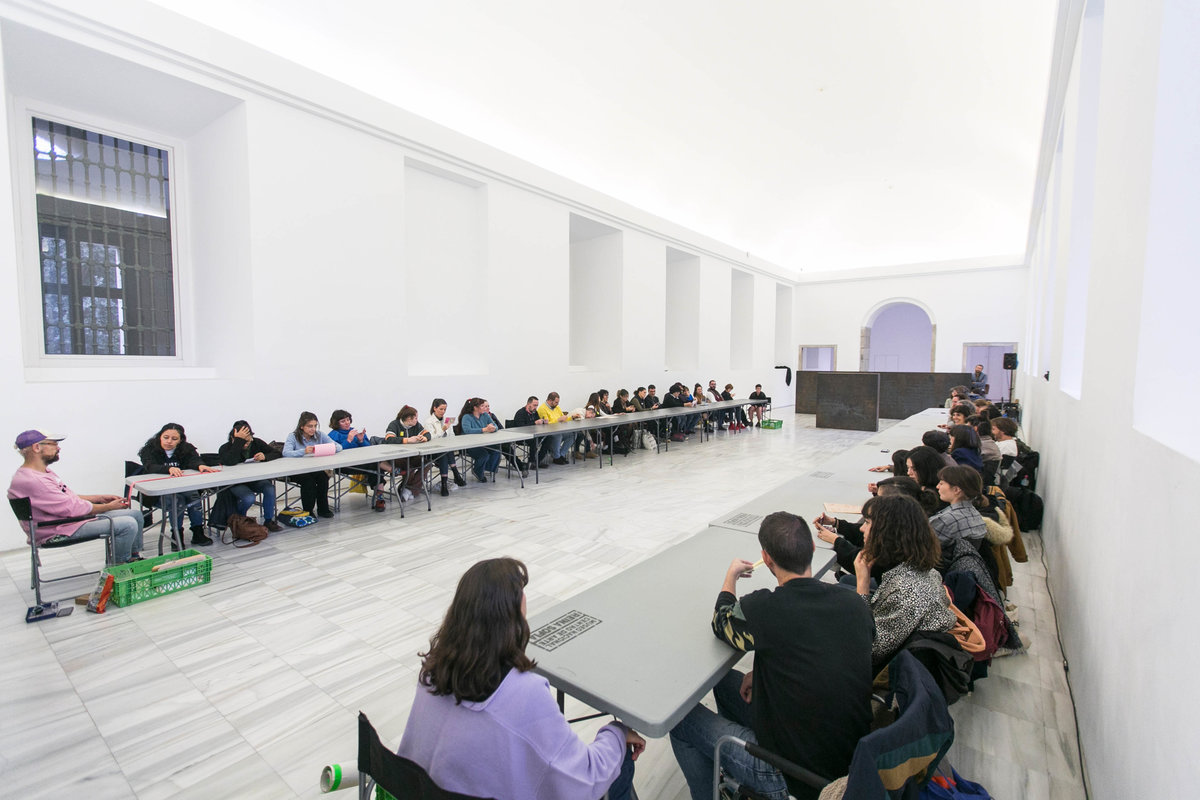
The day began in the Nouvel Protocol Room with the presentation of the meeting by Lucía Casani, general director for Spain of the Daniel and Nina Carasso Foundation, María Acaso, head of the Education area of the Reina Sofía Museum, and Flavia Introzzi, head of the hablarenarte association and founder of the artistic residency program Planta Alta, in which they shared the objectives of the MAR platform since its creation: to promote relevant actions of change in contemporary cultural institutions that allow for a more connected and empowering artistic practice with citizens.
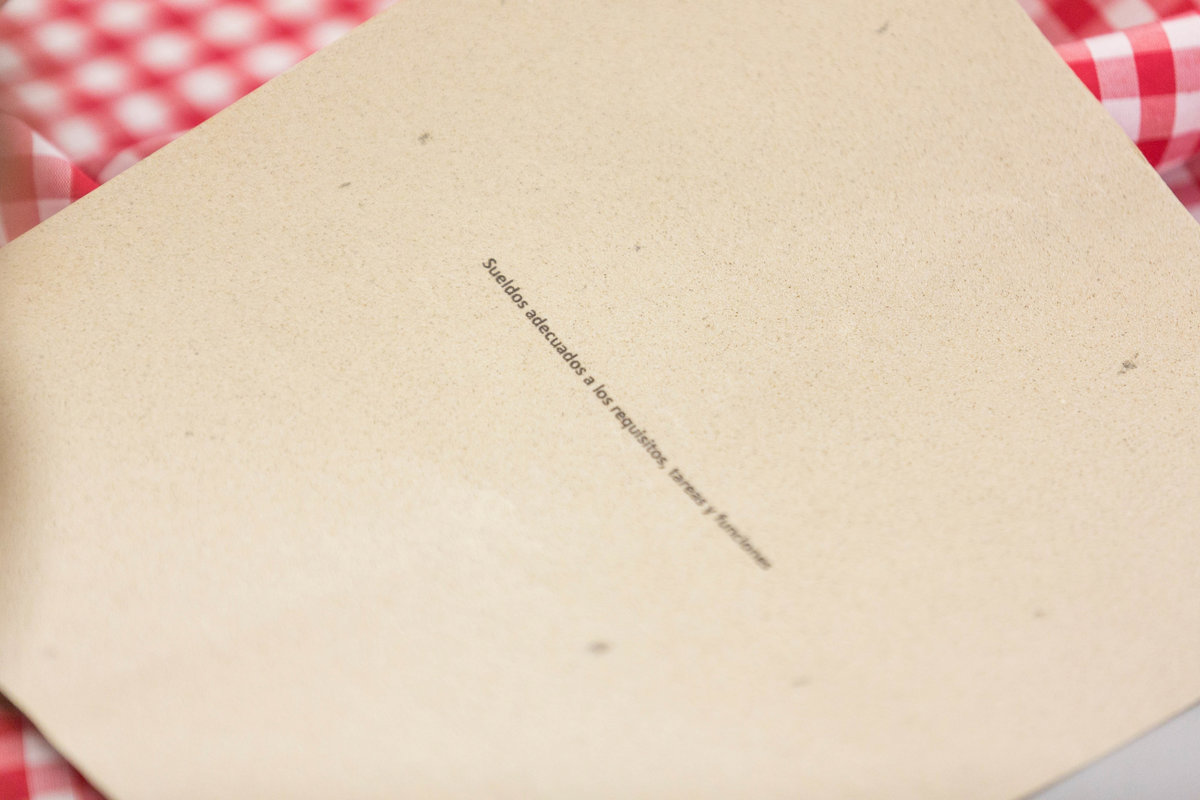
The first block of the day was dedicated to ALZAR, a node that is configured as a meeting space with various cultural agents related to mediation. This session sought to generate a space for exchange to get closer, get to know each other, share knowledge and raise our voices together. With the accompaniment of Cristina Sáez, head of Citizen Art programs at the Foundation, the session tried to detect the most relevant challenges facing the sector and seek solutions from a common prism. Thus, the report “A place to meet” addressed the material conditions of people who work in the field of mediation, thus fighting against the situation of generalized precariousness in this group. The speech focused on what the “fair bidding” model would be like, improving the conditions of mediators. On the other hand, Reto-mar was conceived as a space to address and question different methodologies of archiving and memory production, launching the idea of making the conservation and documentation of good practices an experience of mediation, generating a meta-archive of practices. Finally, some future proposals were analyzed that explored possible models of organization, governance and new institutionalities giving continuity to MAR.
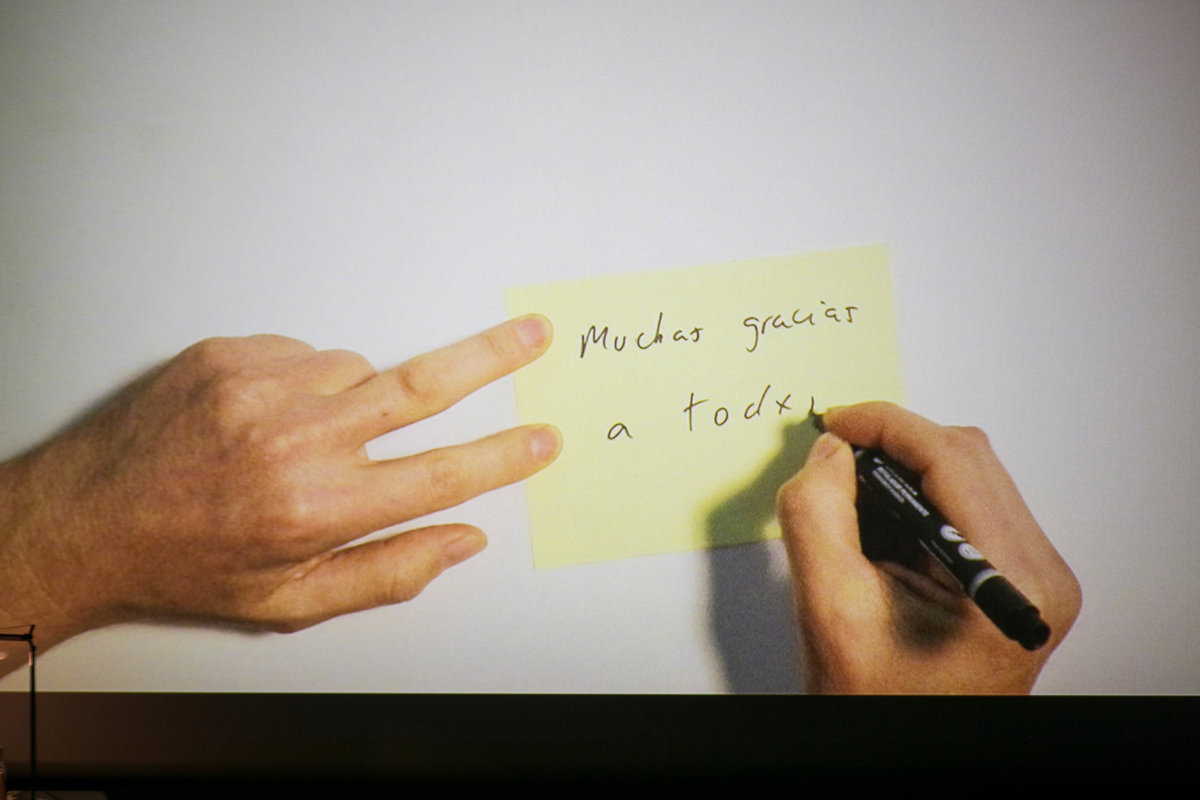
The second block was dedicated to the CAJA node, the digital archive of the MAR platform. This archive, in constant construction, is conceived as a tool in which to bring together previous experiences with cultural mediation, thus responding to the historical problem of the lack of documentation and archives that build a common memory. These elements (written, audiovisual and sound records collected on the MAR platform) are the ones that were “dedigitalized” in the immersive experience that took place during the Remediar II conference. An archive is not only a repository, but it is an active space where memory is built and that is linked to others, thus generating a network to which the community itself gives life and meaning. This entire digital archive can be consulted on the new website of the MAR platform that was presented at the end of this block.
NOTE is the research residency program of the MAR platform. Thus, in the last part of the day, the results and processes of the projects carried out in its second call were presented. The five residencies selected this year have been developed in person in the Upper Floor space and have aimed to promote research in cultural mediation, in an international framework of work and dialogue with the lines of research proposed in the call. Thanks to a film device of images, the different projects were showing the processes and experiences developed during their residency, including the coexistence and exchange between residents and the city’s own cultural ecosystem, since these processes are permeable and linked to the community.
Through an accompaniment program generated by hablarenarte, the residents have carried out five projects. Iceberg, by Manuela Pedrón Nicolau and Jaime González Cel, proposes to analyse the role of the museum as a mythological agent and develop it as a tool for measuring the museum.ation. Membrane by Marta Fernández Calvo and Daniela Ruiz Moreno, consists of a listening device and a connectivity structure that allows for the configuration of alternative forms of care, participation and presence of groups at risk of exclusion in the contemporary cultural and artistic scene. GAC – An Archive on Mediation Practices in Central America, by Margarita Sequeira, is an exercise in research and the creation of a cartography and a projector archive of artistic training in Central America. Die well, by Paz Rojo, was born from the desire to avoid the exhaustion of the future in order to extend our time horizons towards a sustainable present. Naming Policies, by Dagmary Olivar Graterol and Paola de la Vega Velastegui, consists of the search for new forms of organization and cultural and artistic practices in a linguistic, political and epistemic gesture of migrant and racialized collectives in Madrid.
If the first edition served to make the existence of the platform present, Remediar II has outlined its future with a new roadmap that will mark the future of each of its nodes. We hope that what we have learned so far, the wishes expressed and the enthusiasm shared among the participants of this day, will allow us to continue strengthening the cultural mediation sector and that the network will be consolidated at the national level.
Photographs: Estudio Perplexo
Call for Notary III