Socially engaged art
24 May, 2023
We present the new DESPACIOS Notebook, from the PLANEA Art and School Network


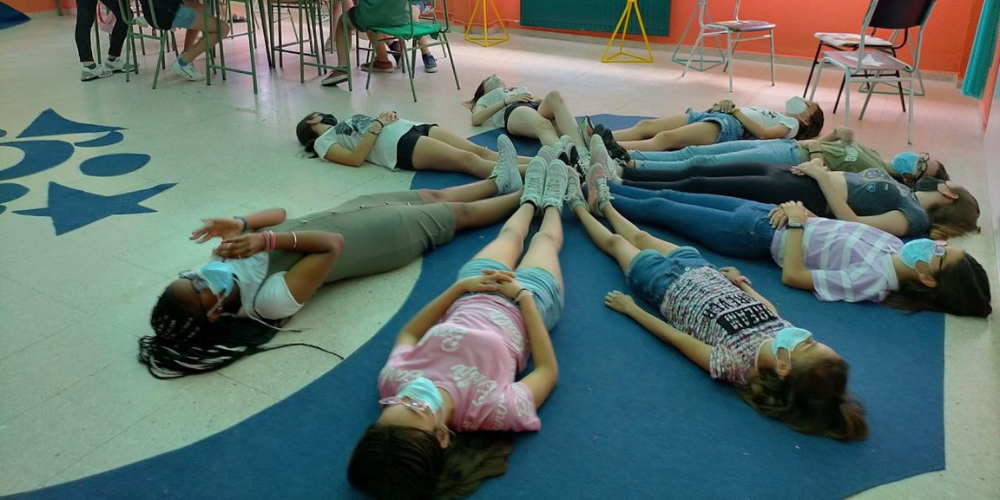
PLANEA, the Art and School network that we promote from the Foundation, has published the DESPACIOS Notebook developed during the 2021-2022 school year. This is the second Notebook published by the network which, this time, presents 16 practical cases of public schools that have launched projects to modify their spaces in collaboration with artists, facilitating new perspectives and pedagogical uses.
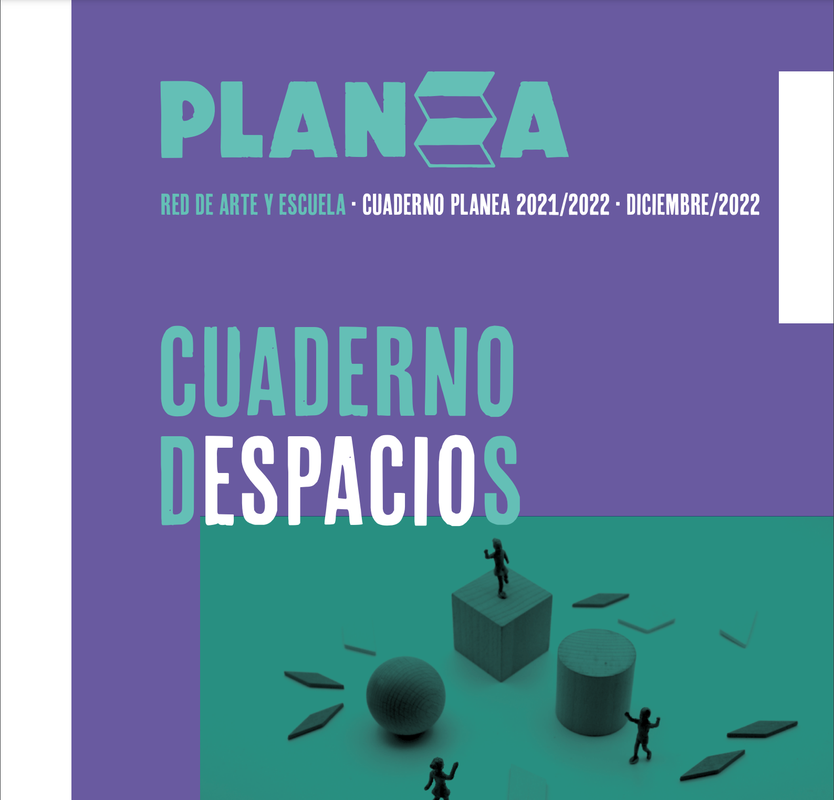
PLAN DESPACIOS Notebook
From physical space as a container for educational activities to the use of space as educational material
24 May. 2023 · PDF 11 MB
We suggest a trip to the CEIP Huerta de Santa Marina (Andalusia). If we pay attention we can hear a group of schoolchildren chatting with members of the cooperative of architects Cotidiana. They have started from the idea of the five skins of the Austrian artist and architect Hundertwasser, which invites us to rethink the way of being in the world, according to which the first layer is the epidermis, the second clothes, the third identity, the fourth skin and the fifth the earth. Children are questioning the ventilation of their own classrooms and, by proposing a transformation of the use of the playground, they recover a simple and bioclimatic solution: lattices.
This is just one of the experiences collected in the new DESPACIOS Notebook, From physical space as a container for educational activities to the use of space as educational material, the second published by the PLANEA Art and School network, which has been developed during the 2021-2022 academic year with the help of a research team formed by Santiago Atrio Cerezo, Alma Azagra Solano, Sofía Coca Gamito, Jodie Dinapoli and Clara Megías.
This study, whose theme is intervention in the educational spaces of the centers, has been motivated by the number of PLANEA member schools that have shown interest in addressing a transformation of spaces at different scales: rethinking the use and limitations of school playgrounds, improving classrooms to transcend certain pedagogical or climatic barriers or redesigning common spaces as strategies to improve coexistence. are some examples.
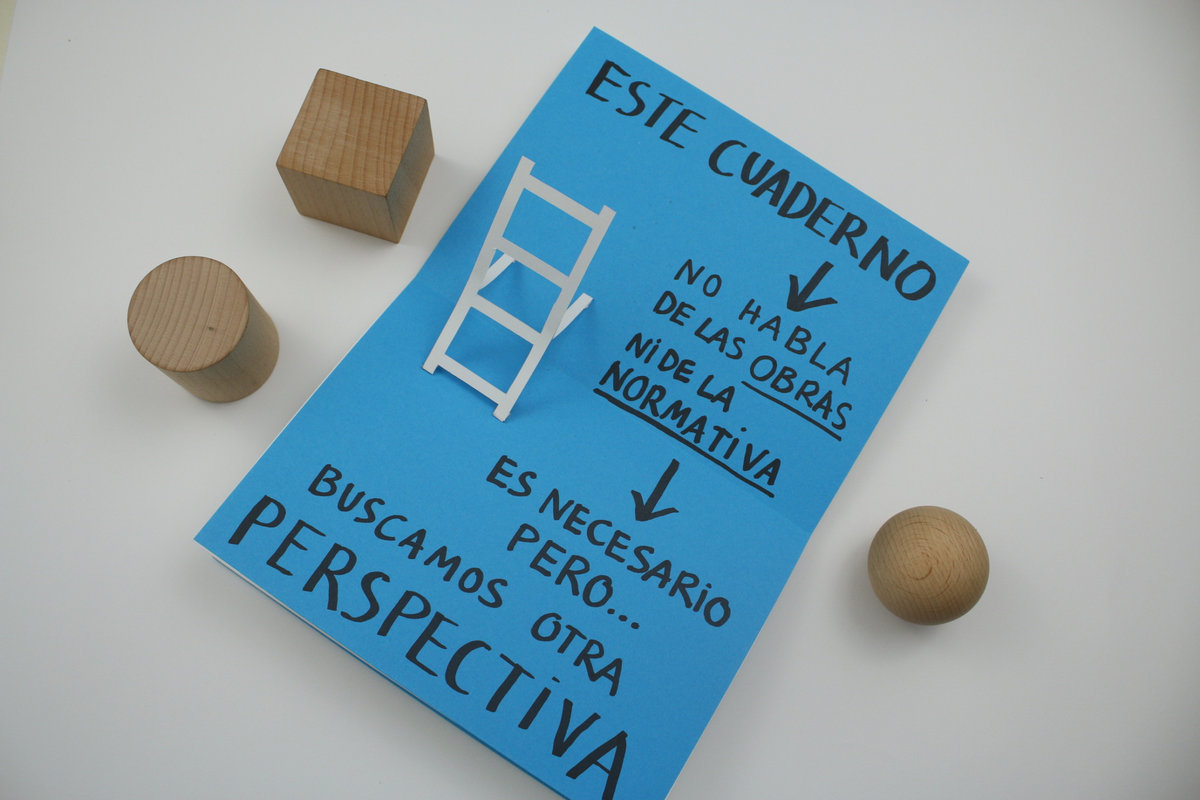
Therefore, this Notebook has the vocation of thinking about space in its relationship with art as something that goes beyond its ornamental character: the medium that makes learning possible and that is, therefore, consubstantial to it. In addition, its publication also responds to the network’s interest in generating a Working Group for each school year that is responsible for the research and consolidation of certain learning in a format inspired, among others, by the Carasso Notebooks.
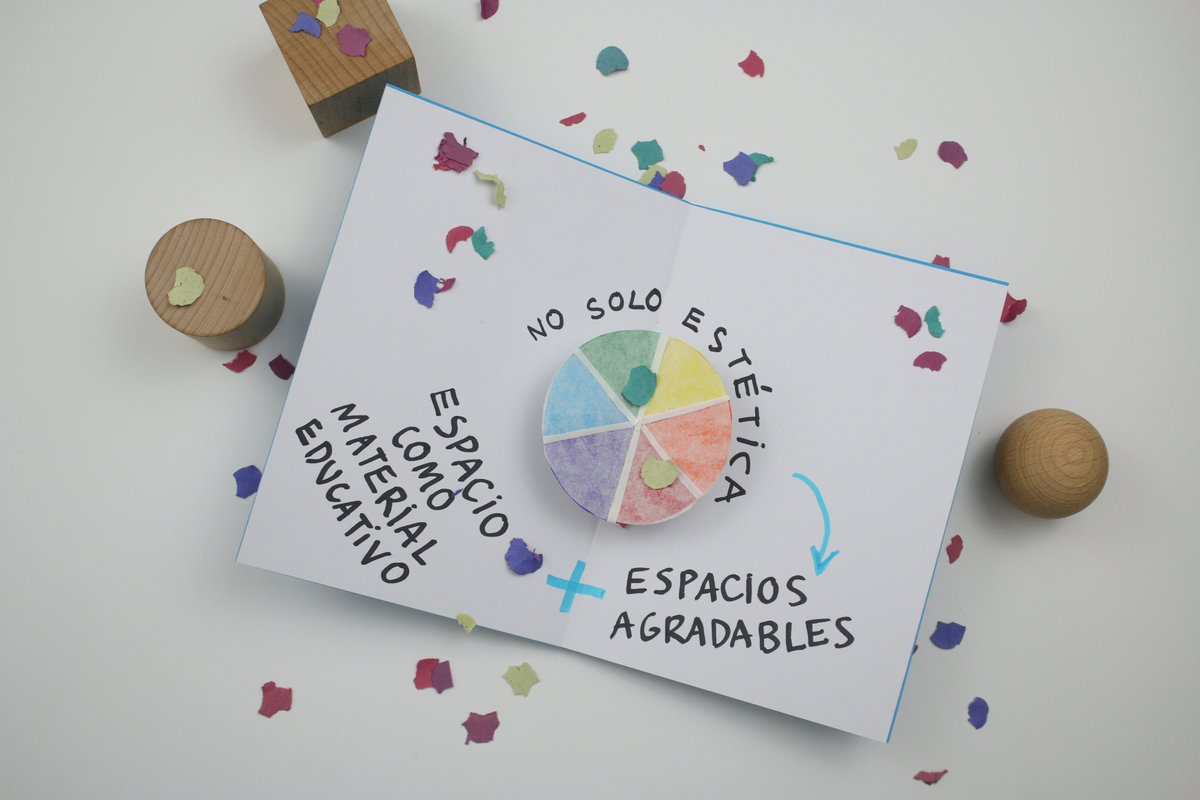
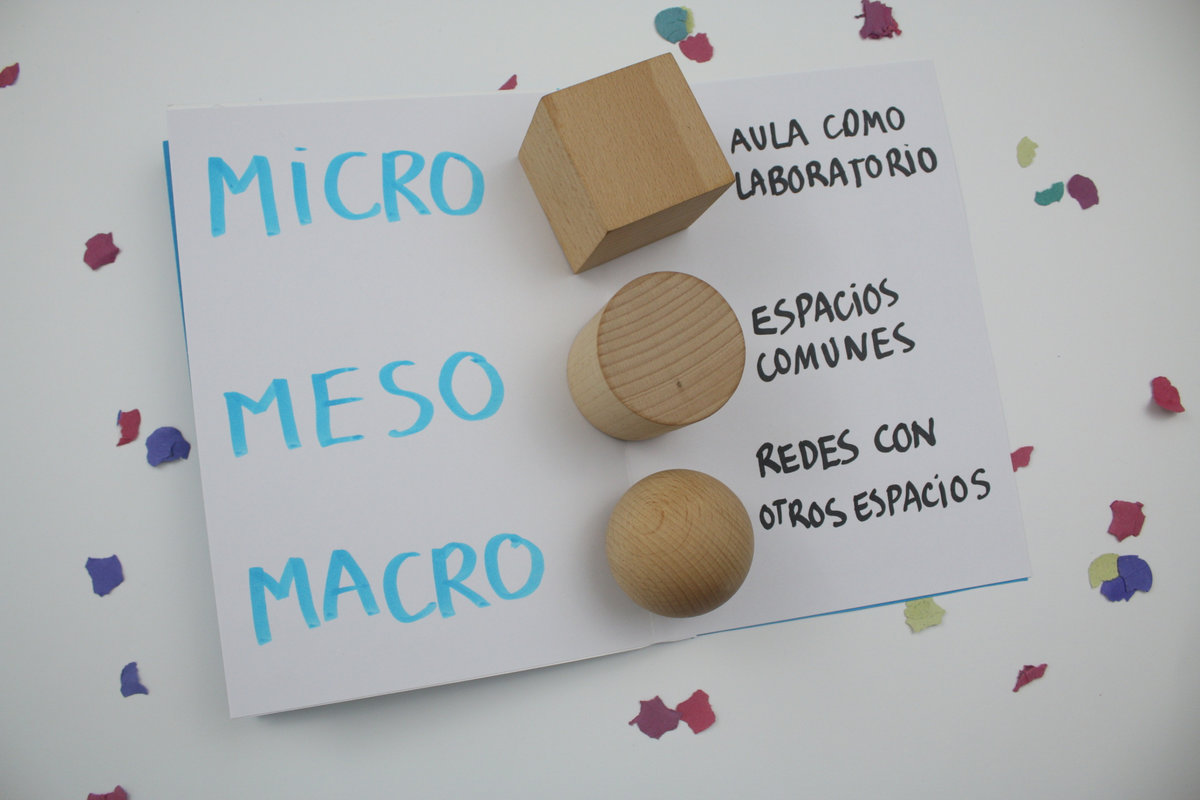
Reflections, case studies and art to detect, analyse and transform educational spaces
This PLAN Notebook is divided into three parts, all of them with the aim of proposing tools and showing learning that can make visible the problems of educational spaces and also inspire the space as a pedagogical element that is sometimes not taken into account.
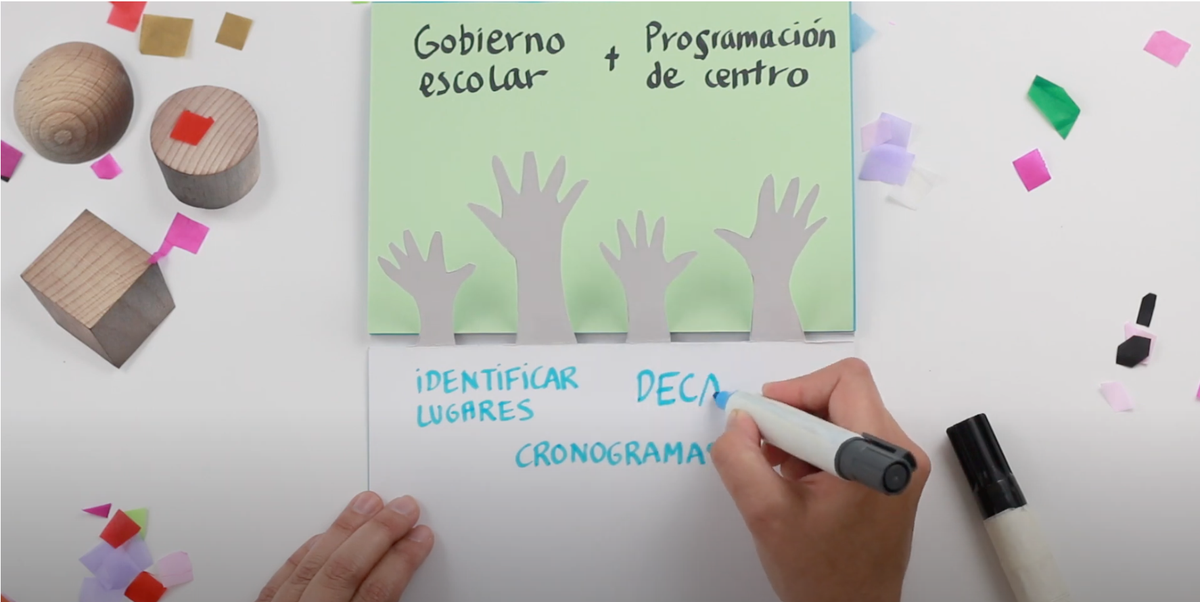
The first part, “reflections on space“, situates the theoretical proposal in four different phases. The first raises the question of where to start if we want to look at space as an educational element; the second addresses space as an educational component to be taken into account; the third focuses on the cataloguing of the spaces that allows us to analyze what happens to each of them in the classrooms; and the fourth reflection is an indicative decalogue on how a workshop could be developed in each educational center to generate the necessary space for reflection and design in the centers before going to technicians or specialists.
The second part, “case studies“, is a representative sample and a report of experiences of each of the nodes of the network that, through interviews with artists and creative collectives, and through the reading of the materials generated during the development process of these projects, exemplify some of the possibilities of space as a pedagogical element.
The projects selected for the preparation of this Notebook have been the following:
- CALAIX
- Play C.E.S.TO
- Experimental classroom
- Open Nest
- Filomena was worth it
- Remoblar l’espai
- The interser garden
- Transforming spaces. Inclusive signage. Signage as a bridge of communication
- My school also breathes
- River-cARTima
- Dansa i no gènere: cos i espai
- My third skin
- Map in femini. Artists and crafts of the neighborhood
- Education for the future
- SANJOMIX BAND/KLEOS SANTA MARINA
- Expanded School
The third part, entitled “Art to detect, analyse and transform the invisible pedagogies of educational spaces“, shows the relevance of art as a vehicle for transforming the space-container of educational activities into a space-educational material in itself.
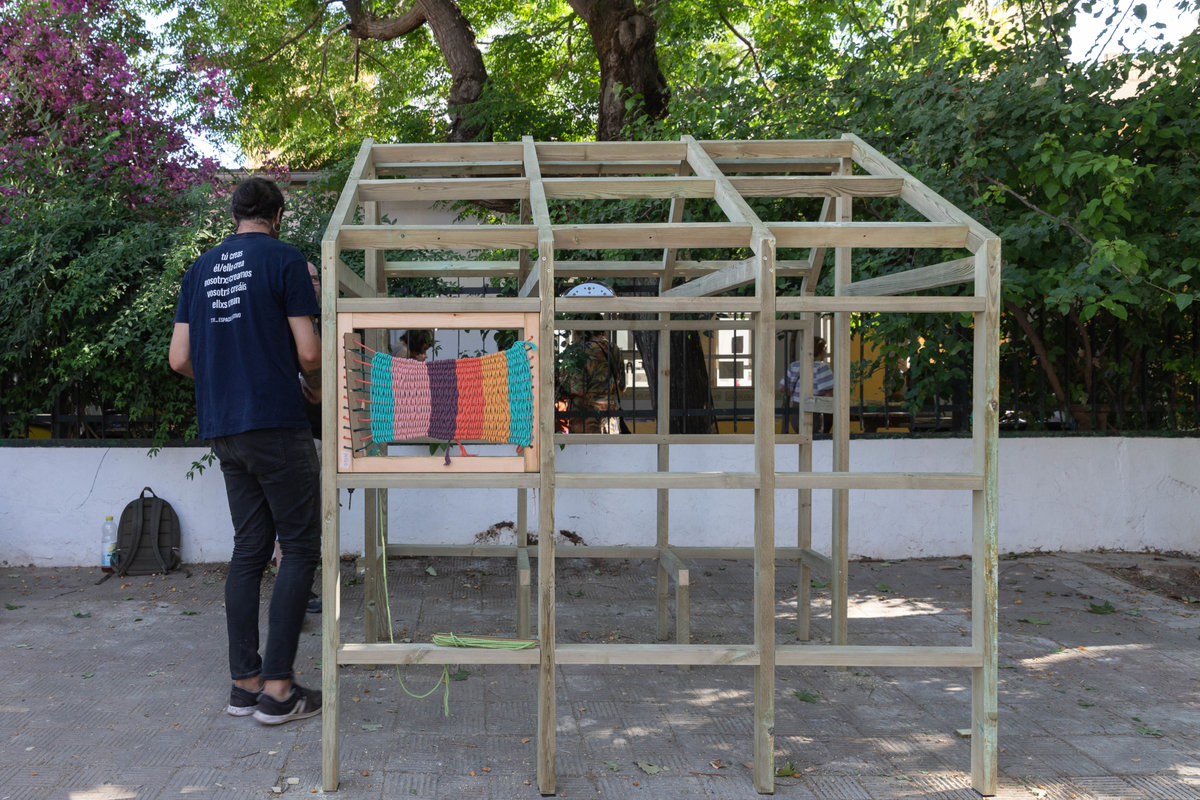
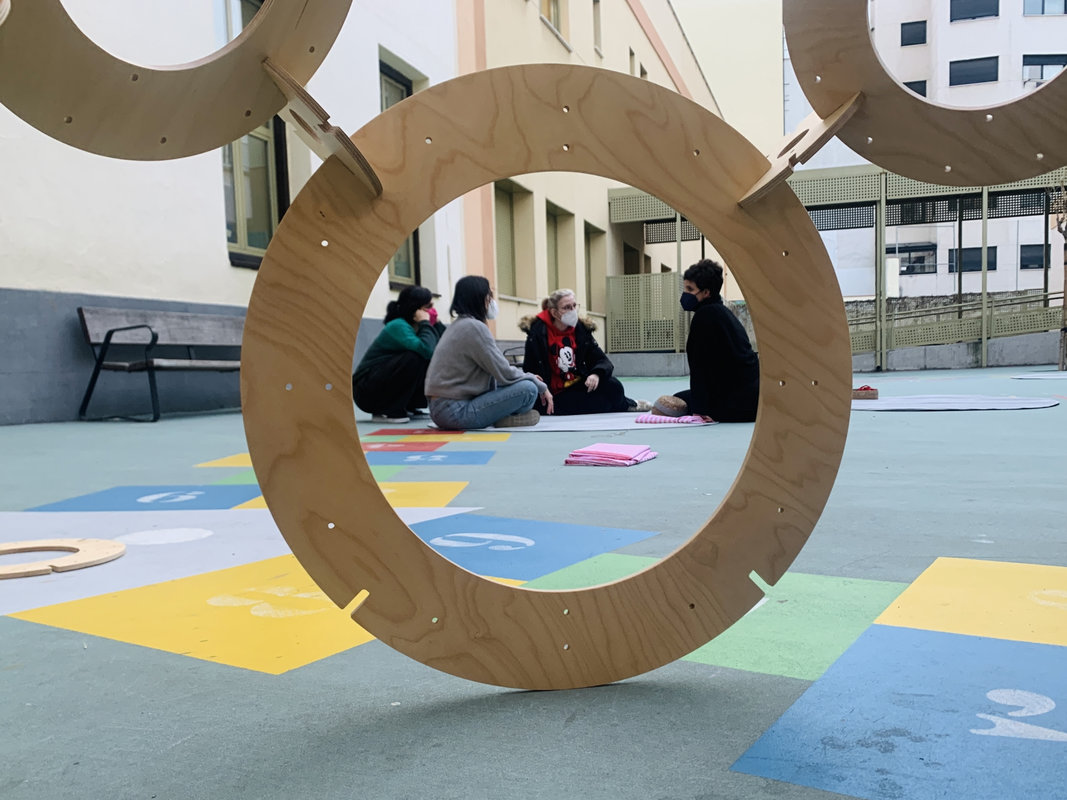
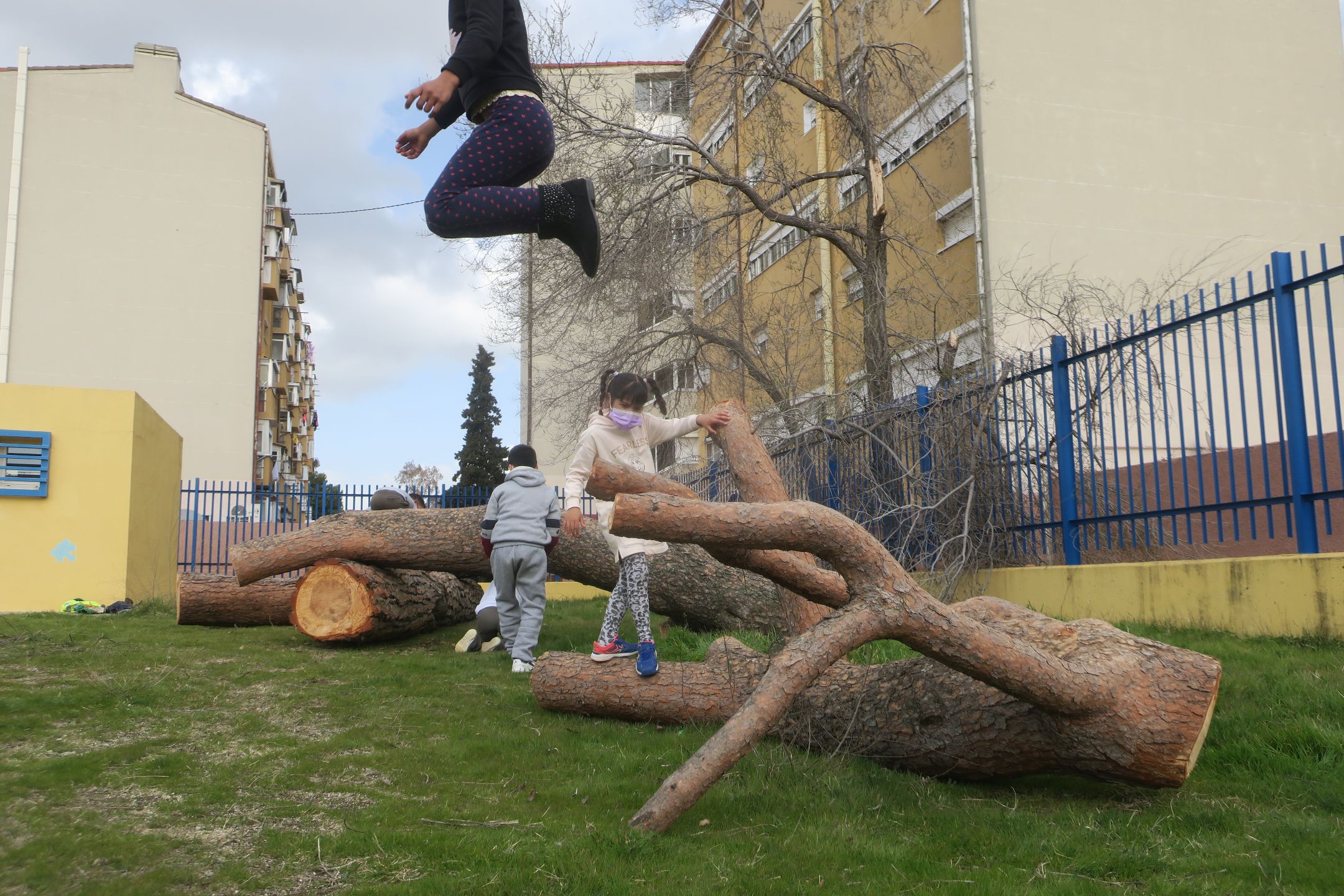
PLANEA, an art and school network for social transformation
Promoted by the Daniel and Nina Carasso Foundation, the PLANEA network culminates in this 2022/2023 academic year four of the five years of prototyping that it has been provided to evaluate and compile learning on the ways and means of producing significant changes that artistic practices provide in public schools, in education ministries and in their closest ecosystem. To this end, the network is articulated through mediation nodes that are developed in three territories: Invisible Pedagogies (Community of Madrid), PERMEA (Valencian Community) and ZEMOS98 (Andalusia).
There are already more than 126 pilot centers and collaborators that make up PLANEA. In addition, last year a new territory was added to the network: La Rioja.
Now, the network is going a step further with the publication of this DESPACIOS Notebook, which aims to be a meeting place for all those people who make up an educational community and are concerned about the sense of space in their centres, not only in relation to the methodologies or techniques that are applied to intervene in them, but also in relation to the methodologies or techniques that are applied to intervene in them. but also attending to a more comprehensive reflection on the educational potential of the space itself.