Socially engaged art
22 June, 2023
Concomitentes presents the results of the ‘Paediatric ICU’ in Madrid after five years of work


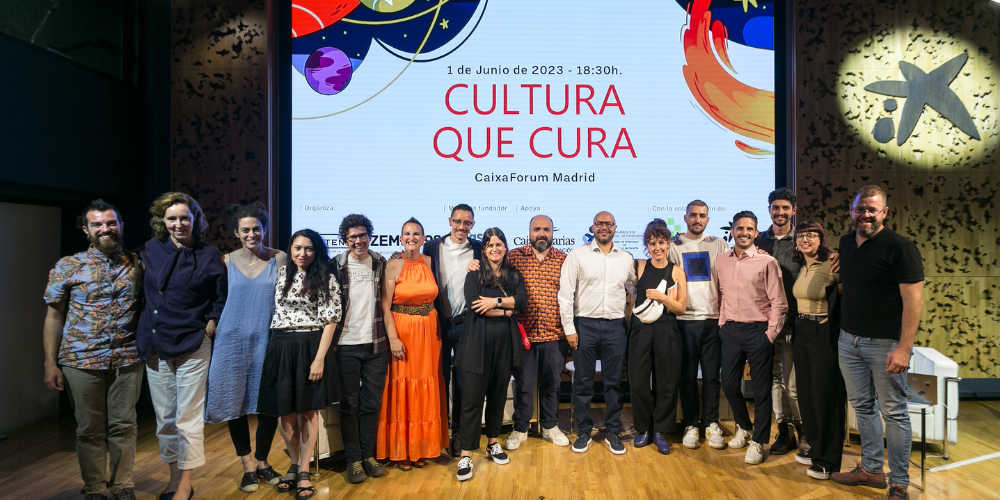
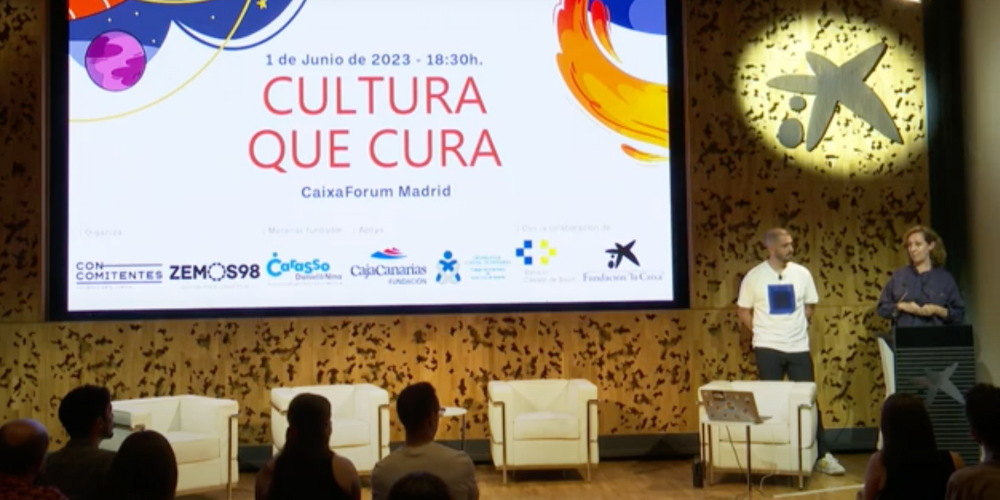
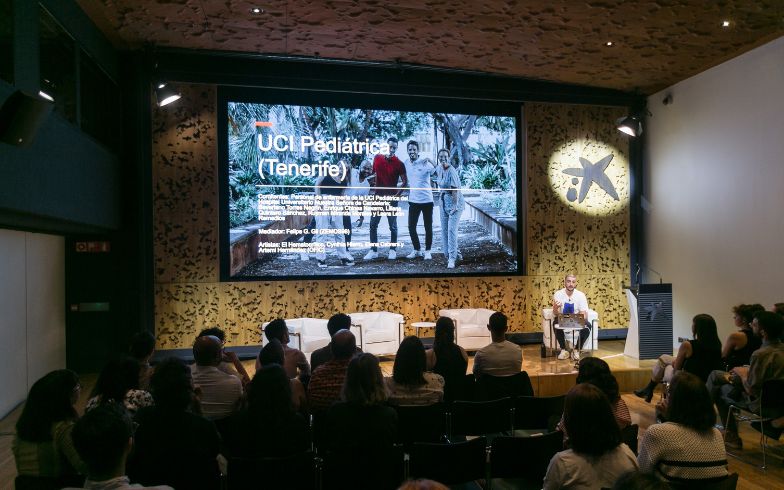
Concomitentes, a programme that we promote and support from the Foundation, has presented the results of the last five years of work of the Paediatric ICU project in ‘Culture that heals’. A public event that featured some of the leading voices of this project who have worked hand in hand with the mediator Felipe G. Gil de ZEMOS98 and five nurses from the Intensive Care Unit of the Nuestra Señora de Candelaria University Hospital in Tenerife to identify how art and culture contribute to the improvement of the emotional care of pediatric patients and the relatives who accompany them during their hospitalization process.
Last Thursday, June 1, the public presentation ‘Culture that heals‘ took place at the CaixaForum in Madrid, an event aimed at reconstructing the journey of five years of work and to expose the results and learnings of the Paediatric ICU, one of the seven projects carried out by Concomitentes.
It was Pepa Octavio de Toledo, head of the Citizen Art axis at the Foundation, who was in charge of opening the event by explaining the essence of Concomitentes, a non-profit association created in June 2018 with the support of the Foundation that promotes the production of works of art that connect with their social environment. “Each concomitance is unique but all of them share common elements: they have a citizen collective – the commissioning parties – with an idea or theme relevant to their community, a mediator who accompanies the process and the participation of artists to materialize the desire of that community,” he described.
The methodology on which it is based was formulated in 1990 by the artist François Hers and put into practice with the support of the Fondation de France. Since then, the initiative has had an enormous social and cultural impact and in Spain seven concomitances have been launched in these years, including a Paediatric ICU in Tenerife.
“Paediatric ICU was born as a result of the desire to answer two questions: How to improve emotional care in paediatric patients admitted to the ICU of a hospital? How can a work of art or a cultural product help in this context?” explained the project’s mediator Felipe G. Gil.
With these issues on the table, in 2018, the mediation process began with the commissioning parties: five nurses from the Paediatric ICU of the Nuestra Señora de Candelaria University Hospital in Tenerife – Quique Chinea, Laura León, Ruymán Miranda, Lili Quintero and Seve Torres. “After many conversations and an in-depth bibliographic review, in March 2020, we met to define the artistic commission we needed to improve the emotional care of the pediatric patients of this hospital and their families,” says Felipe. “Three ideas came out of that meeting, but after the outbreak of the pandemic, we had to paralyze the project and we could not resume it until July when we contacted the different artists to start developing these proposals.”
Finally, after months of work, the concomitance materialized in three artistic works that the protagonists themselves were in charge of showing and explaining to the attendees of the event: a mobile library, a podcast and an illustrated story.
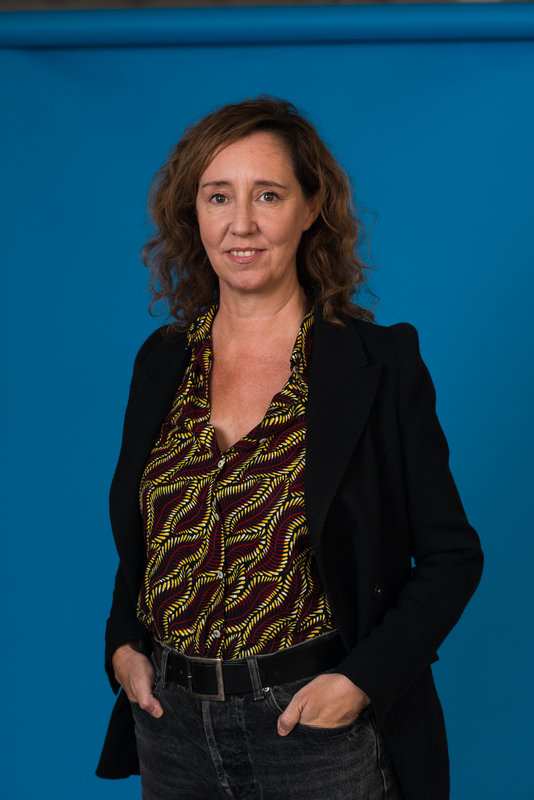
The combination of the necessary and the miraculous gives rise to such wonderful initiatives as the Paediatric ICU. At the Foundation we are very proud of its results. An initiative that could be replicated in all hospitals and we want to continue working to make this happen.
Pepa Octavio de Toledo
Director of the Citizen Art Axis of the Daniel and Nina Carasso Foundation in Spain
Culture that improves emotional care for pediatric patients
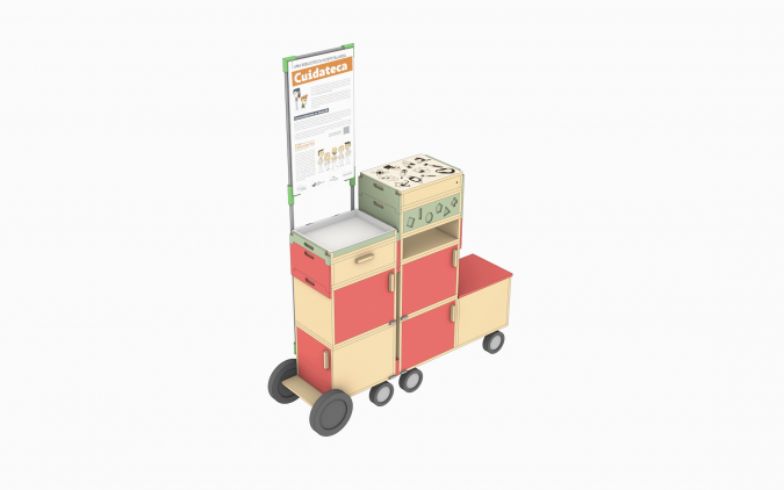
The first of the works to be presented was the mobile library – called ‘la cuidateca‘ – which has been in charge of the Canarian architect, Artemi Hernández of the Office of Civic Innovation, in collaboration with the artist Octavio Barrera. “It is a piece of furniture that aims to change the ways of living in intensive care spaces and is designed so that it can be moved to different places and so that it is replicable and evolving, based on the needs of health personnel,” explained the artist Artemi Hernández. “This library, in addition to storing books, includes other modules with different playful and interactive elements for patients such as a tracing table, a sound table and a puzzle,” he said.
Regarding its ability to improve the well-being of patients, the nurse and project commissioner Ruymán Miranda indicated that “it is a transformative element that helps nursing staff to interact with young patients – from babies to 15-year-old adolescents – and is the result of a process of negotiation and exchange that uncovers individual desires and needs to reach common agreements and solutions.”
The second of the works that were shown was the podcast ‘In the Paediatric ICU’, which is made up of five chapters – available in eldiario.es – in which the journalist Elena Cabrera has worked for two years to try to uncover the secrets contained in the “black box” of the hospital environment: “Participating in a project like this makes you be brave and face those parts of life about which you are Sometimes you don’t want to know anything, like the reality of hospitals,” she commented, visibly moved.
The protagonists who give voice to this radio story are the five nurses and commissioning members of the project and some of the relatives who have had children hospitalized and who tell what it is like to go through the difficult experience of admission. “They needed to talk and tell what they had inside, it was like turning on a tap, there were so many stories and so fascinating…”, said Elena.
“This podcast has helped to demystify the nursing profession and to understand what the day-to-day life is like in our work and what really happens in the ICU, it helps to understand us,” said nurse Quique Chinea.
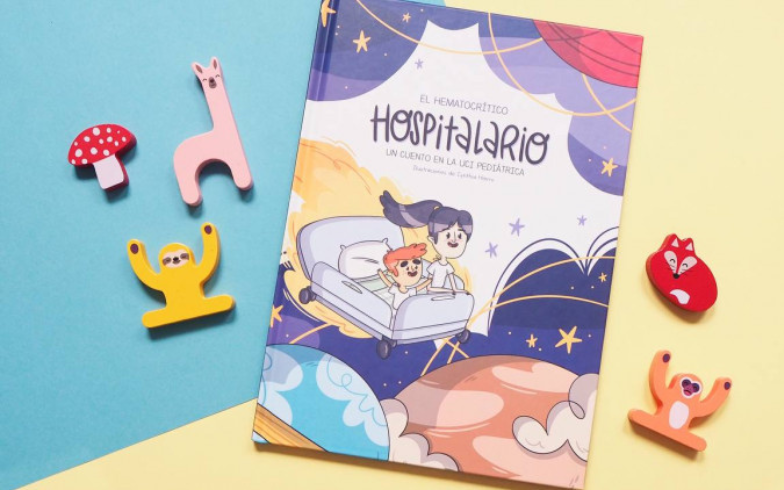
The last of the artistic works, the illustrated story, has been devised by the Galician author Miguel López, better known as El Hematocrítico and illustrated by the Canarian artist Cynthia Hierro with the aim of helping nursing staff to accompany the emotions and feelings of young patients and make it easier for them to express them in the transit that is the experience of hospitalization: “It is inspired by common situations that cause diseases and their associated fears, with this work I have sought to respect the voice of children and avoid adult-centrism,” said the author.
Lili Quintero, nurse and client who accompanied the Hematocritic in this conversation, explained the reason for creating this work: “We believed that a story was the best way to reach children, we thought of them above all else, we needed an entertaining tool that would attract their attention.”
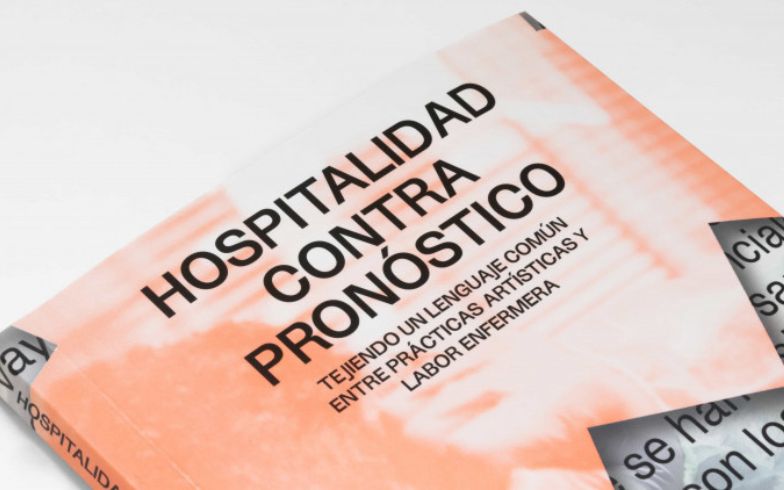
Hospitality against the odds: the book that calls for health as a common good and culture that heals
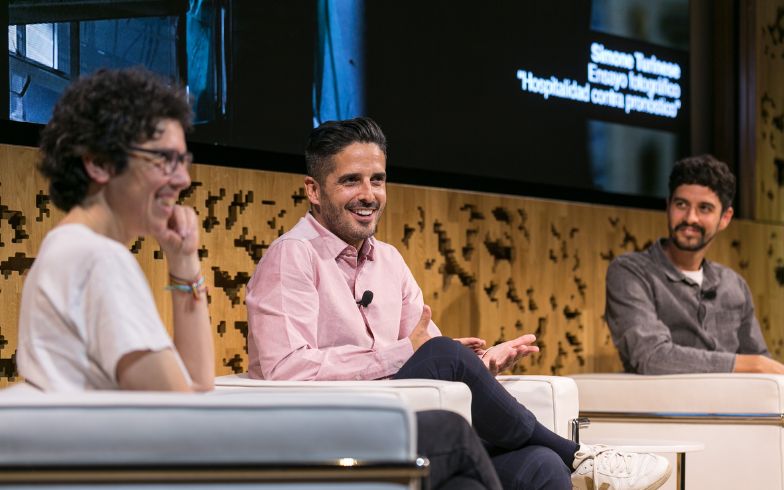
This meeting also featured some of the voices that have participated in the book ‘Hospitality against the odds‘ – launched last March together with the Bartlebooth Publishing House – which collects the lessons learned through this long path of mediation of the project and that traces lines of flight to think of health as a common good, beyond the exclusively health. “Health is not only built by the doctor, health is built by the patient, the nurse, the orderly, the cleaner, the neighbor… Health is built by all of us,” said journalist Noemí López Trujillo, who has written one of the texts in this book.
The book also includes a fictional story inspired by the experience of a patient in a Pediatric ICU written by the author Sabina Urraca who read a small fragment of it to the expectation and excitement of the audience.
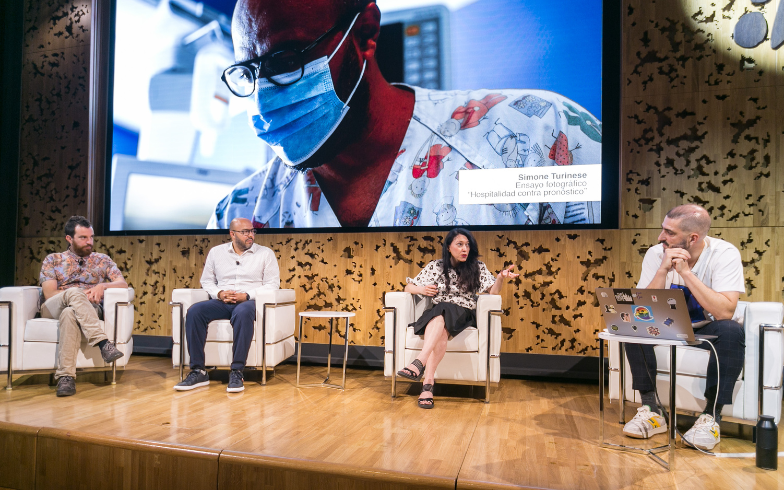
The closing of such an emotional and profound event was provided by a video by the mediator of Nouveaux Commanditaires and former member of the Daniel and Nina Carasso Foundation, founding patron of Concomitentes in Spain, Anastassia Makridou-Bretonneau, who invited us to reflect on the unknown work of the mediator:
“Every project that is carried out is a victory against immobility and fatalism, further proof that civil society can engage concretely and creatively in public affairs, and that art is an essential actor in changing our world. The mediator is neither more nor less than a humble servant of these magnificent causes.”
After the closure of this event, the Paediatric ICU is now entering a phase of promoting the results obtained to ensure that they are replicated in the Paediatric ICUs in the rest of Spain to help children and families to go through this difficult experience.