Socially engaged art
07 May, 2024
Carasso Notebook: Alliances for a Cultural Democracy


Prepared based on a participatory methodology, this Booklet collects the main characteristics, experiences and learnings of 13 projects supported by the Daniel and Nina Carasso Foundation linked to mediation and cultural rights. With it, we hope to contribute to the dissemination of a cultural model more focused on citizen participation, making the key knowledge and tools necessary to do so available to the entire ecosystem.
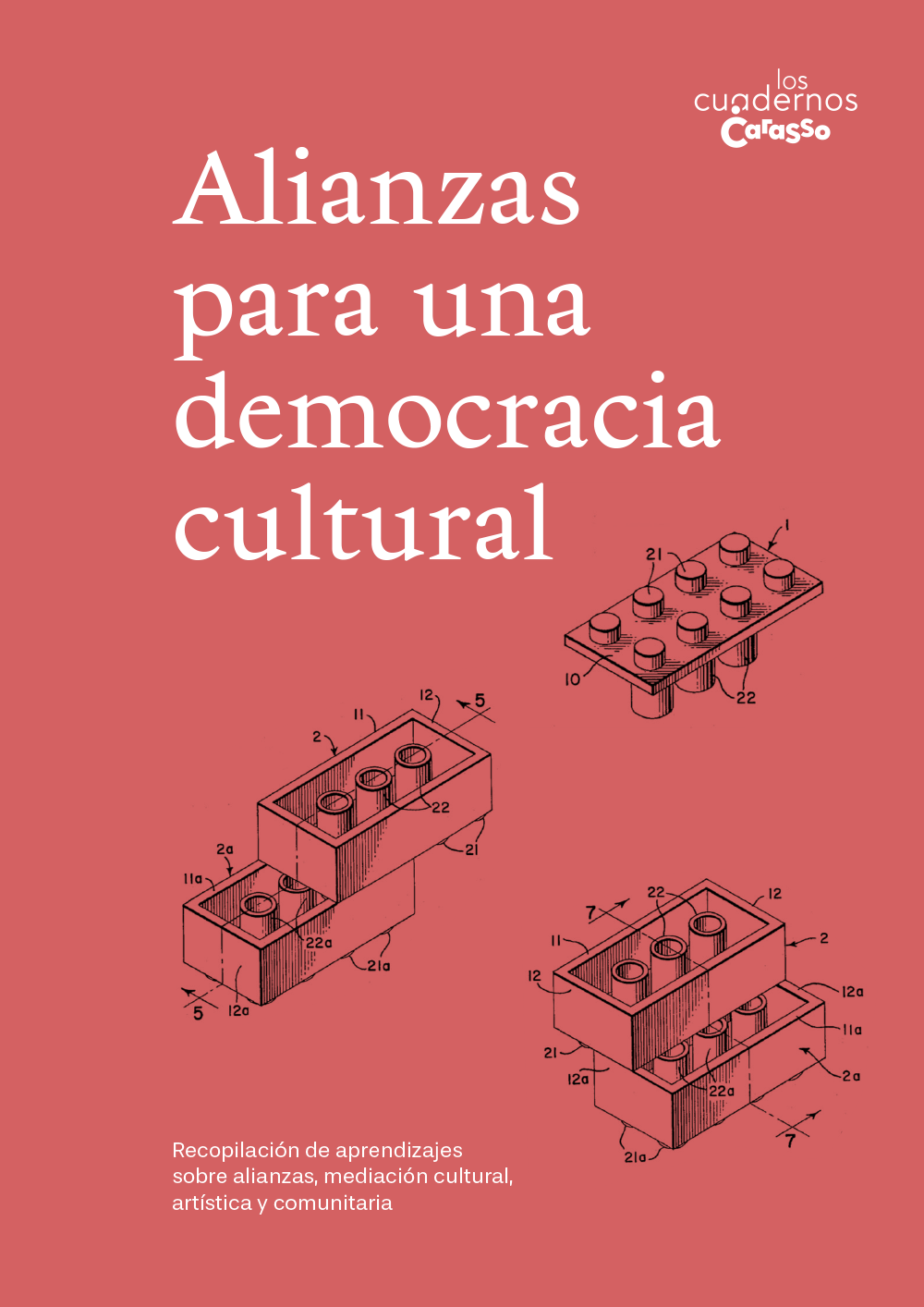
Download the Booklet "Alliances for a Cultural Democracy"
07 May. 2024 · PDF 65 MB
Aware of the inequalities in the practice of art and its access, in the enjoyment and citizen participation in cultural programmes, institutions and policies, from the Daniel and Nina Carasso Foundation and through the projects we accompany, we promote a new relationship between society, Administrations, entities and cultural institutions.
The call Alliances for a cultural democracy, whose first edition took place in 2020, seeks to promote this change of model through cultural, artistic and community mediation, and is inspired by SDG number 17, “Alliances to achieve the goals”, because this is only possible with joint work between the different agents in the cultural field. ranging from small independent collectives that work with communities to educational departments or public activities of cultural institutions, without forgetting civil society itself.
A collaborative process
This Notebook is the result of joint work between the Foundation, Sinapsis and the projects studied. In the first phase, the documentation generated by all of them was analysed, a bibliographic research was carried out and in-depth interviews were carried out with each project, which served as a basis for analysing both the achievements and the strengths and weaknesses of each one. In a second phase, a two-day meeting was held in which the teams promoting the different projects proposed and discussed strategies, methodologies and practices with which to strengthen alliances and their development. This process has served to articulate a community of practice in which the heterogeneous points of view of the different alliances, organizations and professional profiles of this type of project converge, in addition to facilitating the creation of networks and synergies between participants. It has also provided a space for listening and dialogue between the people and entities that participated in the projects and the Daniel and Nina Carasso Foundation.
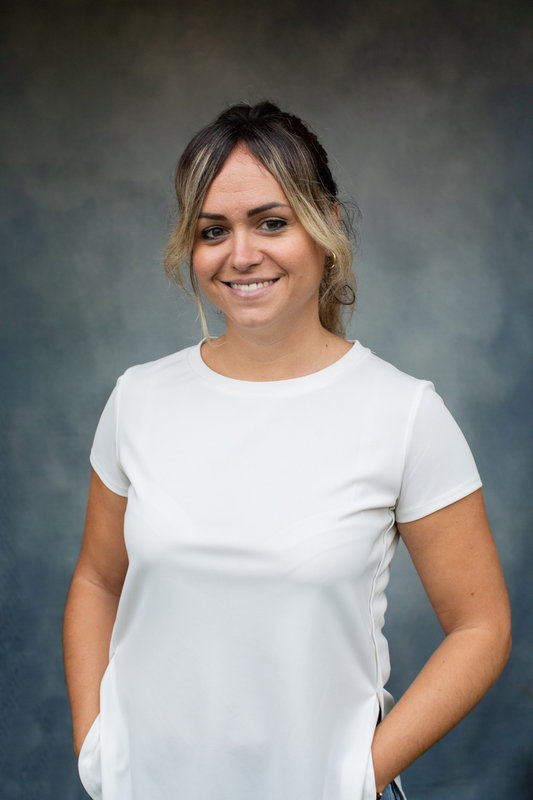
Cultural, artistic and community mediation is a fundamental element of cultural democracy, since it generates situations of encounter, dialogue and action that put into practice the right to participate in cultural life recognized in the Universal Charter of Human Rights, thus becoming an essential practice in any artistic project or program.
Cristina Sáez Estrela
Head of Citizen Art programs at the Daniel and Nina Carasso Foundation in Spain
Thanks to all this baggage, we publish this new Carasso Notebook —under the editorial coordination of Cristian Añó, head of Sinapsis and Poliédrica Magazine—, which collects learnings, reflections and experiences extracted from the meeting and the previous research process. Thus, the document aims to be a useful instrument to inspire other initiatives through the experiences and tools described, which are in part a roadmap for the creation of alliances and similar projects.
Reflection and practical tools
The new booklet Alliances for a Cultural Democracy, which was presented on May 7, 2024 at the Impact Hub space on Piedmont Street, in Madrid, in addition to giving visibility to the projects that are already part of this ecosystem and the work they develop, provides practical recommendations and makes available to everyone the specific resources and knowledge necessary to promote projects that favor greater cultural democracy through of mediation and alliances.
The framework has been structured around three main blocks: Cultural Democracy, as a model that places the right to culture of citizens at the centre of cultural policies, with special emphasis on the rights of participation and contribution to cultural life; cultural, artistic and community mediation, as the set of practices that make this participation possible; in addition to the necessary alliances and cooperation between the different agents of the cultural ecosystem to address common challenges.
The workbook highlights practical aspects that are useful for project development on topics such as design, planning, scheduling, budgeting, management and closure, documentation, communication, evaluation, and how to share knowledge.
The Notebook closes with a Toolbox and some bibliographic recommendations. The first presents in a practical way some tips for the development of projects, with ideas and useful aspects for each of the stages of their realization, thus offering options for each initiative to assume the most convenient for its reality. For their part, the bibliographic recommendations allow the reader to delve into the different topics raised in the Notebook.
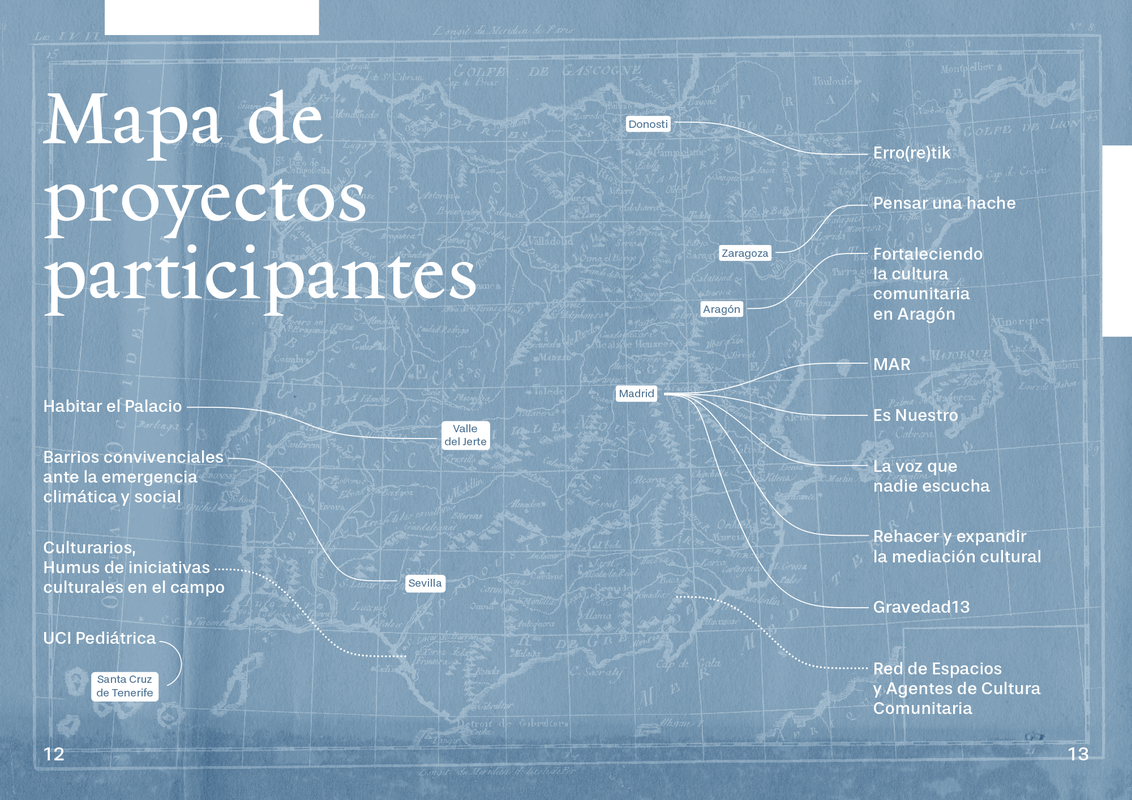
The projects of Alliances for a Cultural Democracy
The projects that we have been lucky enough to accompany in the different editions of this call have different lines of action, facing challenges such as diversity, the right to culture, the climate emergency, community governance or cultural mediation.
Specifically, to make this Carasso Notebook possible, the participating projects have been the following:
- Convivial neighbourhoods in the face of the climate and social emergency. (Cotidiano Sociedad Cooperativa Andaluza, Ayuntamiento de San Juan de Aznalfarache- Sevilla)
- Culturarios, Humus of cultural initiatives in the countryside. (The Green Cube. Network of Art Spaces in the Countryside)
- Erro(re)tik. (International Centre for Contemporary Culture – Tabakalera, Artaziakoop and Why Not-San Sebastián-Donostia Foundation)
- It’s ours. (Higher Technical School of Industrial Engineering and Design (ETSIDI) of the Polytechnic University of Madrid (UPM) and ES(TU)YO – Madrid)
- Strengthening community culture in Aragon. (Red Cuenco-Aragón)
- Gravity13. (Galaxxia, project produced by Nada Colectivo-Madrid)
- Inhabiting the Palace. (Association of the Municipality of the Jerte Valley and CAnicca)
- The voice that no one hears. (Gabeiras Foundation, Penitentiary Institutions, Teta&Teta Cultural Association and Invisible Pedagogies)
- MAR Platform. (Museo Nacional Centro de Arte Reina Sofía, hablarenarte and Fundación Daniel y Nina Carasso)
- Thinking of a H. (Colectivo Llámalo H and Zaragoza Cultural (Zaragoza City Council))
- Remaking and expanding Cultural Mediation. (AMECUM-Association of Cultural Mediators of Madrid-Madrid)
- Network of Spaces and Agents of Community Culture.( REACC-Network of Spaces and Agents of Community Culture)
- Paediatric ICU. (Concomitants and Nuestra Señora De Candelaria-Santa Cruz de Tenerife University Hospital)
These projects are carried out in different contexts and realities of the Spanish geography, from cultural institutions to health areas, penitentiary institutions or rural areas. In addition, they all collectively address the challenge of generating transformative advocacy in a community way, through dialogue with the territory and its socio-cultural fabric. As Lucía Casani, general director for Spain of the Daniel and Nina Carasso Foundation, says, all these initiatives “are pure inspiration and show that other ways of making art and culture – more participatory, more inclusive, more representative – are possible”.
Download the Booklet "Alliances for a Cultural Democracy"
07 May. 2024 · PDF 65 MB


