Socially engaged art
05 March, 2025
CONJUNCTIONS brings together professionals of cultural mediation in higher education


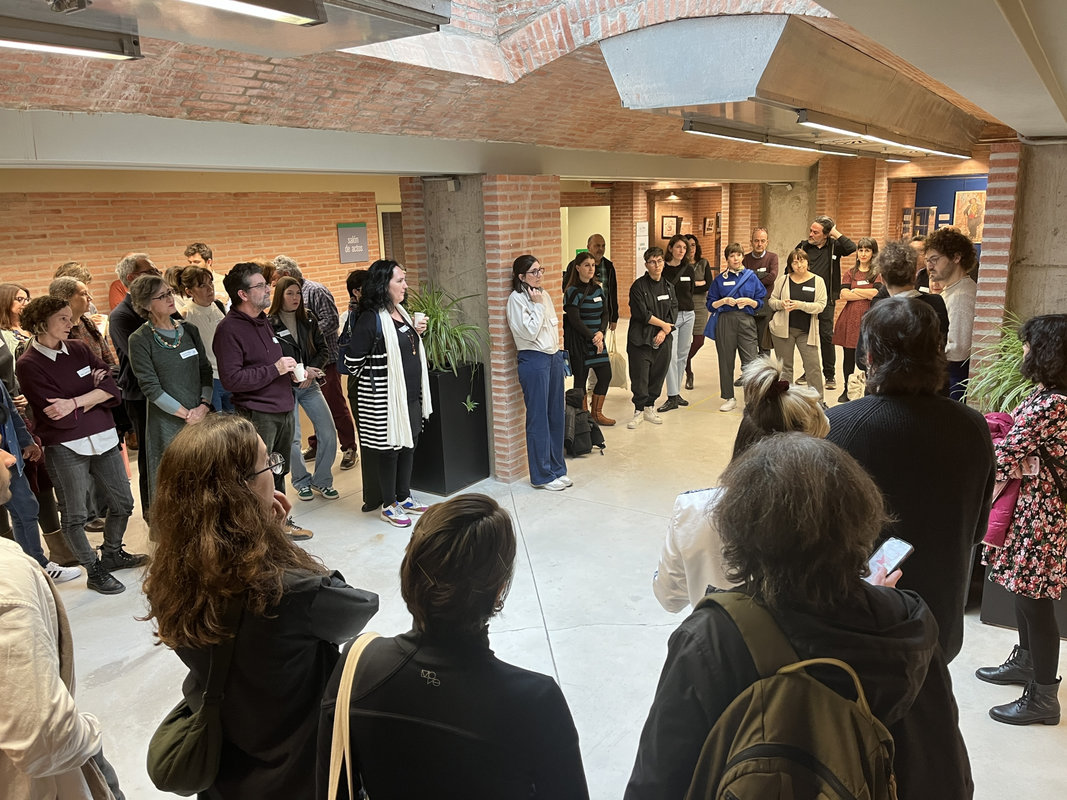
At the Daniel and Nina Carasso Foundation, we understand cultural mediation as a fundamental pillar of cultural democracy, as it allows us to generate spaces for meeting and participation. In the last decade, this area has gained special relevance, expanding from artistic disciplines to sectors such as health or social transformation. In addition, this growing interest in mediation has boosted the training offer. This constant mutation makes it necessary for the people who are part of its ecosystem to meet in order to visualize possible horizons and mark a collective route.
CONJUNCTIONS, promoted by the Daniel and Nina Carasso Foundation in collaboration with the cultural association hablarenarte and the Autonomous University of Madrid, is the event in which all the agents involved (scholarship holders, teachers, students and other professionals) have come together to contextualize cultural mediation in master’s or postgraduate studies. The event took place on February 21 and 22 at the Madrid space of La Corrala (UAM) Museum of Popular Arts and Traditions.
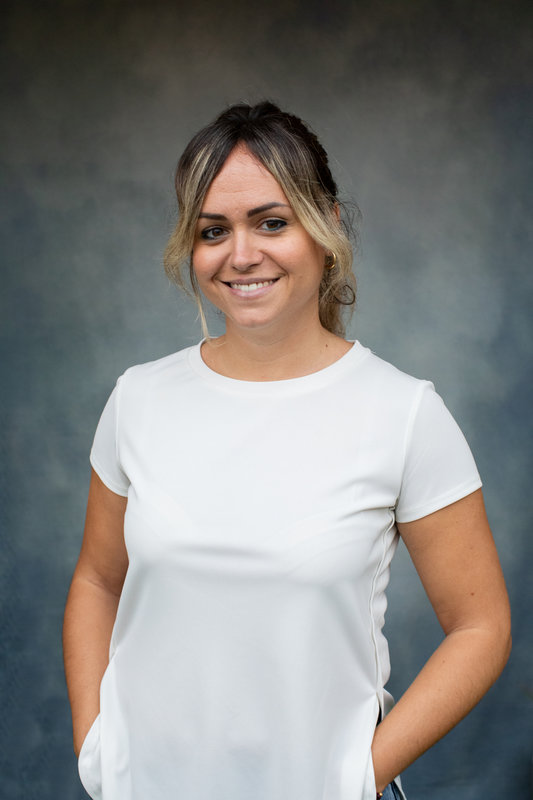
It is necessary to promote the professionalization of the cultural mediation sector through university studies, because these contribute to legitimizing the professional figure of the cultural mediator and, in addition, give it value as an autonomous cultural practice and generator of knowledge
Cristina Sáez
Head of Citizen Art programs at the Daniel and Nina Carasso Foundation in Spain
Firstly, the scope of the first two editions of Complement Directo was evaluated, promoted and devised by the Foundation and coordinated by hablarenarte. This scholarship program, which includes individual and collective mentoring, aims to support higher education in cultural mediation and foster a university community committed to practices that are located at the intersection between art, education, and participation. Currently, its fourth edition is taking place and there are already a total of 56 people who have benefited from these scholarships.
The Foundation commissioned a study of the experience of the first two editions to the Autonomous University of Madrid (UAM), as well as a mapping of the higher education courses in cultural mediation available in Spain. In this way, we delve into the current panorama and the needs demanded by people in training in the sector. The mapping evidenced the ambiguity of the term and the lack of clarity in the information available on official websites, which makes it difficult to identify and select suitable programs. In addition, many websites provide limited or non-existent information about specific cultural mediation content, which adds obstacles for potential students. As a result of this study, a summary table and detailed files of the identified programmes have been developed, together with an interactive map that allows their geographical distribution in the Spanish territory to be visualised, which provide data such as the enormous difference in costs of each programme (from €591 to €9,500), number of ECTS credits (from 16 to 120) or the artistic disciplines with which they are linked (from plastic and visual arts to theatre, dance or music).
The UAM research also evaluated the impact of Complement Directo on the training of students, its ability to generate contact networks in the field of cultural mediation and contemporary art, and the adequacy of its formats and methodologies to the objectives of the program. To this end, two differentiated questionnaires were designed, with a predominant qualitative approach, which were answered by 25 scholarship recipients in the 2021-2022 editions and 6 professionals invited to the collective sessions.
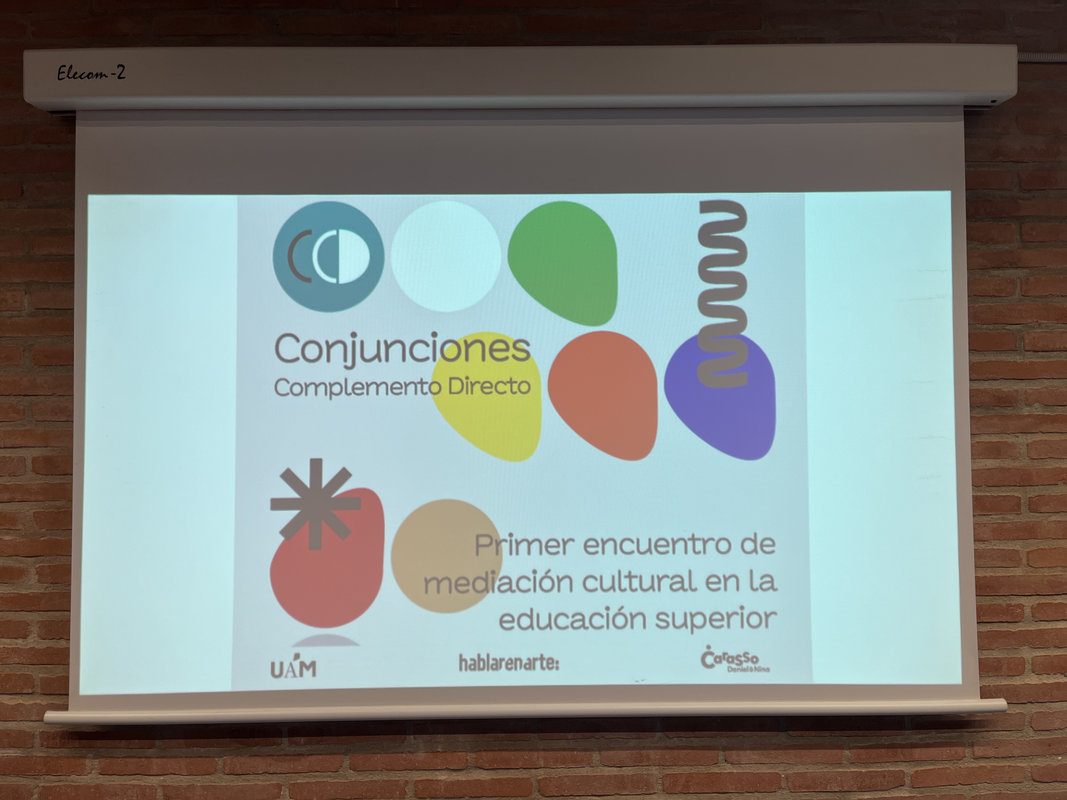
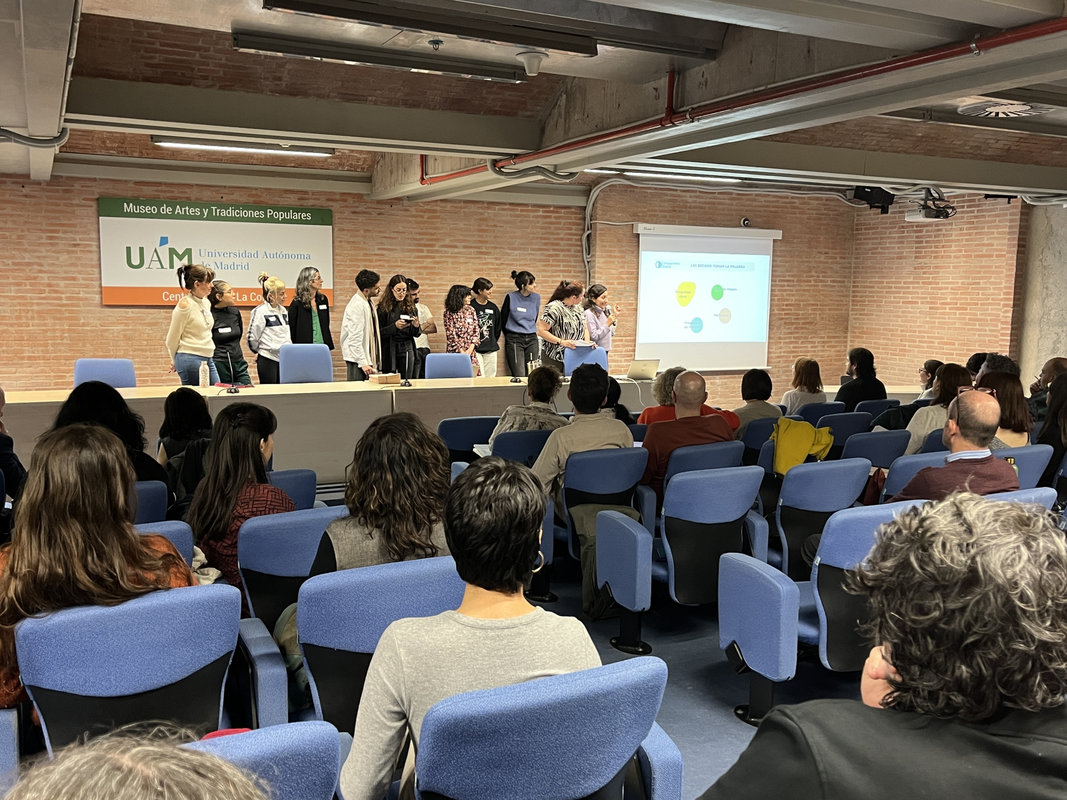
Among the conclusions drawn from the study and that were socialized in CONJUNCIONES, we can find that the scholarship recipients value Complement Directo very positively, its ability to generate learning networks and the approach to cultural mediation in the world of work, in addition to providing them with practical tools that are not usually included in the study programs.
They also pointed out the need for greater training in administrative, legal and logistical aspects and the desire to have more spaces for exchange and group cohesion. For their part, the professionals highlighted the importance of structuring training by combining theory and practice through varied methodologies such as dialogues, experimentation and project work. In addition to highlighting the relevance of addressing issues such as project management, labor rights, budgets and hybridization with social movements and other disciplines in order to generate the necessary collaborations.
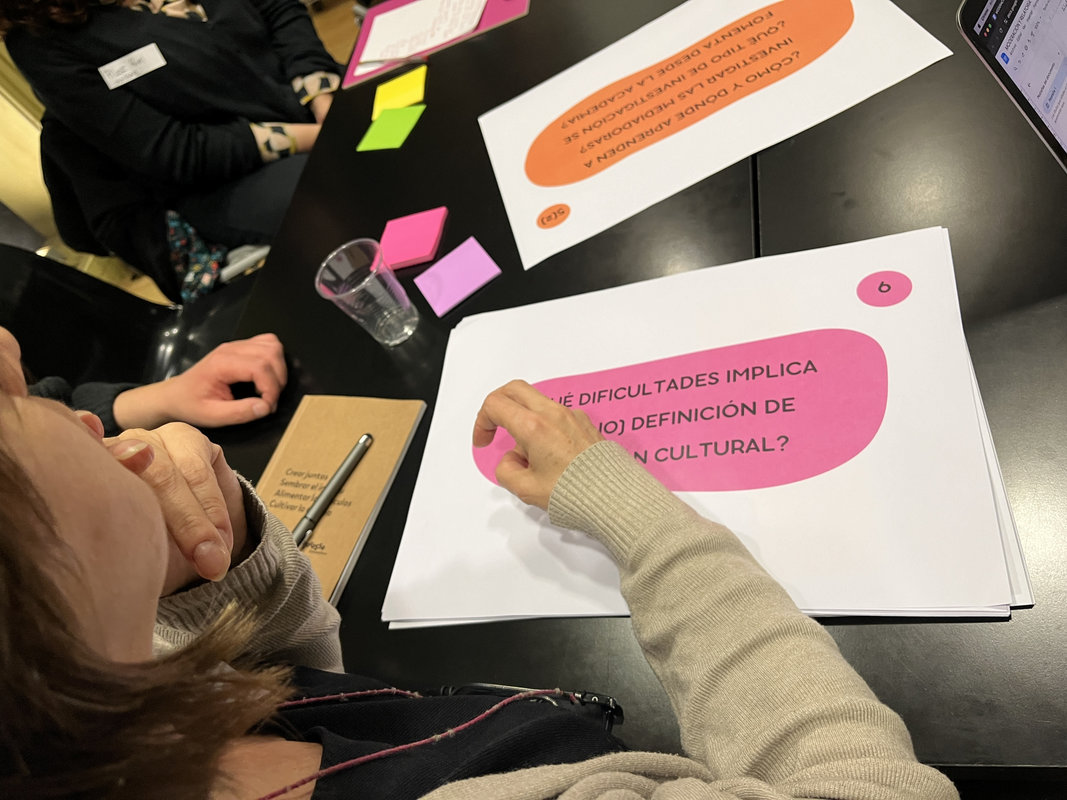
To discuss key issues within the sector, six group work tables were held, in which debate and participation were important elements for its development. First, the participants focused on focusing on the problems, knots and difficulties encountered in higher education of cultural mediation.
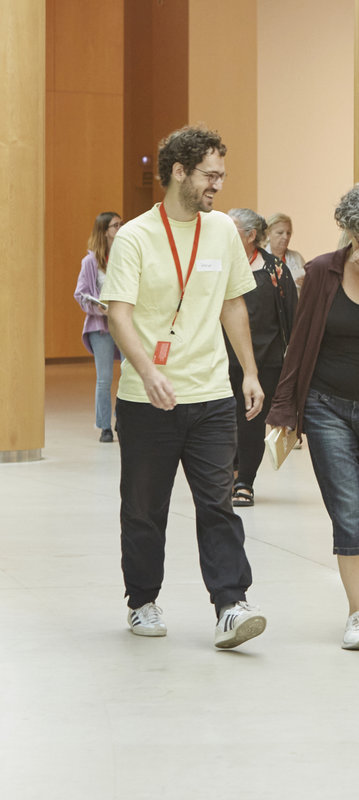
This first meeting has allowed us to evaluate the current situation of cultural mediation in higher education and to share the itineraries for its professionalization. We will implement the feedback received in the Direct Complement program, to accompany and promote the alumni community from their individual trajectories but, above all, from the learning network we support
Carlos Almela
Responsible for cultural projects at hablarenarte
The second part dealt with the proposals, good practices, desires and analysis of other international benchmarks to look at in order to continue drawing a line of improvement in the state of the art. All this was presented in a public return in which they spoke of diversifying the notion of research, creating spaces in the university that allow working with the community, facilitating access to the collection generated with the TFM or carrying out permanent training drawn together with alumni.
This last session also served to mark the roadmap and objectives of the next edition of CONJUNCTIONS, which is expected to be a non-segregated and much more diverse space, in which experiences and strategies are exchanged and in which to continue weaving a sustainable network.
To end this meeting, Álex Martínez, alumni of Complement Directo and member of the BajoTeja Platform, made a performance designed ad hoc for the conference. Glosario de Juntanza was a participatory proposal to collectively think about what characteristics define the concept of tradition.


