Sustainable food
04 November, 2021
Present and future of Sustainable Food: axes of the Daniel Carasso Fellowship award ceremony


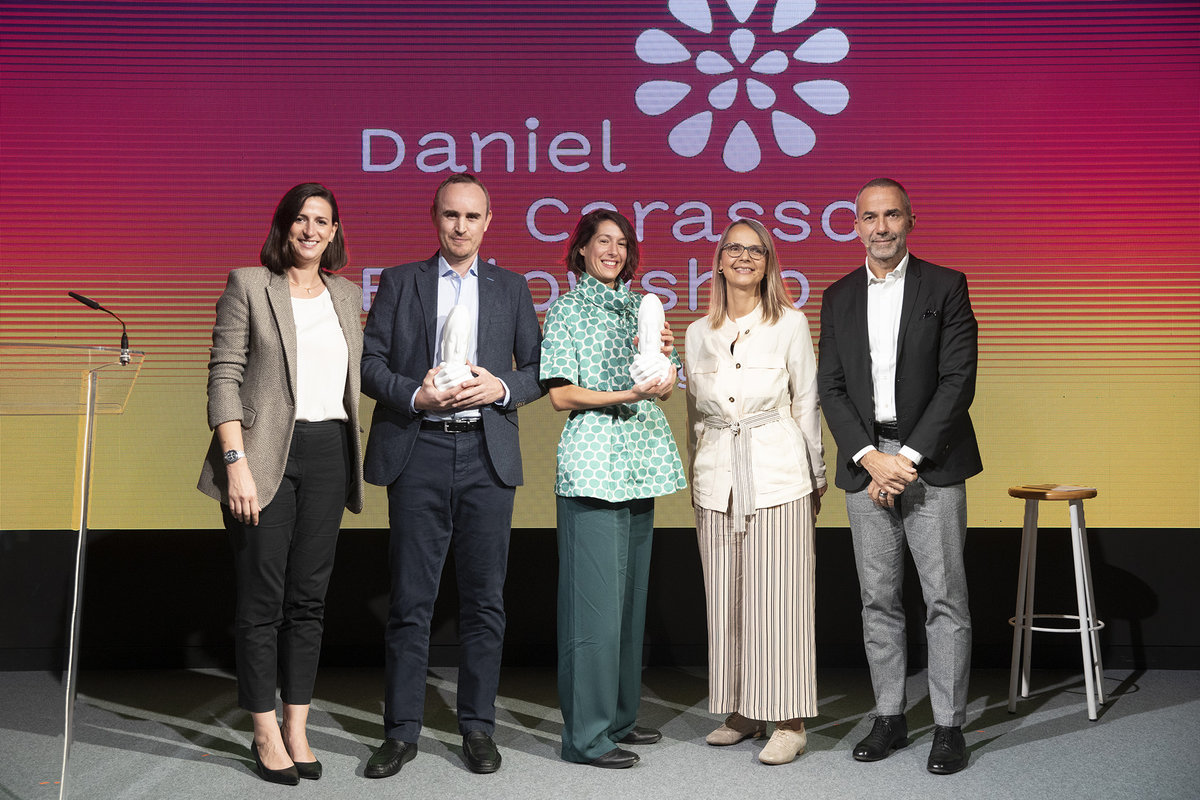
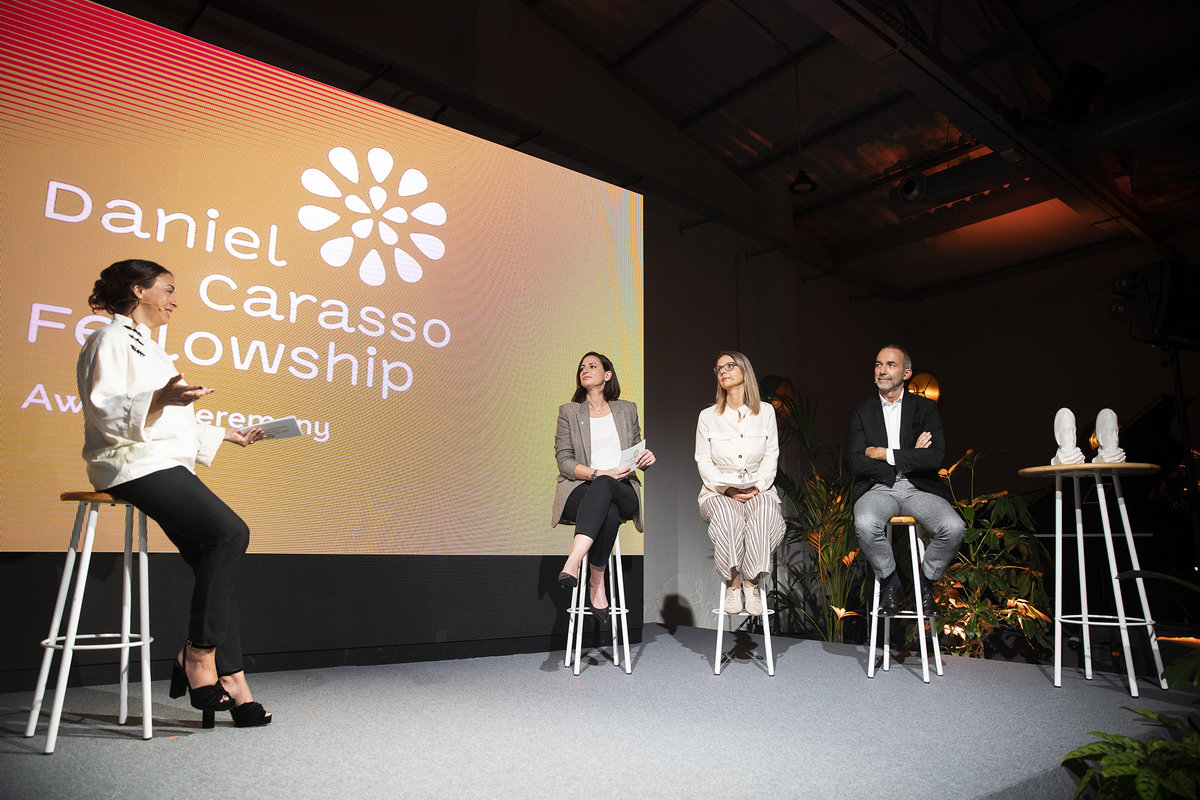
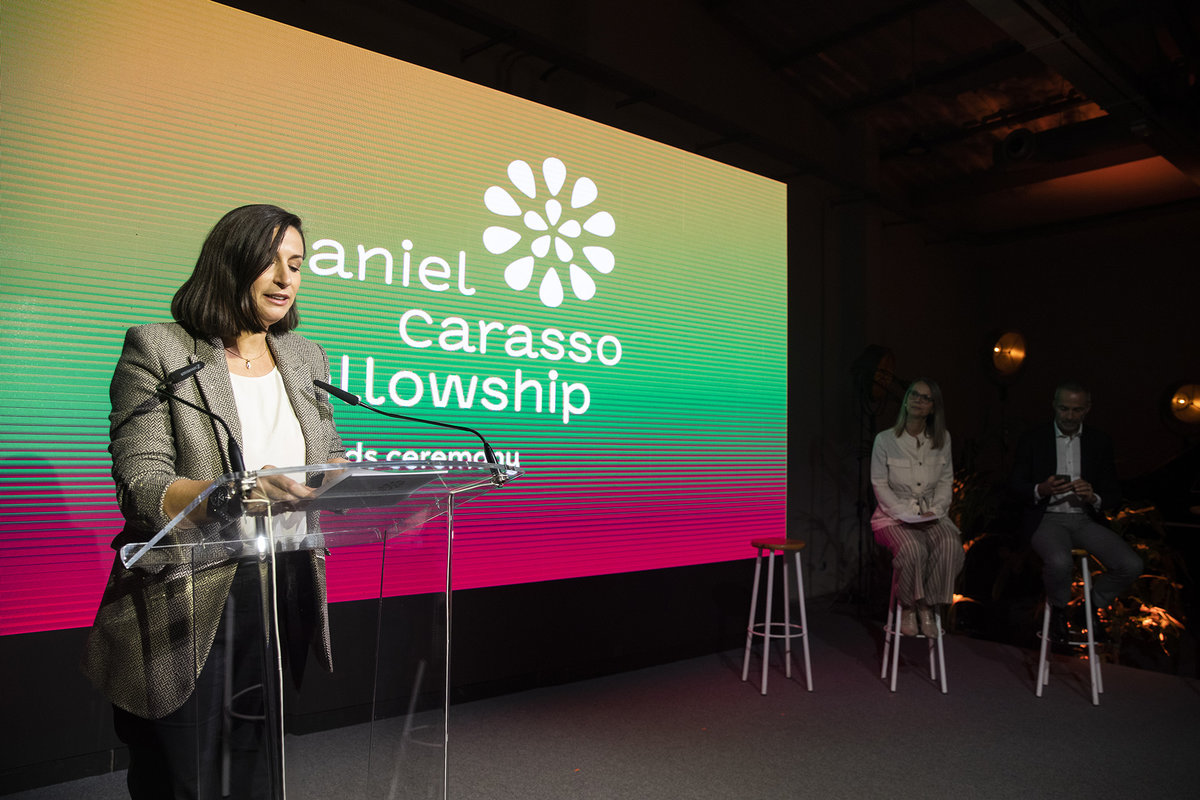
On October 14 we had the opportunity to explore the possibilities offered by science to address the social challenges of our present in “Leading the transition: pathways to sustainable food systems“, the Daniel Carasso Fellowship award ceremony, together with our laureates, the Spanish Raquel Ajates González and the Colombian Daniel Gaitán Cremaschi. with two projects that will undoubtedly contribute to the transition to sustainable food systems in Spain.
In December 2020 we started a new adventure with the call for this international recognition of research in sustainable food for young researchers and last July we had the joy of announcing the beneficiaries of the same.
In a celebration of science and young talent in which we were able to (re)meet with all those people who share our commitment to build a more sustainable and better nourished present and future, Raquel Ajates, who works as a researcher at the National University of Distance Education and Daniel Gaitán Cremaschi, researcher at the Institute of Environmental Science and Technology of the Universitat Autònoma de Barcelona (ICTA-UAB), presented their projects on the challenge of seed digitalisation and on sustainable food public procurement in Spain, respectively.
The ceremony was streamed and can be seen in its entirety on our YouTube channel, both in Spanish and with simultaneous translation into English.
Two projects with a focus on systemic innovation as the instrument capable of organizing a new order
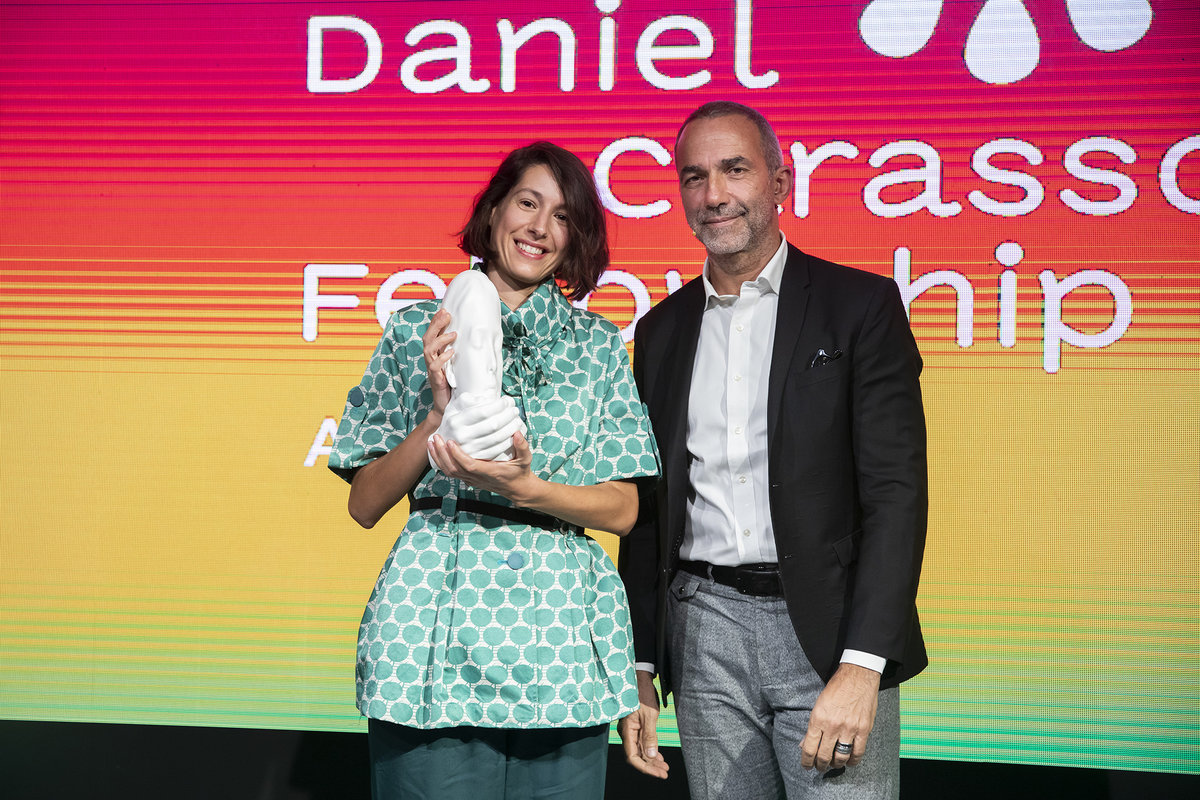
A sculpture by the Spanish artist, Jaume Plensa, a key figure in Spain and worldwide, which represents the face of a girl held by hands that present her to the world, is the trophy that our two winners received, in an emotional gala, from Isabelle Le Galo, director for Spain; Marie-Stèphane Maradeix, General Delegate and Phillippe-Loic Jacob, member of the Board of Trustees of our Foundation.
“When we presented the project to the famous Spanish sculptor Jaume Plensa, the harmony was complete: for the Catalan artist, the Foundation’s motto ‘sustaining life, enriching the spirit’ had a very intimate echo with his own work focused on the link between body and soul. The work is therefore the result of a complicit process that is completely inscribed in the artist’s work on the human being,” said Isabelle Le Galo.
“That inner world of each one, those little corners full of wonderful ideas, details, gestures, values, are seeds, small seeds that sprout and become great harvests,” he pointed out, adding that precisely Raquel Ajates, with her project, defends and intends to protect thousands of native seeds, all of them orphans, to stop the loss of biodiversity of crop varieties and diets.
“Seeds and their diversity are the essential foundation of a sustainable food system. Seeds are fascinating, they are something so small, with so much potential, that they combine science, culture and the common good, they are a shared metaphor for how small initiatives can lead to enormous transformations. They inspire us and feed us,” said Raquel Ajates upon receiving the award.
Marie-Stèphane Maradeix, General Delegate of our Foundation, called for exploring the outside world and finding lost paths, exploring new ones and walking through them to reach fullness as people and as a society. “Daniel has devised and developed a project that aims to promote public food procurement linked to agroecological systems, exploring and opening a new path that can bring us closer to sustainable food systems,” he said.
“I am convinced that the important science, the essential science, the science that really strengthens our society is that which is created to be seen, to be used and to be shared by the community,” said Daniel Gaitán, the other laureate of the night, who assured that “research is understood less and less as an individual activity and more and more as a collective action. multi and interdisciplinary”.
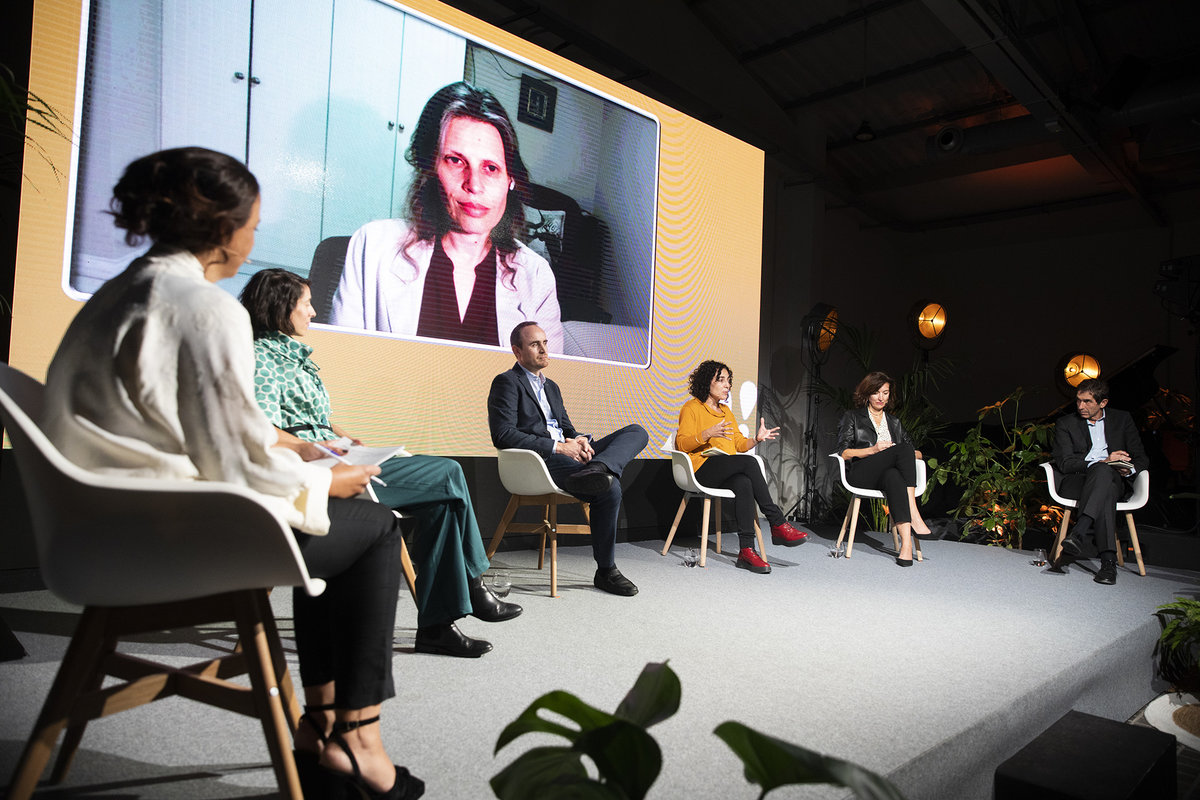
A panel with six leading experts analysed how science can contribute to addressing societal challenges
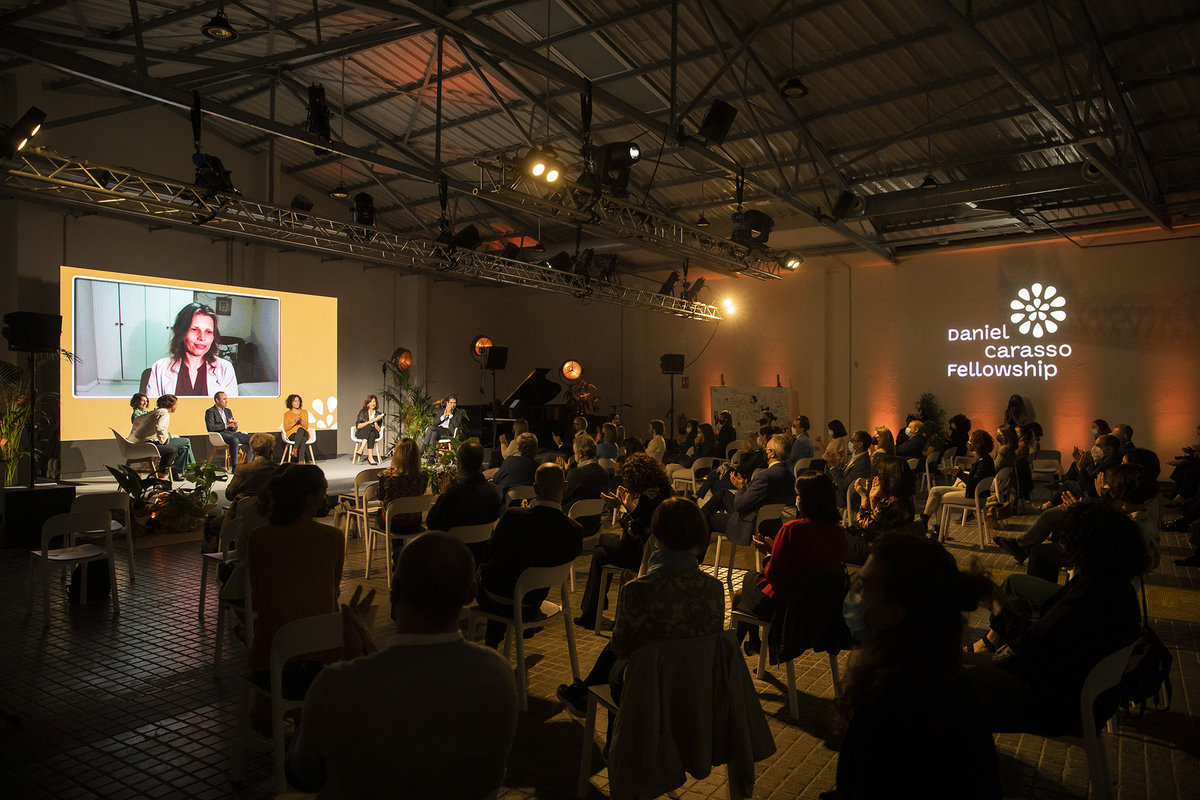
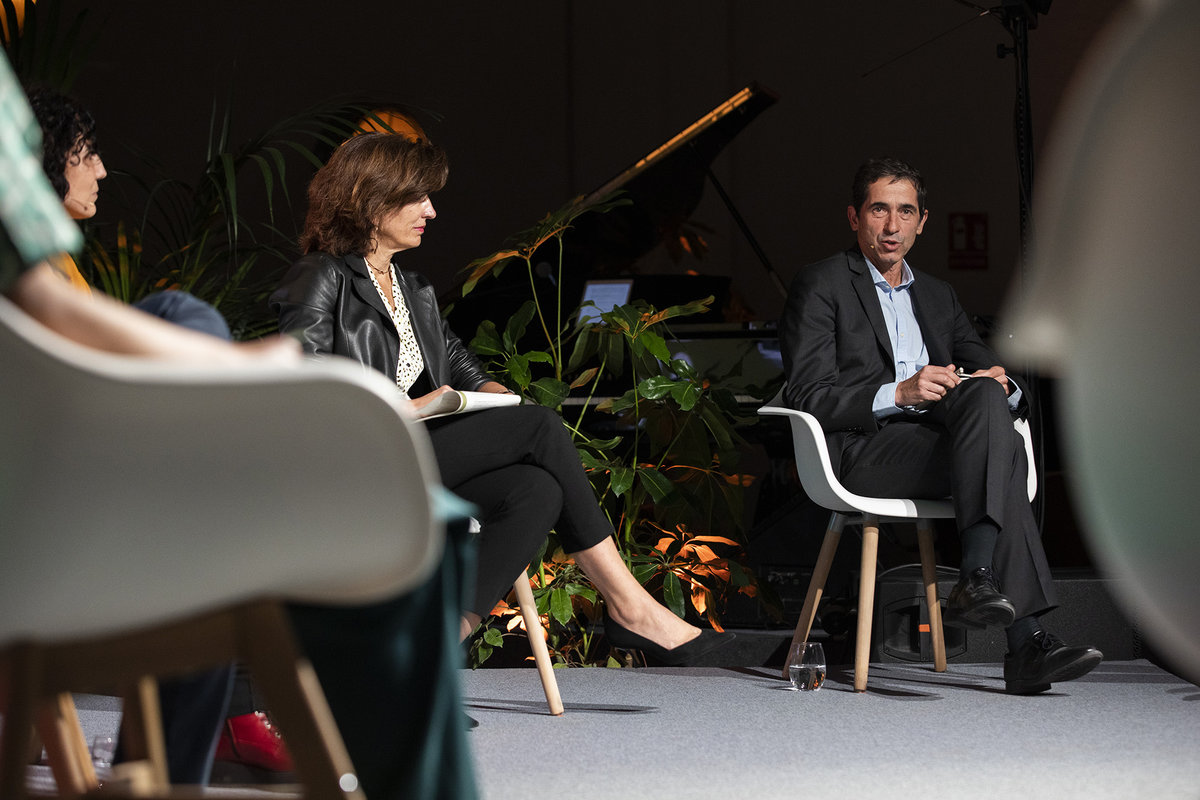
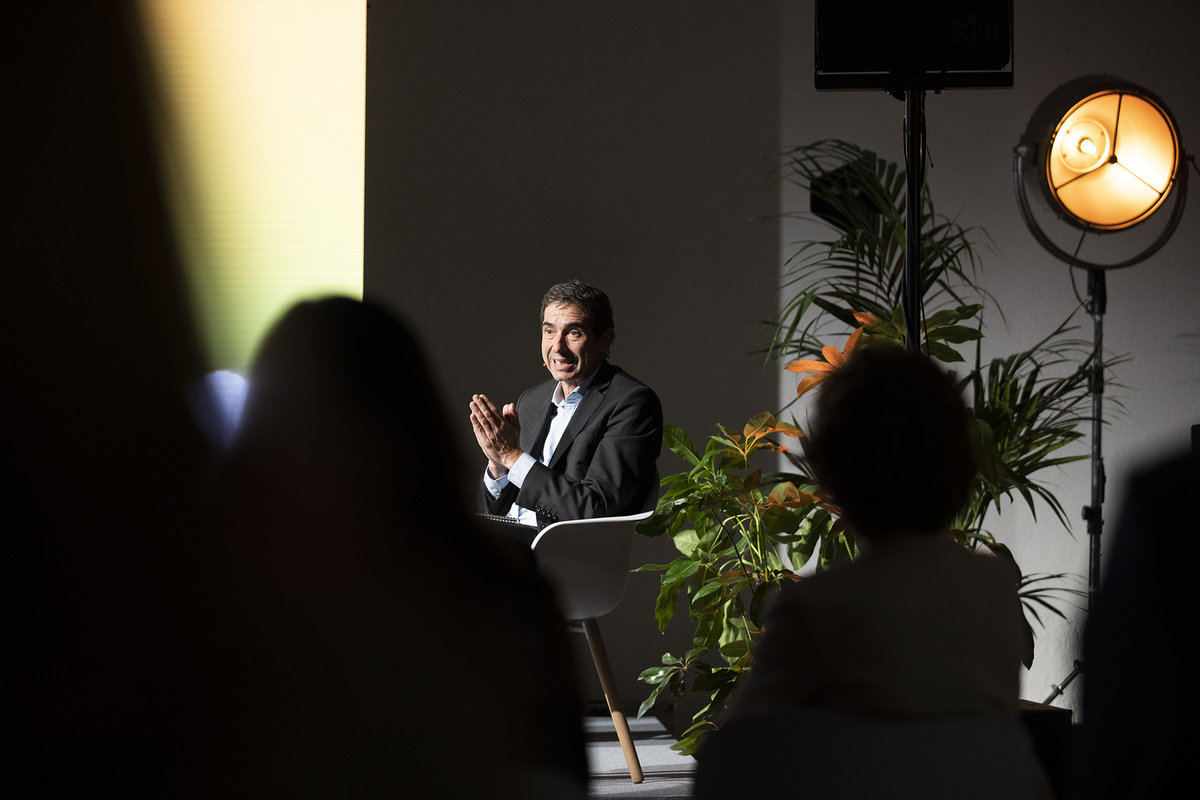
Our society faces complex challenges, most of them deeply interconnected and global, which must be addressed through cooperation between a multitude of actors and sectors and to talk about them, we brought together six major experts: Carlos Mataix, director of the Center for Innovation in Technology for Human Development -itdUPM-; María Navarro, official of the Spanish Office for Climate Change; María Ramos, founding partner of Alimentta, a think tank for the food transition promoted by the Foundation; Jane Battersby, Daniel Carasso Award 2017 and our winners Raquel Ajates and Daniel Gaitán.
This round table allowed for a dynamic debate moderated by Concha Ortíz, an expert in intercultural communication, in which the panelists pointed to the climate emergency, the loss of biodiversity, the degradation of natural resources, social inequalities, malnutrition or obesity, as examples of the crucial challenges that we must face right now, without wasting more time, to live in a present with glimpses of the future.
They all agreed on the need for systemic innovation and the importance of science and research, public administrations and producers and various actors in the food system having a fluid dialogue.
“Systemic innovation forces us to work together, to be truly inter- and trans-disciplinary, because technological innovation is going to have to act hand in hand with the social, public policies, financial and all this has to form an organic and meaningful whole, with a common intention,” said Carlos Mataix.
María Navarro, for her part, called for a much more fluid contact between the world of science, research and public administrations and detailed some characteristics of the food system that must always be in mind both in science and in public policies: the importance of the local, the fact that food is heritage, but also tradition and culture.
In his participation, he stressed that when talking about food policies “we always focus on the production sector and the food system is a much more complex reality: it starts with production, goes through transformation, distribution and consumption, and I believe that this system approach must be a radical change that must be applied”.
“We are very early on knowing how to investigate the food system as a whole, because science, right now, that works in disciplines related to food is very compartmentalized and very hyperspecialized,” said María Ramos, a researcher in agroecology and biodiversity.
“It is necessary to investigate what are the knowledge gaps that we still lack in order to understand what is happening in food systems and to do science in a different way. Multidisciplinarity is not only uniting different scientific disciplines, but also integrating other agents, integrating the producing sector, integrating public policies when doing science, co-generating that need for new knowledge to understand the entire food system,” he said.
Daniel Gaitán, one of our protagonists in this celebration, explained that there are currently multiple paths to move towards more sustainable food systems, “but my conviction is that this transformation should be more based on agroecological principles” and maintain “an inclusive, critical dialogue, in difference, that includes all the diversity of actors and can reach consensus that is solid regarding the transition paths that must be continue”.
Our other awardee, Raquel Ajates, asked not to focus the ultimate responsibility on the consumer, because “we are always thinking about how the person, the individual, has to change” and has pointed out that what must happen quickly and effectively is the reorganization of agricultural subsidies. “It’s about changing grant policies and it’s something that doesn’t require more money,” he added.
He ended his speech by making it clear that universities no longer have a monopoly on the creation of knowledge, data and evidence, in addition to the fact that worldwide there is an exponential increase in citizen science projects. “This movement is growing fast, attracting the attention of policymakers, the European Commission and other institutions that fund research projects, investing many millions of euros because they see them as a way to involve citizens, to look for relevant solutions and for the resulting policies to have a higher level of acceptance because there is an understanding of where they come from and why they have been created,” Added.
The table was also completed with the participation of Jane Battersby, winner of the Daniel Carasso Prize in 2017, predecessor of the Daniel Carasso Fellowship and who accompanied us electronically from South Africa. “Food is a crucial aspect but it is also a political and very controversial issue; These new coalitions that we are trying to find have to focus on food systems but at the same time it is important to see how all the elements relate to each other,” he said, in addition to endorsing that “there is a great future for food sustainability.” His words showed a spirit and critical analysis, but giving way to hope.
We celebrate the crossroads of our lines of action: Sustainable Food and Citizen Art
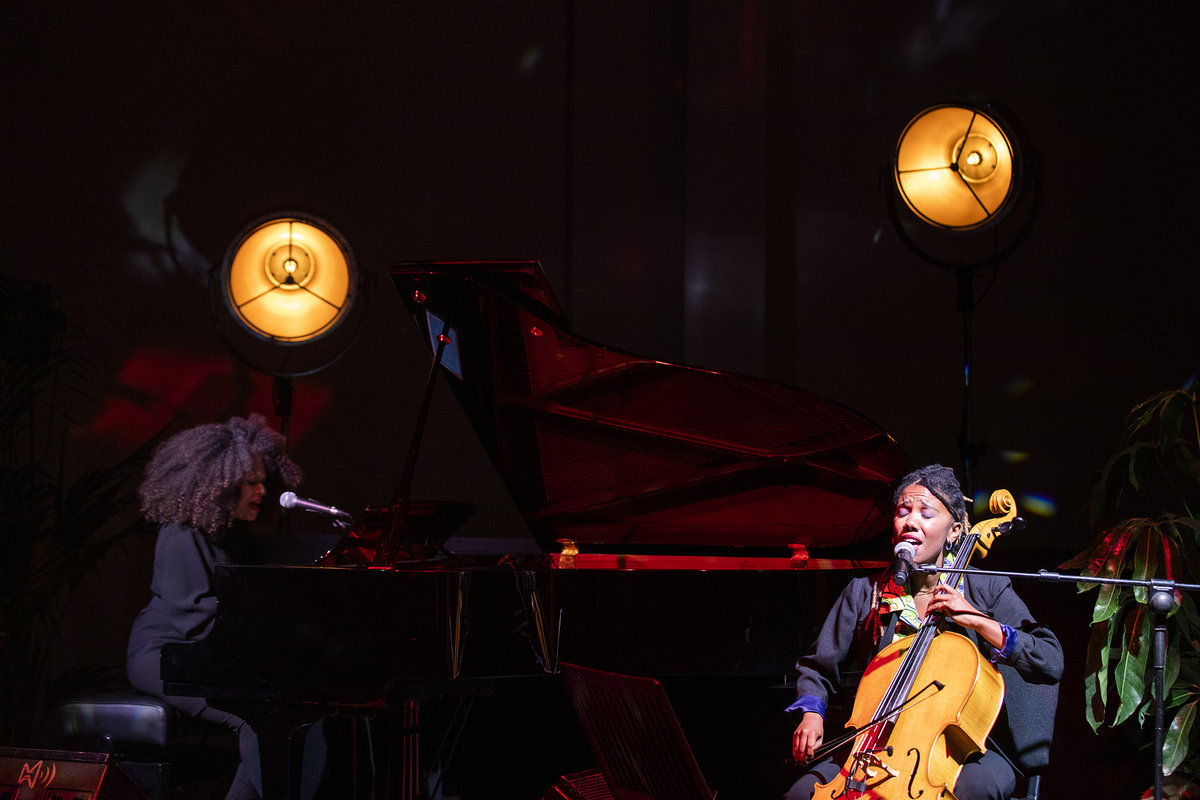
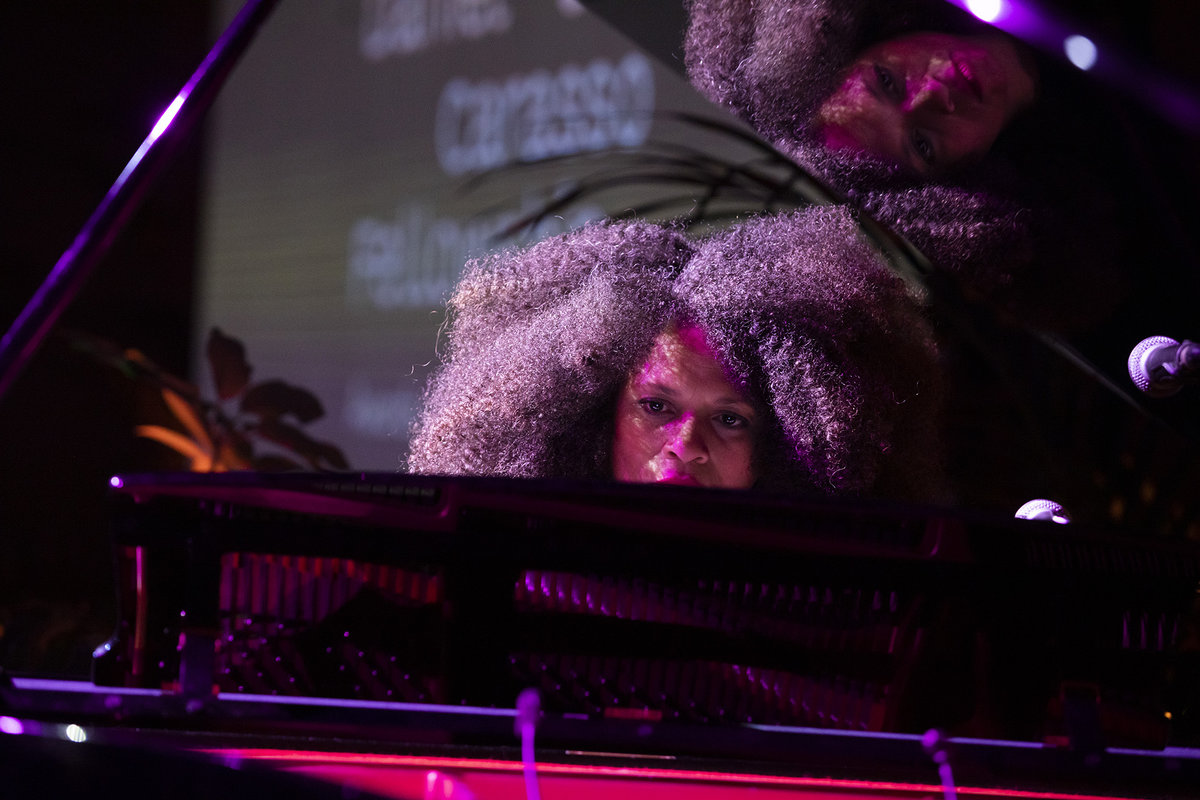
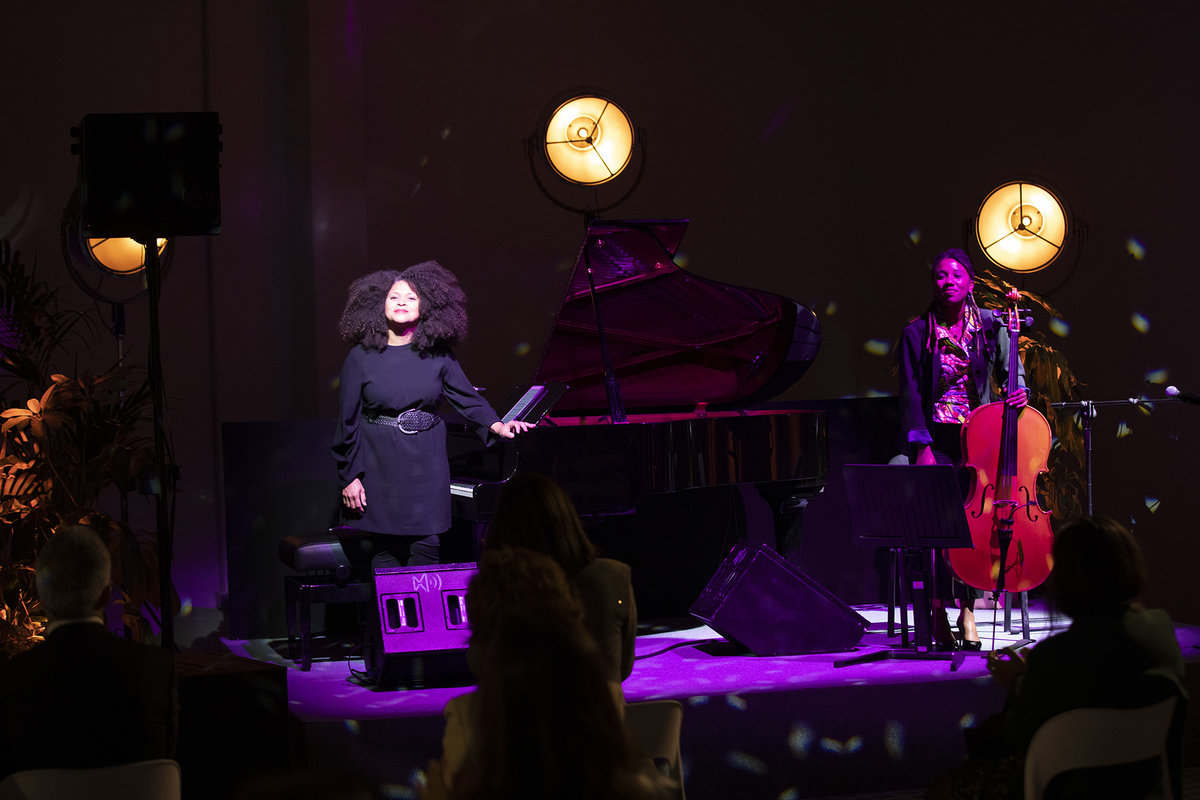
With the same emotion and strength that we support multidisciplinarity and the diversity of approaches in Sustainable Food, we also do so in Citizen Art, promoting the crossings between both lines. For this reason, for this event, we invited Cristina Pato, one of the winners of the 2020 Committed Artist Award, to transform the scientific concerns of our winners into a unique artistic piece: “Public Seeds: A Musical Dialogue”.
“The conversations with Raquel and Daniel have led us to imagine a musical journey that is born from an autochthonous seed, a rhythmic or melodic element of traditional music and that little by little travels through different languages and cultures to build a structure or system, a musical form, in which both the richness and diversity of what is already around us and our responsibility are celebrated for it,” said the artist, who invited the Cubans Cary Rosa Varona, on the cello and the pianist Isber Noa, to perform this musical jewel.
With the celebration of this award ceremony, we begin a journey together with Raquel Ajates and Daniel Gaitán to generate applied knowledge that guides the transition towards sustainable food in Spain. But also, the creation of a community of young researchers who put their talent at the service of society to build a more sustainable present and future.
Daniel Carasso Fellowship Awards Ceremony - English translation
04 Nov. 2021
Press kit - English
04 Nov. 2021 · PDF 3 MB
Press pack - English
04 Nov. 2021 · PDF 3 MB
Image credits: Javier Echánove