Sustainable food
13 May, 2025
Relationships of trust, the basis for achieving the impact of the projects of the KmTierra program


From the Daniel and Nina Carasso Foundation, we promote the KmTierra pilot program as a new way to support more sustainable food systems from a territorial perspective. This initiative seeks to consolidate agroecological projects that, through alliances with various actors, generate significant changes in their local environments. Thus, we are taking a further step to expand the positive impact of these activities in rural areas.
The programme, which we started in September 2024, is an advanced phase of our Territorialised Food Systems (SAT) call. Five projects participate in it that, in addition to consolidating, are weaving key links to form territorial ecosystems. This allows them to activate circular economies and generate tangible economic, social and environmental results.
The Heliconia (Sowing the Relay) projects, in the Community of Madrid; CERAI (Horta Cuina) in the Valencian Community; Mirua (Kilometre-land), in Navarre; Arran de Terra (Recoopera), in Catalonia; and Maisdetres (Daquidarredor) in Galicia, are the ones that have been integrated into this pilot program. To continue advancing, create ties and share the state in which each of them are, they met on April 2 and 3 at a meeting held in Navarra. At this meeting, they have seen first-hand the importance of developing relationships of trust with other initiatives in their territories.
During the two days of work, they have been able to meet and interact, share learning and ideas, and establish communication channels between the participants. They have also learned about the good practices of the rest of the projects participating in KmTierra, which they will be able to apply to improve their own initiatives.
On the first day, with the advice of Ruralízate, the progress of the first year, the challenges encountered and the strengths of each initiative were reviewed. Through participatory dynamics, mutual learning, process analysis and the generation of shared solutions were encouraged.
For KmTierra’s initiatives, getting to know each other and learning from each other is an incentive that allows them to strengthen their own processes and continue on their path of collaborating with new companies, entities and institutions to generate sustainable food systems in their territories
Eva Torremocha
Director of Sustainable Food at the Daniel and Nina Carasso Foundation in Spain
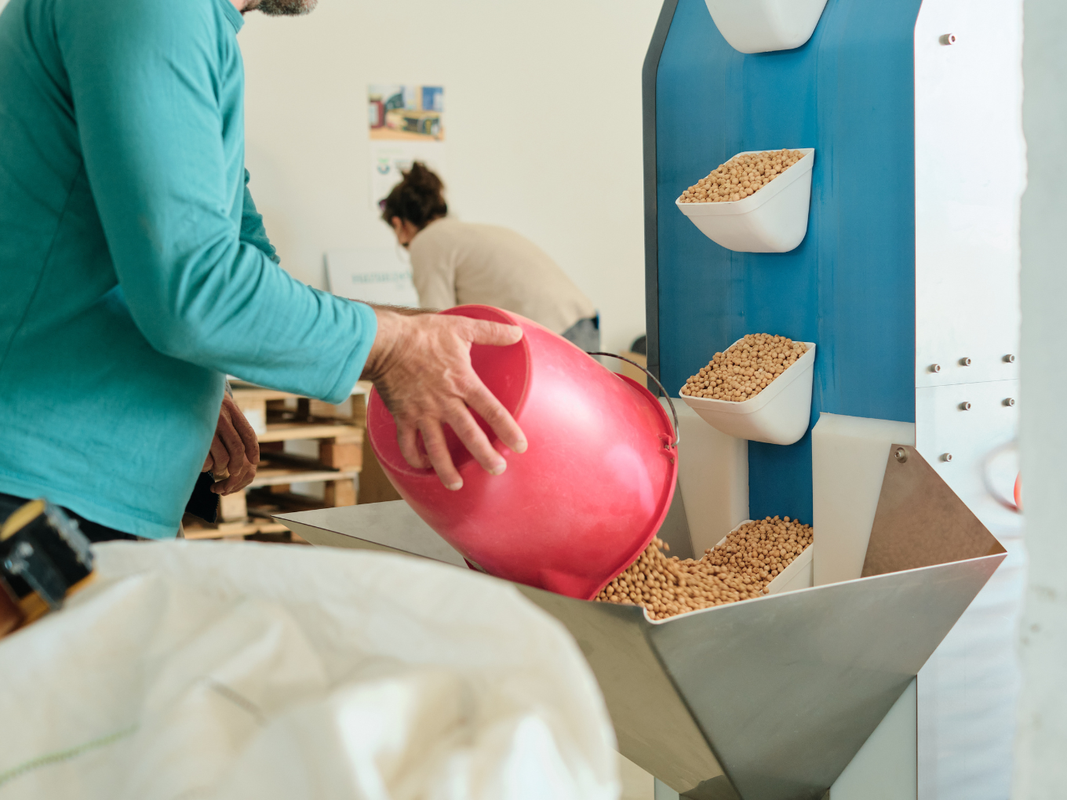
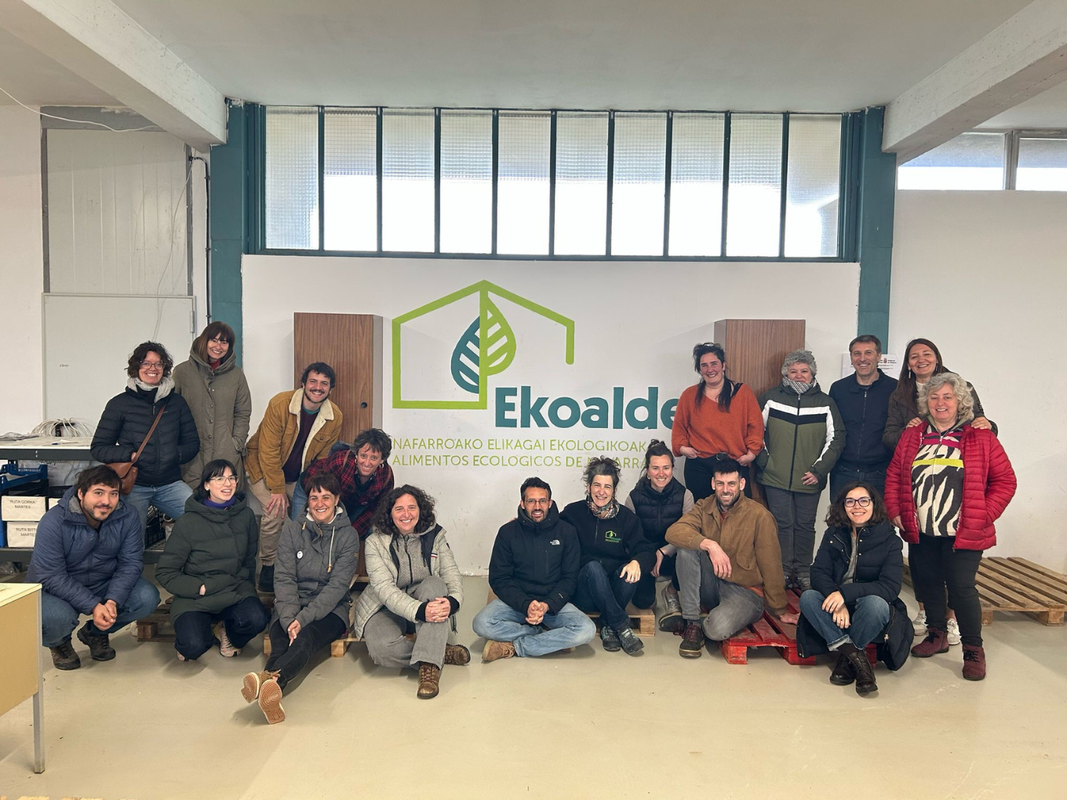
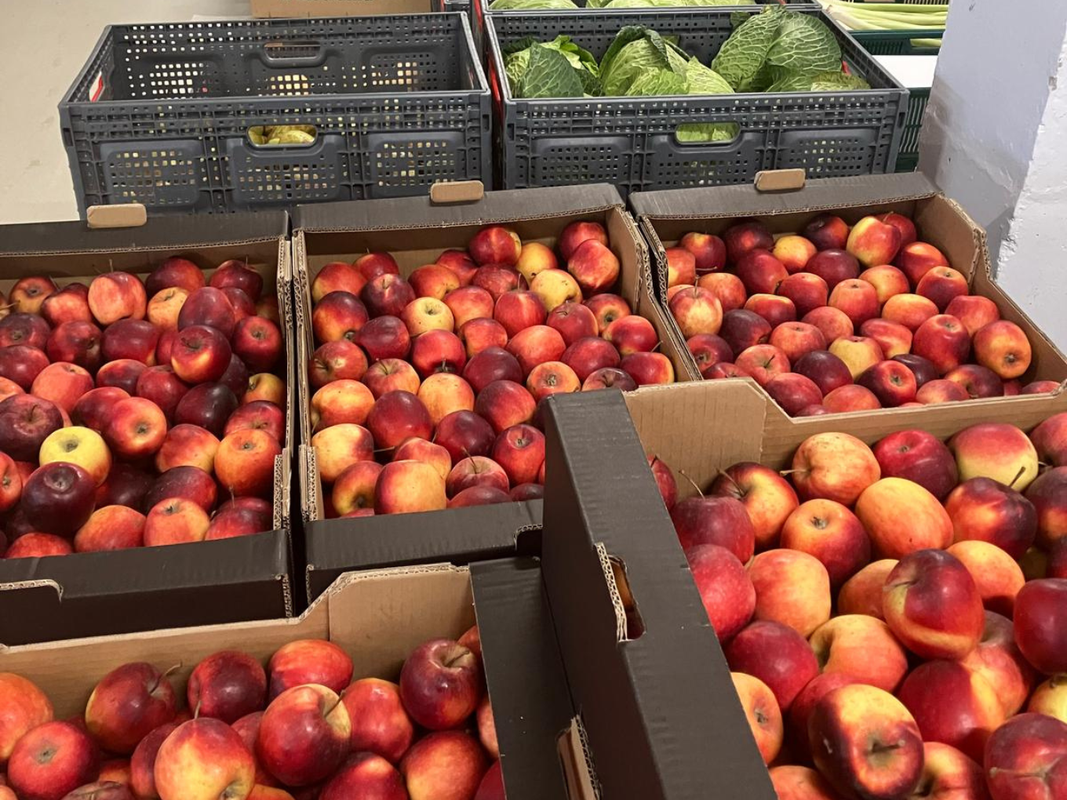
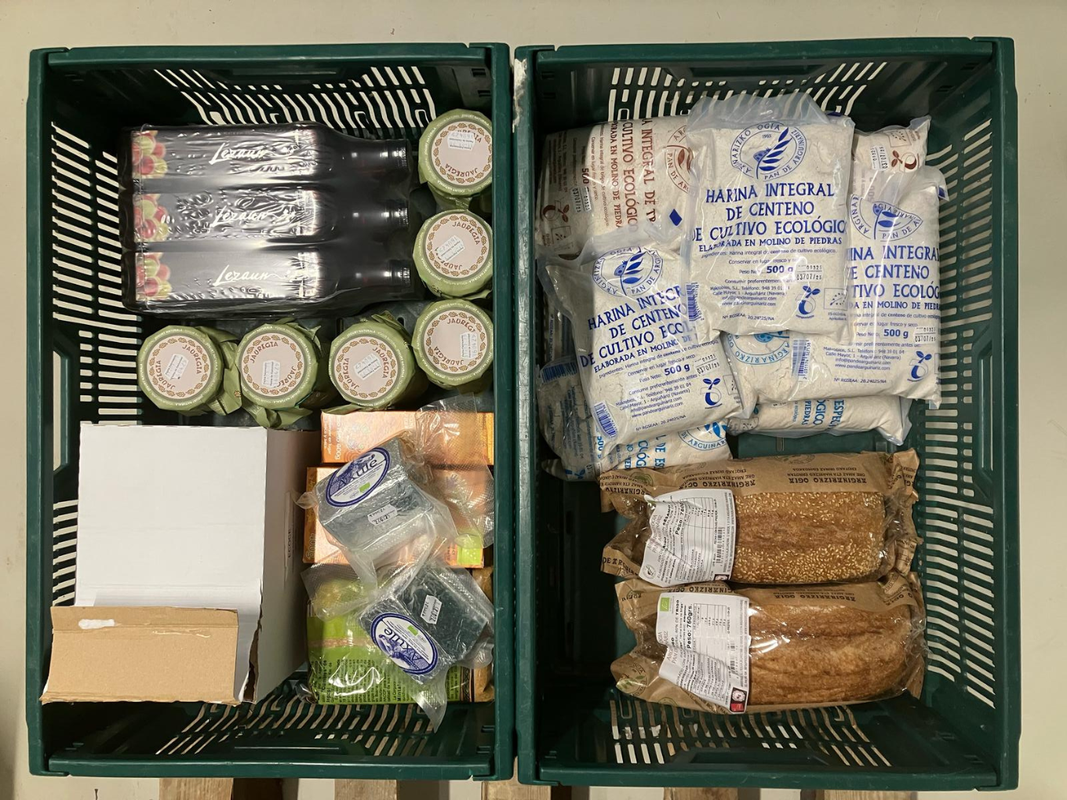
On the second day of the meeting, we visited and got to know up close the work centres of sustainable food projects in Navarre, which are benchmarks for these initiatives: the organic food collectives Ekoalde (a project supported by the Foundation outside the call for proposals) and Hazialdeko (a project selected by the Foundation in its call for proposals for sustainable food projects in Navarre). of 2021), in Noain; the operation of the slaughterhouse of the Kalaska livestock cooperative (a project selected by the Foundation in its 2023 call for proposals for Del Campo a la Despensa), in Etxarri Aranatz; and a community dining room for the elderly of the Ansoain City Council, which is an example of how agri-food can contribute to the benefits of social environments.
The impact of food systems in rural environments
While it is true that society identifies the rural world with agriculture, not all activity in these environments is directly or indirectly related to agriculture. The reality is that these territories face great challenges and needs that, with the formation of local food systems, can be addressed in a transversal way. It is in this context that the KmTierra pilot program seeks to identify how these projects can generate an impact in this regard.
It is the initiatives themselves that, knowing the singularities of their territory, develop their own agendas these months:
Arran de Terra (Recoopera) has promoted cooperation initiatives with other cooperatives in different territories of Catalonia to work to prevent the loss of agricultural heritage, promote the agroecological transition and create synergies to move towards more inclusive, sustainable food systems with a greater capacity for transformation and social impact in the territory.
Maisdetres (Daquidarredor) has worked on the organisation of production and consumption for the defined territory, direct relations to establish a local food system between producers, consumers, socio-economic entities and Galician administrations, while taking the first steps to develop a PPP for the purchase and sale of products, inventory, payment and logistics organisation.
Meanwhile, Mirua (Kilómetrotierra) has been able to influence and advance in the work with the entities of the organic primary sector of Navarra, work on public policies and their landing with local entities, and as a result of all this it prepares a conference that will promote knowledge within the territory and collaboration networks.
For Heliconia (Sowing the Relay), the financial support of this program is focused on guaranteeing generational renewal. In this way, work is being done with citizens to improve access to consumption with awareness-raising activities, with the promotion of consumer groups or educational campaigns to promote local products. In addition, a horticultural cooperative is being promoted in the Community of Madrid and the consolidation of a labour and social insertion company in the agricultural sector is being supported.
CERAI (Horta Cuina) has continued to consolidate its work with schools in the Valencian Community, not only in food distribution but also in awareness-raising, as well as with the tutoring of collective catering companies and with the professionalization of its cooperative project.
The meeting of participants of the KmTierra pilot program is an important step for the development of these initiatives, which we will continue to accompany in the coming months. The objective is to generate their own food systems, improving the impact of these projects in the agricultural world on rural life and in their territorial areas.
In turn, this program is an evolution after the good results of our call for Territorialized Food Systems (SAT), which accompanies projects focused on public policies for sustainable food, and which, with this step, seeks to promote the consolidation of connectors of active initiatives in each territory.