Socially engaged art
17 September, 2024
Seven projects selected in the call for Alliances for a Cultural Democracy


September is the time for the start of the school year, for good news, for the release of new school material. From the Daniel and Nina Carasso Foundation we begin this academic year together with the seven projects selected in the third call for Alliances for a cultural democracy. These projects that involve very diverse agents will receive funding and support to implement processes that promote citizen participation in cultural initiatives.
Alliances for a Cultural Democracy is the youngest call launched by the Foundation. Even so, it is well established among the communities it appeals to and the number of applications received has not stopped growing since its first edition in 2020. During this time we have accompanied almost twenty projects, from which we have extracted great lessons about how alliances can involve citizens in cultural life. In this third edition, we have received 99 proposals with great potential to contribute to greater cultural democratisation, focusing on issues such as rurality, youth participation or cultural rights. All of them, approached through artistic disciplines such as the performing arts, visual arts, sound arts and those that hybridize several of them.
Culture shapes societies, so it is essential that citizens, as a whole, participate in it in an increasingly intense and democratic way. To this end, all agents of change must be coordinated and establish alliances and objectives that converge with each other. Cultural mediation is an ideal means to achieve these transformations
Anneke Raskin
Project coordinator of Citizen Art programs of the Daniel and Nina Carasso Foundation in Spain
Compared to previous editions, Alliances for a Cultural Democracy 2024 has experienced greater geographical diversity in the origins of the projects, greater citizen participation, a greater diversity of scale of the projects and even questioning entities of greater magnitude.
Beyond the quality of the proposals, the strength of the alliances has been surprising. I am sure that due to their variety they will contribute to enriching the cultural fabric in many territories
Pablo Martínez
Member of the jury of Alliances for a Cultural Democracy 2024
From among all the candidatures, and with a final budget of 500,000 euros, the jury has selected seven projects that we will accompany for a maximum period of three years. These initiatives will be carried out in different parts of Spain, such as Ávila, Barcelona, Cádiz, Castellón and Madrid.
All of them share the objective of blurring the usual boundaries between cultural institutions and civil society, in order to contribute to greater cultural democracy. They show us how, through transformative cultural mediation practices, the full participation of citizens is allowed.
The proposals vindicate heritage, the other History and the links between people, communities and territories that still need to be investigated, dialogued, experimented with and told to all citizens through different artistic expressions. All this under the premise of agreement between different people who join forces to eliminate inequalities and/or transform their closest reality through culture
Begoña Guzmán
Member of the jury of Alliances for a Cultural Democracy 2024
The selected projects have been:
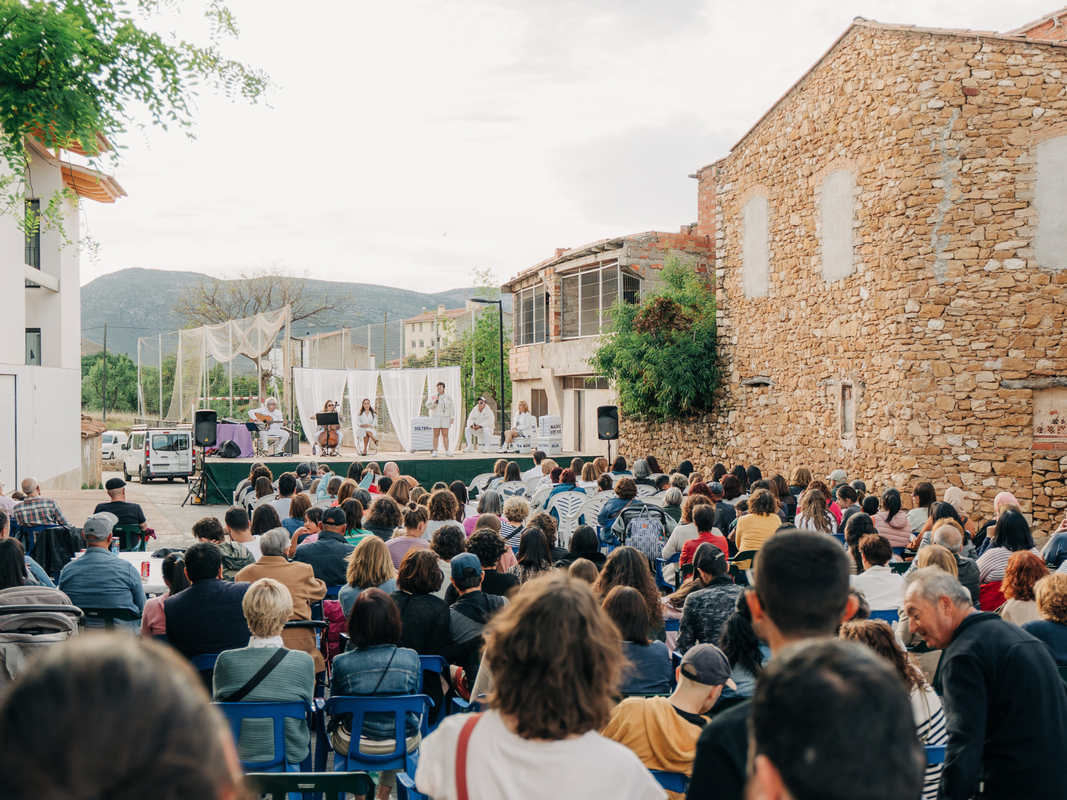
Xalar a l’Alt Maestrat. Performing arts festival participated by young people in rural areas
Associació Xalar Amb La Cultura
Castellón (Valencian Community)
This project consists of the realization of a performing arts festival in which young people from the Al Maestrat area, a rural space with low population density in Castellón, participate both in the choice of programming and in the production of the festival, as well as in the performances themselves. For two years, there will be an open call, a mediation process, workshops and training to select quality works that are likely to be part of the festival’s programming. In addition, visits to other theatre and performing arts festivals in Catalonia are organised with the aim of activating the critical gaze. Another of the key actions will be the linking and participation in the associative and community fabric, offering, during the festival itself, spaces for the exhibition and sale of local products and creations.
I count
33% Culture without limits
Madrid
This creative laboratory is developed by neuropediatricians and artists and aims to work through the arts to improve the quality of life of children with neurological diseases in pediatric patients, as well as their families and caregivers. To carry out the project, the figure of the resident artistic mediator (MAR) is created to manage the artistic proposals received in the hospitals, the impacts on the different groups are evaluated and the results are disseminated with the aim of replicating it in other centers. On previous occasions, an improvement in the emotional well-being of the participants and a strengthening of ties within the hospital community have been observed.
Weaving roots: memories, artistic creation and cultural
rightsAfro-Consciousness
Space AssociationMadrid
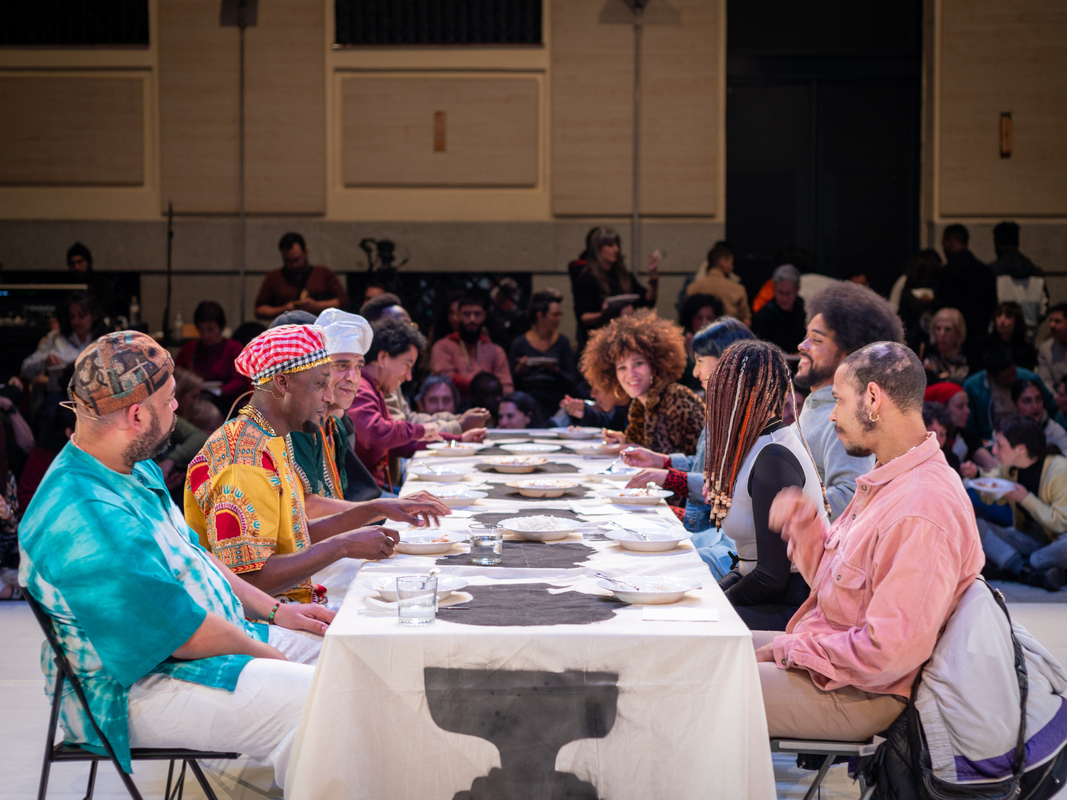
For a story to exist, it must be told. Weaving Roots is a project that seeks to create an Afro Archive that becomes one of the 9 state Historical Archives, to generate new stories that incorporate and make visible a group historically discriminated against in Spain throughout history, activating processes of memory, identity and reparation, but also the defense of the rights of Afro-descendant people. In addition, it includes the implementation of a seminar on cultural rights and an exhibition on marronage at the Museum of America.
MODUL
Contorno
FoundationBarcelona
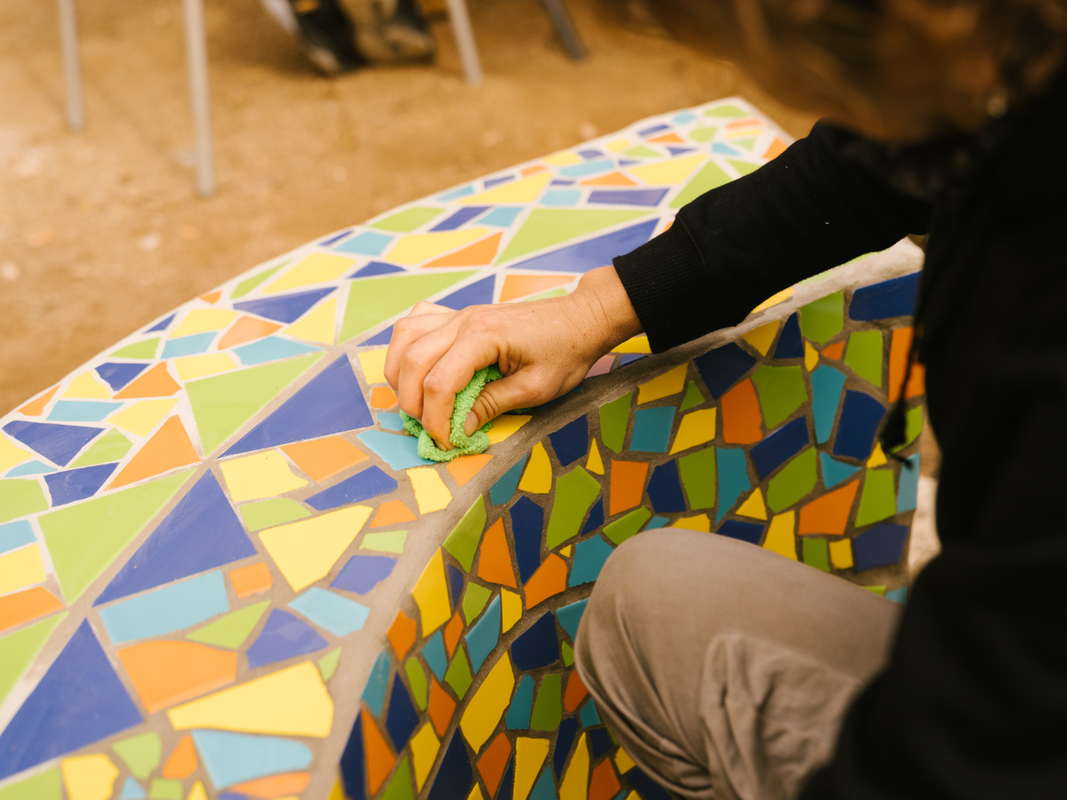
Since 2019, MODUL has been seeking to activate and mobilize the local population around sustainable development, culture and education through an innovative methodology. It focuses on vulnerable territories in the metropolitan area of Barcelona, where it seeks to reduce social inequalities through cultural facilities that promote cultural democracy and eco-social transformation. The initiative, supported by an expert entity in cultural mediation and artistic practices, installs modules in collaboration with local administrations to develop artistic, cultural and ecological programs. These devices work in a network and act as small cultural facilities porous to their environment and are located in spaces of opportunity with great community potential, eco-social transformation and greater coexistence.
Frogs and other types of humans
Under Tile
PlatformTalaveruela de la Vera (Cáceres)
What are queer lives like in rural areas? Why is there a tendency to associate the LGTBIQA+ community with large cities? The BajoTeja Platform, in alliance with other local groups and entities, develops this scenic and participatory laboratory to investigate these questions and respond to the lack of public policies around diversity. From the public administration, the City Council of Talaveruela de la Vera (Cáceres) is involved as an ally committed to cultural rights and diversity; turning the municipality into a regional benchmark in social and cultural development policies and promoting cooperation between peoples. As a result of the project, a methodological notebook will be developed that can serve as a guide for other municipalities, which will allow the project to be scalable and replicable.
Community Safeguarding Walks in the Fishing Village of Sancti Petri: Gender Imprints, Resilience and Good Living
Matriart Art and Eco-crafts
Village of Sancti Petri – Chiclana de la Frontera (Cádiz)
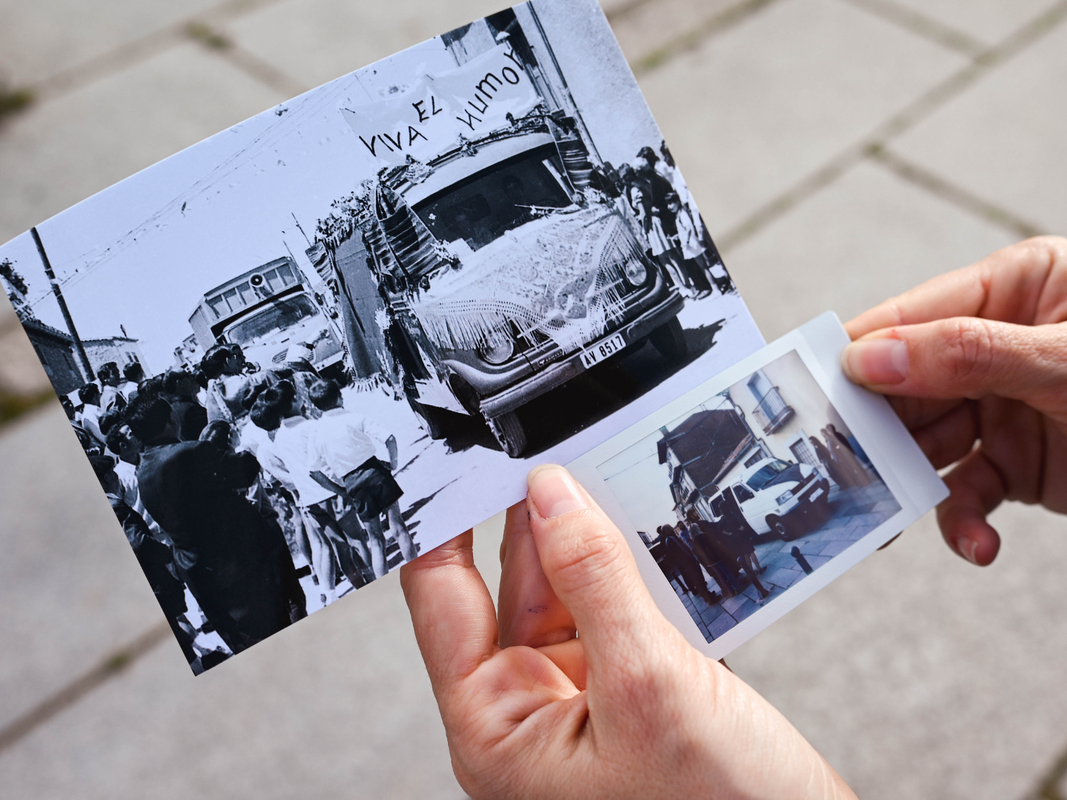
This project aims to recover and enhance the heritage of the town, currently in ruins, of Sancti Petri, known for its historic tuna canning industry in Almadraba. A collective of women seeks to restore the memory of the last inhabitants through artistic processes and cultural mediation, which include ephemeral interventions, commented walks and geolocated digital cartography. This digital layer is crucial due to the scarcity of buildings standing and the current tourist interest that lacks an interpretation center. In addition, the project offers an opportunity to discuss with the community of Chiclana about the uses and collective memory of the village, in the face of massive cultural events and stalled urban projects without memory.
Open Edge. Creative space for inclusion through art
Fundación Música Creativa
Madrid
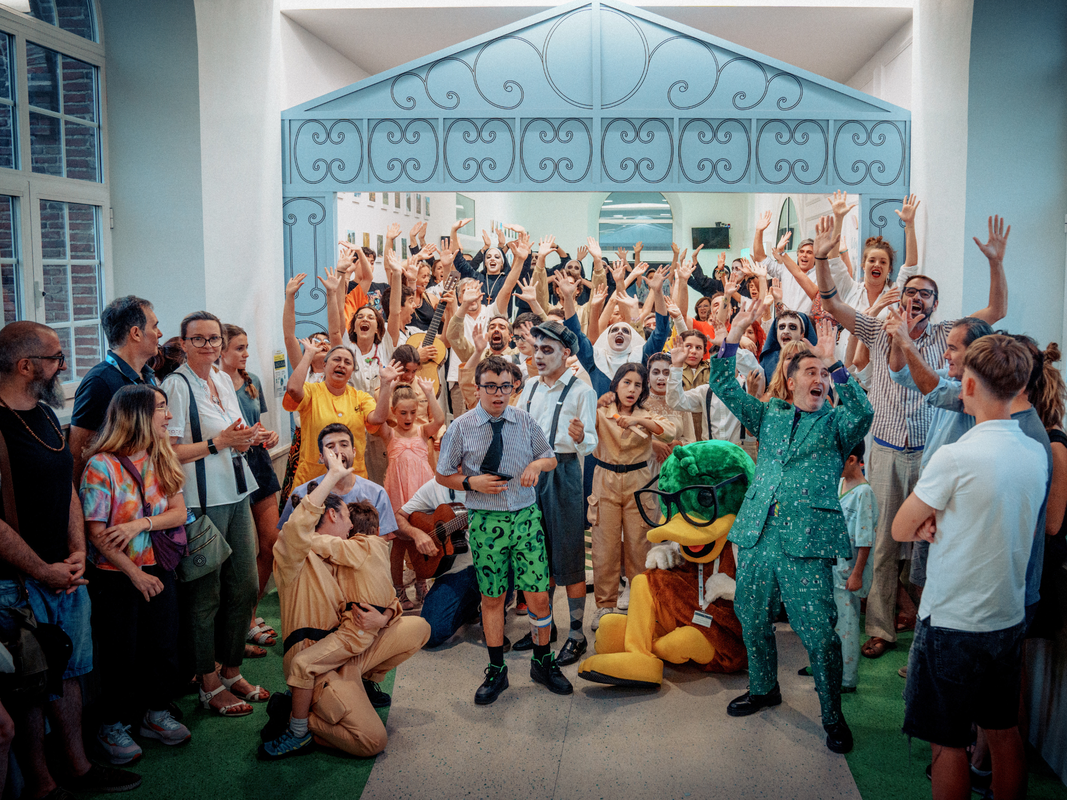
This inclusive and participatory choir is made up mostly of people with intellectual and developmental disabilities. With the creation of a stage play and a series of radio programmes, the project uses art as a vehicle to give voice to problems of people with disabilities that are uncomfortable (such as interpersonal relationships – friendship, love, sexuality, etc. – or the experience of unwanted loneliness at certain times in their lives). challenging social prejudices about disability, thus promoting real inclusion of this group.
Beyond financial
supportThe financial part is only one branch of a project’s tree. At the Foundation we understand that it is necessary to carry out active accompaniment and jointly generate learning that allows us to promote contact with other agents of change, such as initiatives related to our line of action of mediation and cultural democracy. In addition, next October the Kick-Off Seminar will take place in which all the selected projects will be hosted, in person, both from the Citizen Art and Sustainable Food axes.
Members of the jury:
Jesús Carrillo I Arthistorian and professor of History and Theory of Contemporary Art at the Autonomous University of Madrid
Amparo Moroño I Manager and mediator in rural areas. Head of the culture program of the Mancomunidad del Valle del Jerte
Cristina Alonso | Mediator and cultural manager, educator, co-artistic director of the Teatro L’Artesà del Prat del Llobregat and co-director of the Australian Research and Residency Space in the City of Buenos Aires
Pablo Martínez | Researcher and educator. Professor of History of Contemporary Art at the Autonomous University of Madrid and member of the Begoña Guzmán I Paisanaje
CollectiveExpert in cultural rights, cultural diversity and heritage. Head of Culture at UN ETXEA – Association of the Basque Country for UNESCO
Rafael Sanz Jiménez I Cultural Management and Production. Head of Service of the Sub-Directorate General for Cultural Cooperation with the Autonomous Communities of the Ministry of Culture


