Sustainable food
16 February, 2026
New call: the future of food starts with the environment


At the Daniel and Nina Carasso Foundation, we have been working for years with a clear objective: to promote real change towards more sustainable, fair and healthy food systems. The responsibility for transforming the food system is usually placed on individuals, although food choices are conditioned by structural factors beyond the control of the individual. At the same time, reality shows that less healthy and unsustainable foods are the most available and accessible option geographically and economically.
This problem especially affects the most vulnerable social groups, with less purchasing power and with greater exposure to food-related diseases; accentuating inequalities in health. Proof of this is the evidence shown by various studies, which show that, in neighbourhoods with a lower socioeconomic level, as well as in peripheral or rural areas, the supply of healthy and fresh food is scarcer. Or that the density of junk food establishments near schools is twice as high in low-income neighbourhoods as in higher-income neighbourhoods.
For this reason, we have decided to go a step further and open a next call that seeks to promote food environments conducive to healthy and sustainable eating. That is, to promote environments in which the choice and acquisition of healthy and sustainable food is the most desirable, accessible, promoted option, while limiting the availability and opportunities for promotion of foods associated with unhealthy and unsustainable diets.
Examples of food environments
Examples of food environments

Examples of food environments
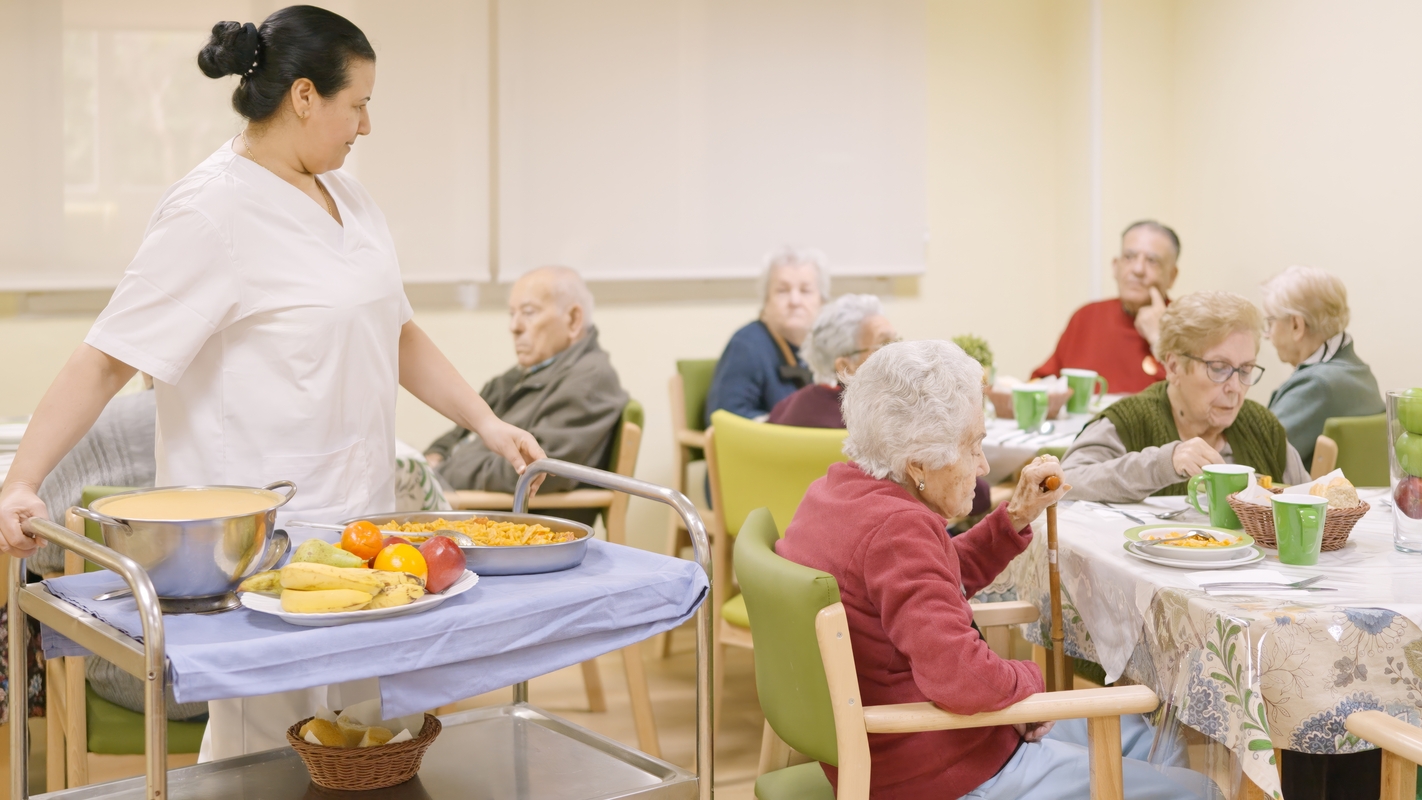
The food environment refers to the set of physical, economic, political, cultural and social conditions that influence the selection of our food. It includes everything from the availability of different types of food to prices, the types of establishments within our reach, food advertising, our cultural preferences and economic possibilities, decisions based on which people interact with their food.
In recent years we have supported initiatives linked to sustainable consumption, social innovation and food education. However, we have learned that to achieve structural impact it is also necessary to intervene in the context and ensure that the healthy and sustainable option is no longer the exception and becomes the norm. This new call is born precisely from this strategic reflection.
On March 2 we will launch a call aimed at supporting projects that manage to transform the patterns of demand and consumption of food in a given territory and that promote transformations at different levels: community, institutional and commercial. We are looking for proposals that have an impact on the availability, accessibility, affordability or attractiveness of healthy and sustainable food, especially in contexts marked by greater inequalities.
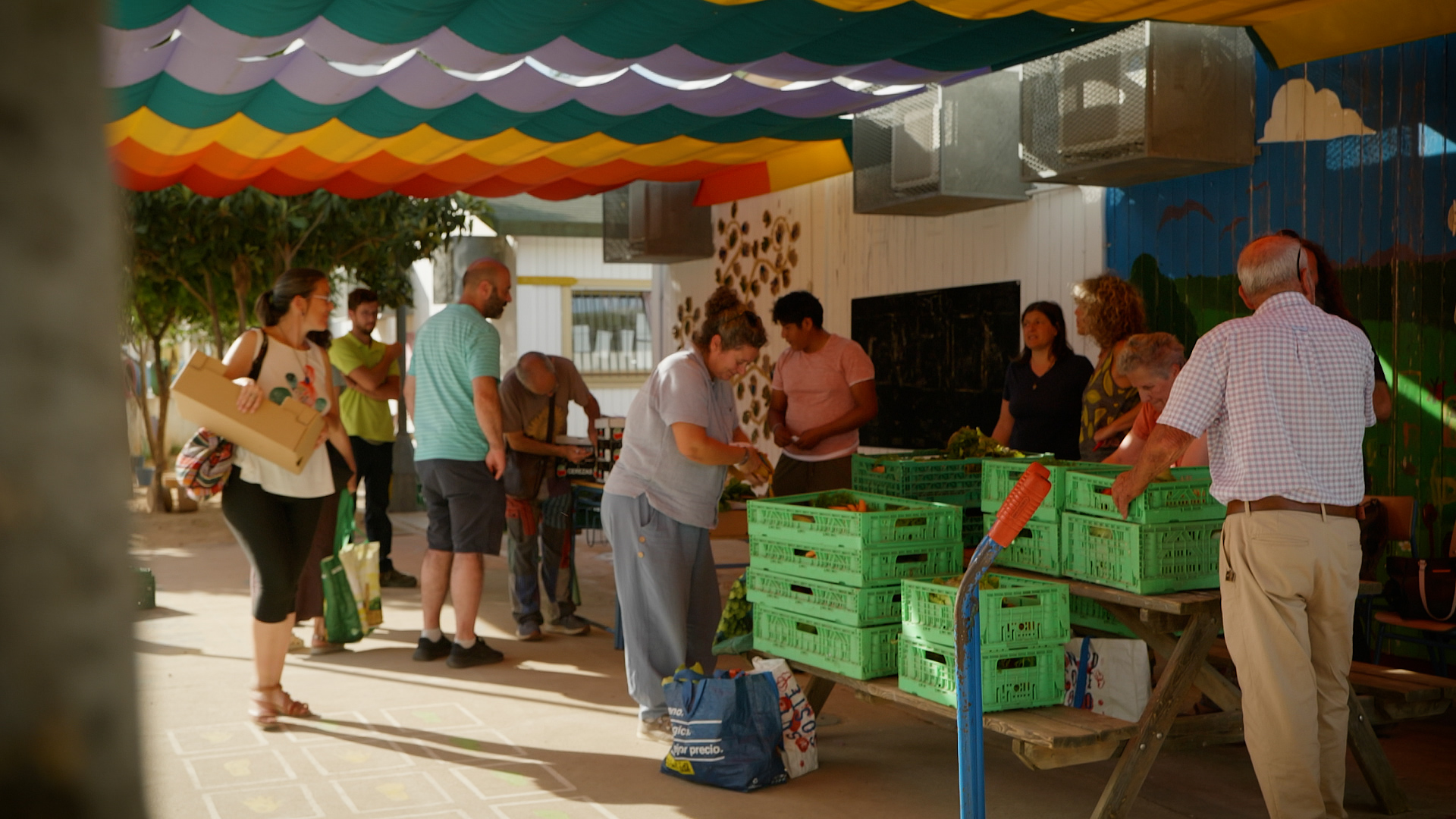
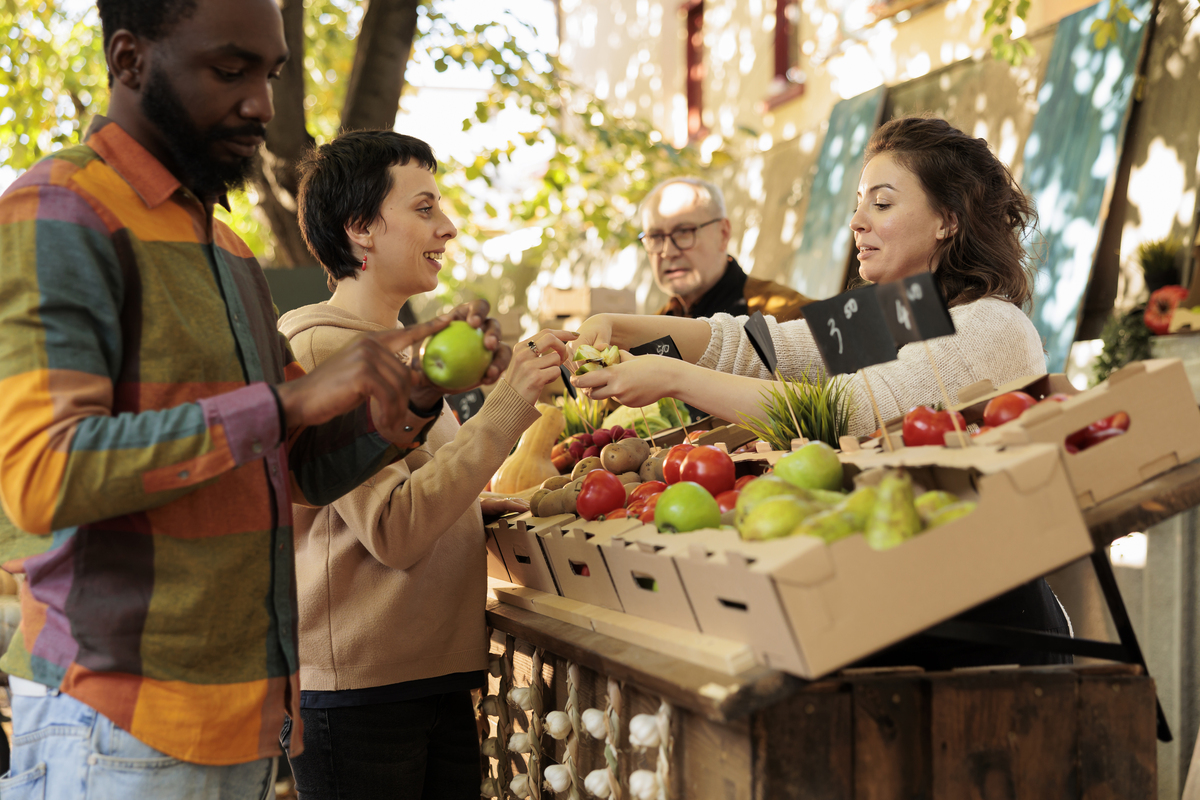
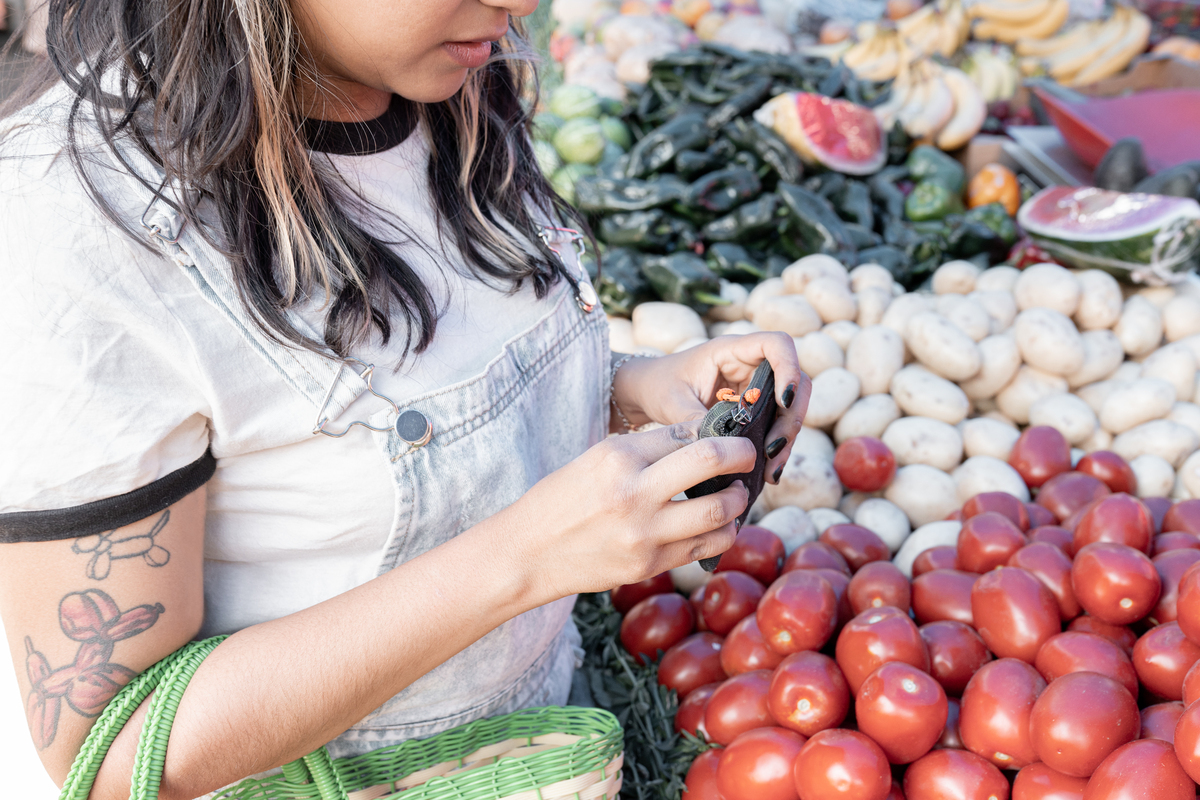
We are interested in initiatives that work, for example, on improving the food supply in schools, on the creation of local trade networks with sustainable products, on the redesign of sales spaces to promote healthier choices or on innovative campaigns that influence perceptions and behaviours from a systemic approach. We know that these environments are the result of multiple decisions and actors, which is why the call is open to social organizations, educational entities, local administrations, cooperatives, impact startups and multisectoral alliances that understand the complexity of the system and work collaboratively.
We believe that intervening in these environments is one of the most powerful levers to improve public health, reduce the environmental impact of the food system, and strengthen local economies. Changing the context means transforming the rules of the game and making it easier for millions of daily decisions to be oriented towards more sustainable models.