Socially engaged art
12 September, 2023
We announce the nine projects selected in the Compose Knowledge call


At the Daniel and Nina Carasso Foundation we begin this new academic year by welcoming the nine projects selected in Composing knowledge to imagine and build sustainable futures, a call with which we accompany projects based on collaboration between artists, researchers from any scientific discipline and citizens to address the ecosocial challenges of the present. These projects will receive funding and support for their implementation or consolidation.
Composing knowledge is the longest-running call we have at the Foundation. Since 2015, and on a biennial basis, we have accompanied more than 40 projects in both Spain and France, extracting great learnings from the various possibilities in which the artistic and scientific community can collaborate and open up to the public, allowing new articulations between two of the great “stories” about the world, the scientific and the artistic.
In this fifth edition of the call we have received 88 proposals with great potential and awareness to deal in a transversal way with current concerns and challenges such as an emptied Spain, water or desertification, facing them from different disciplines – music, sound art, visual arts, process art or performing arts – and with a great heterogeneity of profiles promoters of the projects – artists, associations, architects, researchers, foundations, etc.
Compared to previous editions, Componer Saberes 2023 has experienced greater decentralization in its origin, with proposals from almost all the autonomous communities, and an increase in the number of candidacies submitted directly by artists.
From among all the candidatures, and with a final budget of 500,000 euros, the jury has selected nine projects that we will accompany for a maximum period of three years. These projects will be developed in points as different from the Spanish geography as Cordoba, Lleida, Zaragoza, Donostia, Madrid, Barcelona or Palma de Mallorca.
They all share the goal of inspiring, raising awareness, and mobilizing the community. They show us how to take care of the Earth and promote the necessary change in the face of the growing and accelerating climate crisis we are facing.
“The selected projects brilliantly illustrate how it is possible to articulate creative ecologies that give rise to a true dialogue between different actors and disciplines, and also constitute a place of meeting and exchange for local communities. In this call, it has been especially valuable to see the capacity of the projects to generate alliances between art and science in which artistic practices function as true engines for the generation of knowledge and the opening of new imaginaries,” says Susana Arias, member ofthe jury of Componer Saberes 2023.
“This edition is framed in a context of accelerating the pace of overcoming the points of no return of the Earth’s climate system. Placing the climate crisis as one of the essential challenges to be addressed is no longer an option, so it is inspiring to see the potential of all these initiatives to address this challenge, and the challenges in terms of social justice derived from this context, and to address them through the convergence between the artistic and scientific community and citizens”.
Pepa Octavio de Toledo
Director of the Citizen Art Axis of the Daniel and Nina Carasso Foundation in Spain
The selected projects have been:
Biotic cities: towards a programme of socio-ecological regeneration of public space.
PEZESTUDIO
Madrid and Bilbao
Biotic Cities is a project that proposes the transformation of the design and construction of the public space of our cities. During two years of collaborative work, three objectives are proposed: to highlight the knowledge needs of citizens as users and co-users of public space, to test pilot projects of urban transformation that put living capital at the centre and to create a community of theory and practice from mediation. Among the key actions of this initiative we find a participatory research process where the main concerns in relation to public space will be elaborated to convene the scientific community and public entities and an action plan for the socio-ecological regeneration of the nearby public space.
COSTA // Observatory of Culture and Sustainable Tourism
Casa Planas
Cultural CentrePalma de Mallorca
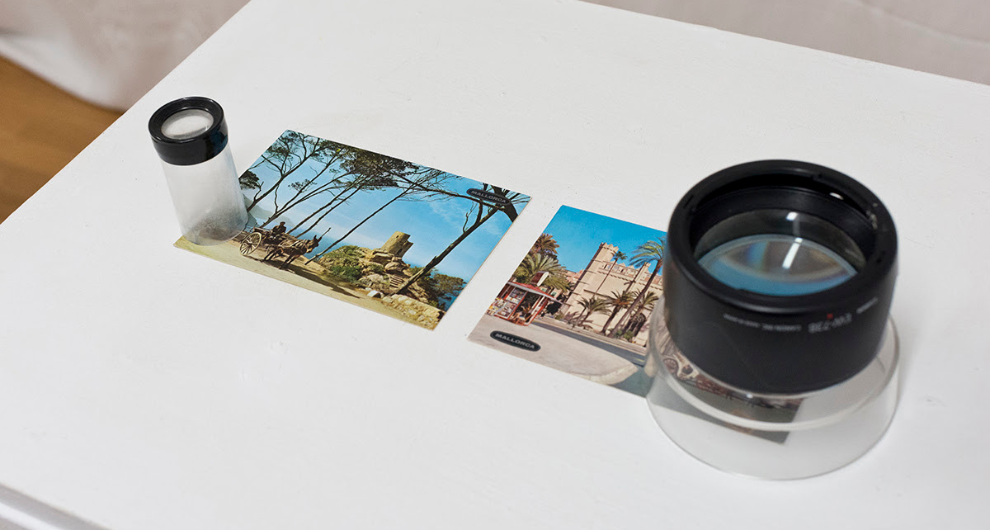
Founded in 2015 in Mallorca, Casa Planas is a cultural association whose mission is to promote the creation and collective memory of tourism. It has 17 artists’ studios and an archive with more than 3 million images of this activity. Through the Observatory of Culture and Sustainable Tourism // COSTA project, a three-year programme is proposed to combat climate change by analysing the impact of tourism on the territory and promoting its eco-social transformation. All this through the creation of a platform for meeting and collective knowledge in the format of an interdisciplinary study group and the development of artistic and academic research residency programs with material from the Planas Archive. Subsequently, an international event will be organized to share, discuss and disseminate the results obtained.
Listening to Plants: Sound Atlas to (Re)Know Other Intelligences
Institute of Plant Molecular and Cellular Biology. CSIC
Valencia and Barcelona
Are there other intelligences other than humans? Can we listen to and understand plants? IBMCP, VRAIN and Colectivo Estampa combine their respective talents in plant biology, artificial intelligence and artistic research to (re)recognize and make visible the existence and agency capacity of other intelligences. The project “Listening to Plants: Sound Atlas to (Re)Know Other Intelligences” consists of a two-year collaboration between artists and scientists for the creation and dissemination to society of an atlas of the ultrasound produced by plants in different environmental conditions, using artificial intelligence as a link between plant and human intelligence. The project aims to challenge the anthropocentrism in which we are immersed and to make a difference in the existing narrative, functioning as an intellectual and aesthetic fertilizer that inspires local knowledge and actions for a necessary eco-social transformation.
Garba
Lo Pati – Terres de l’Ebre
Art CentreTerres de l’Ebre (Catalonia)
Lo Pati – Centre d’Art Terres de l’Ebre is an art centre located in Amposta and with a strong link to the geographical area and action in which the proposal is framed: Terres de l’Ebre. The Garba project of the team formed by the researcher and designer Sara González de Ubieta, the curator and writer Marc Navarro and the artist David Bestué consists of locating and valuing waste materials generated by the economic activity of the Ebro Delta from an environmental, social and cultural perspective. At the organisational level, the project will be divided into quarterly meetings for two years that will allow in a first phase to locate and come into contact with companies and organisations in the territory, to propose uses and properties of materials through workshops and, finally, to present the result of the project in the format that best suits its conclusions.
Monte Cambeiro: creative
landAZUL MAIS VERDE Sociedade Cooperativa Galega
Costa da Morte (Galicia)
For thirteen months and from the alliance between the Boca de Sapo ecosocial association, the cultural association Universidade Cromática das Virtudes and the Azul mais Verde cultural cooperative, all of them located in Costa da Morte (Galicia), a process of recovery of the Galician landscape and the local native forest carried out in Corcubión under the model of land stewardship will be consolidated. From a magical symbiosis between the arts and the natural and social sciences, it seeks to awaken a sensitive and critical citizen and community awareness of the transformations that sacrifice the ecologies and balances of ruralities, trying to reverse at the same time the disappearance of the community and cultural sense linked to these small contexts.
Die cool. Collective learning to redesign death
DU-DA
Barcelona, Donostia, Madrid and Córdoba
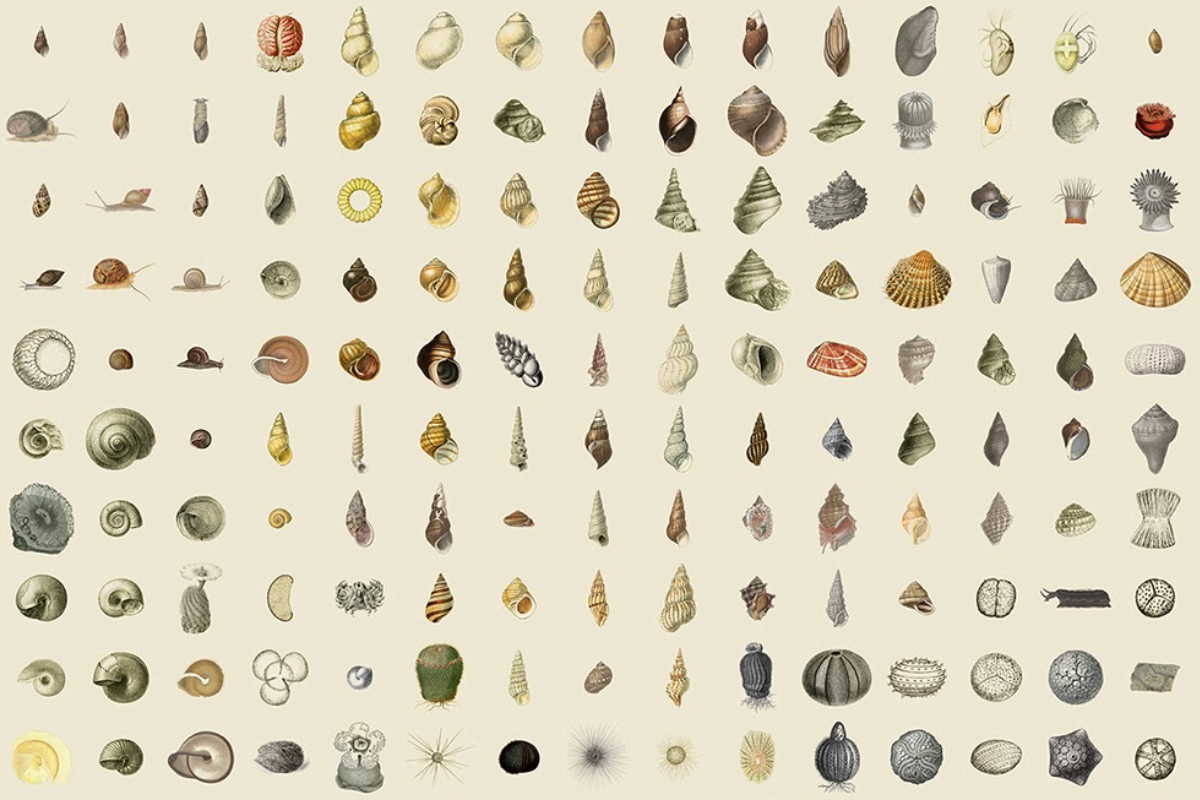
MORIR GUAY is a line of research of the mediation, creation and artistic research collective DU-DA. It is a proposal in collaboration with the biologist Jordi Miralles to rethink the prevailing discourses and protocols around death, delve into the environmental impact of the funeral industry and promote an alternative vision from artistic experimentation and respect for our environment.
From this perspective, the project will create a stage piece and will develop a pedagogical program, a prototype of ecofunerals and an audiovisual archive with the help of experts in different subjects. All this with the aim of achieving a paradigm shift that enhances sovereignty and ecology in relation to dying.
River breathing. Affection and remediation in 4 rivers, 3 cities and a community
Zaragoza City of Knowledge Foundation
Lleida, Barcelona, Zaragoza
This project seeks to encourage an essential change in our relationship with water. Its objective is to form a new river culture and affectivity with the transfer of knowledge, techniques and experiences between scientific, artistic, technological and activist communities with the aim of strengthening the capacities of citizens and interconnection of territories under the same hydrocentric perspective, ignoring the different jurisdictions, administrations and communities that govern the Ebro, Segre and Llobregat.
To reverse environmental damage, the creation of river basin remediation actions is proposed by transforming human relationships with rivers and the other species that are part of their life cycle.
Greenup. Plant ecophysiology and awareness for the conservation of native
forestsMaría José Jove/MUV Foundation
Native forests of Galicia and Portugal
From the MUV, the artistic and cultural platform of the María José Jove Foundation, this multidisciplinary cultural project was born to move towards an ecological perspective in relation to the sustainability, conservation and recovery of the native forests of Galicia and Portugal. Its main objective is to contribute to the dissemination of an innovative scientific discipline: plant ecophysiology and its contribution in the current context in relation to the climate crisis, the degradation of the biosphere and the accelerated loss of biological diversity and endemism.
All of this is based on research, artistic production, environmental awareness, dissemination, motivation and citizen action, in relation to the monitoring of the results of innovative and pioneering scientific research: “UNPLATOS. Uncovering woody plant adaptations to tolerate multiple abiotic stresses” by biologist Andrea Cerdeira.
All the footprints, the footprint
Energy aesthetics
Valdemingómez–Cañada Real landfill (Madrid), scalable to more territories
Project by the Estéticas energéticas collective, formed in 2023 at the El Sublime Metabólico Prototyping Laboratory (Medialab Matadero), whose objective is to reduce the manufacture of Portland cement – one of the main causes of greenhouse gases – by creating an eco-socio-cultural construction prototype with ashes from the burning of industrial waste from landfills as raw material to make its possibilities and potential as a material visible less polluting alternative. The goal is to reduce CO2 emissions with a systemic vision, offer alternative solutions to vulnerable populations adjacent to landfills such as Valdemingómez, harmonize public-private interests and territorial planning and regenerate landscapes.
The beginning of an accompaniment
The Foundation’s support goes beyond the financial part and tries to walk hand in hand and generate joint learning with the different projects, as well as encouraging them to come into contact with other agents and actors in the field of arts and sciences. This exchange is to be put into practice in particular thanks to the ACTS Network that we promote from the Foundation and which aims to promote the exchange of knowledge between university, cultural and artistic environments, scientific and technological research in order to, from this hybridization of knowledge, address current problems and challenges.
In addition, on October 19 and 20, the Kick-Off Seminar will take place in which all the selected projects will be welcomed, in person.
Members of the jury:
Bárbara Fluxá – España | Visual
ArtistSusana Arias | Centre de Cultura Contemporània de Barcelona
Rosa Ferré | TBA 21
Tere Badía
Pau Alsina – España | Open University of Catalonia I ACTS
NetworkCarlos Mataix | Center for Innovation in Technology for Development
Header photo: image of the COSTA project // Observatory of Culture and Sustainable Tourism that proposes a program to combat climate change by analyzing the impact of tourism through research residencies and archive material.


