Sustainable food
26 June, 2025
Daniel Carasso Fellows 2025: Three researchers driving the food transition with a systemic perspective


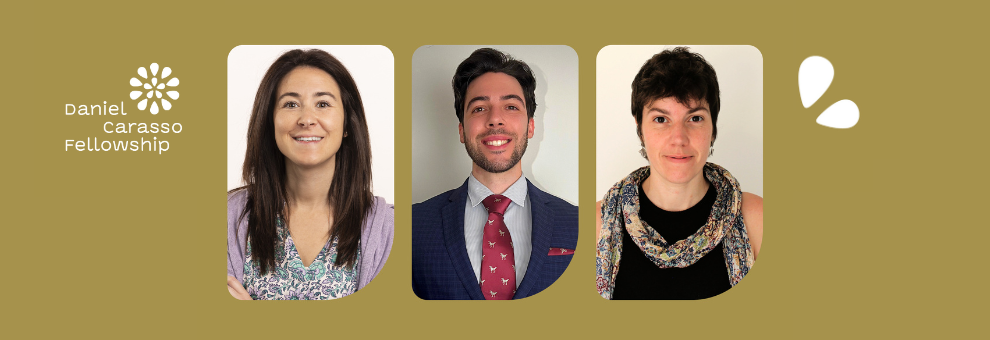
Alba Aguión, Francisco Javier Álvarez and Lucía Díez are the three winners of the 3rd edition of the Daniel Carasso Fellowship, our grants for postdoctoral contracts that promote the transformation of the food system from research and with a systemic perspective. Her research combines scientific evidence and social impact to address the challenges of sustainable food from perspectives as diverse as the governance of small producers, the recovery of agricultural waste and rural anthropology.
We are pleased to announce that researchers Alba Aguión, Francisco Javier Álvarez and Lucía Díez are the three winners of the 3rd edition of the Daniel Carasso Fellowship, our grants for postdoctoral contracts with which we support research projects with a systemic approach and with the capacity to transform the food system towards fairer, healthier and more sustainable models. As in the previous edition, this year we have awarded three grants endowed with 160,000 euros each, which cover the recruitment of the fellows and their research activities for 2 years.
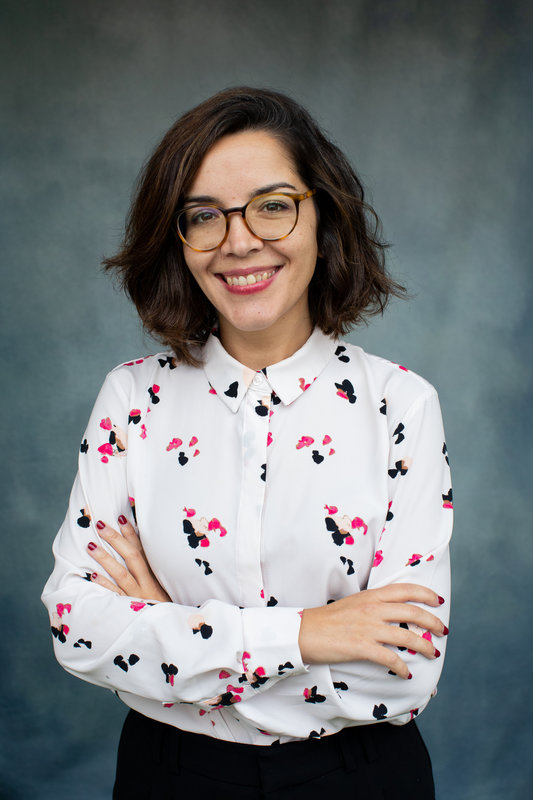
The goal of the Daniel Carasso Fellowship is twofold. On the one hand, to help consolidate young researchers who work in sustainable food and wish to develop their careers in Spain. On the other hand, to promote projects that generate synergies with the food chain, because only in this way will we achieve a systemic and lasting change in our society
Pilar Martínez
Head of Sustainable Food programs at the Daniel and Nina Carasso Foundation
This year we have recognised three projects that, through rigorous and participatory methodologies, combine scientific evidence and social impact to achieve a lasting transformation of our diet. The Daniel Carasso Fellows 2025 will support this transition from areas as diverse as the governance of small producers, the revaluation of waste and rural anthropology.
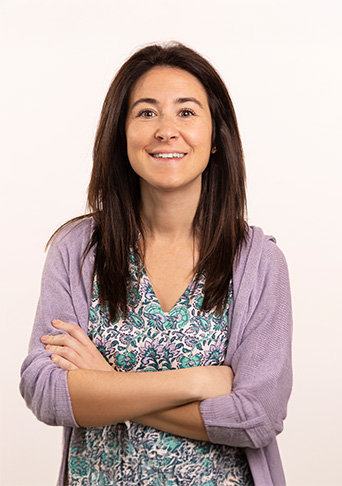
We can have the most cutting-edge technology, but without considering the people who support fishing or agriculture with their daily work, there is no real food transformation. Institute of Environmental Sciences and Technology (ICTA-UAB)
Alba Aguion
Alba Aguión will join the Institute of Environmental Science and Technology (ICTA-UAB) where she will analyse the role of local collective organisations – such as fishermen’s guilds, agricultural cooperatives and irrigation communities – in building resilient food systems. Faced with the growing pressure to adopt technological solutions, Alba will explore how these organizations combine traditional knowledge and social innovation to address today’s food challenges. In addition, Alba will work alongside agricultural and fisheries organizations to identify shared challenges and co-create action plans and policy recommendations that fit their needs.
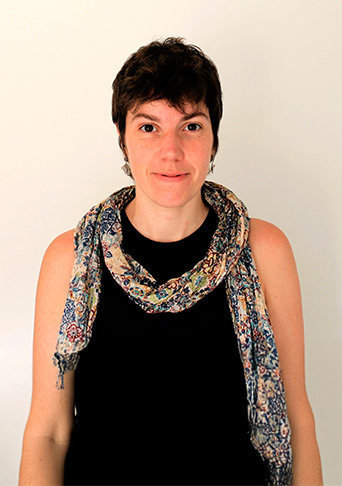
With this fellowship I want to understand agroecological transitions from a multidisciplinary approach, integrating their material, social and cultural dimensions. University of Barcelona
Lucía Díez
Lucía Díez will join the University of Barcelona to investigate how agroecological transformations impact, not only on the structure and physical functioning of territories, but also on the cultural, social and gender relations of the people who inhabit them. Applying interdisciplinary and participatory methodologies, Lucía will bring together two growing fields of research. On the one hand, social metabolism – which analyzes the flows of energy and materials between society and nature – and on the other it incorporates a biocultural approach – to explore the relationships between the biological and cultural aspects of people. Its objective is to understand the factors that favor or hinder the agroecological transition, integrating the knowledge of producers, to design strategies that make truly sustainable food possible.
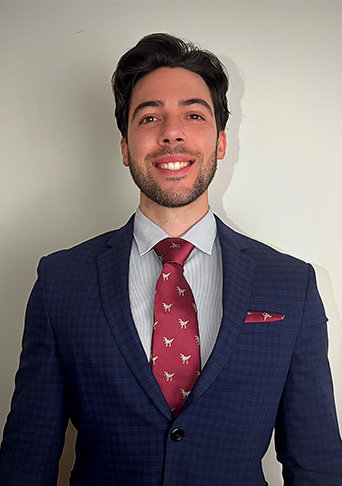
I investigate with the conviction that nature still holds answers for the challenges of our time. Institute for Research, Development and Innovation in Health Biotechnology (IDiBE-UMH)
Francisco Javier Álvarez
Francisco Javier Álvarez will continue as a postdoctoral researcher at the Institute for Research, Development and Innovation in Health Biotechnology of the Miguel Hernández University of Elche. Franciso Javier is developing a process to extract bioactive compounds from rice straw, a very abundant agricultural waste – especially in the Valencian Community – that poses significant management challenges and generates a considerable environmental impact. These compounds will be used in the production of smart, biodegradable materials with antimicrobial properties for food packaging. In addition to promoting the circular economy, the project provides an additional source of income for smallholders, who receive financial compensation for waste that until now had no value for them.
The three beneficiaries of the Daniel Carasso Fellowship 2025 were selected from among the 76 applications received – the highest number to date – by a jury made up of top-level researchers and members of the Foundation. In this third edition, the jury was made up of Danièle Magda, researcher at the French National Institute for Research on Agriculture, Food and the Environment (INRAe) and president of the jury, Raquel Ajates, researcher at the UNED and Daniel Carasso Fellow 2021, Ignacio Atance, director of the Studies and Publications Service of the Grupo Cajamar Foundation, Esther López, professor in the Department of Preventive Medicine and Public Health and Microbiology at the Autonomous University of Madrid (UAM), David Peris, senior scientist at the Institute of Agrochemistry and Food Technology (IATA-CSIC) and Lucía Casani, general director of the Daniel and Nina Carasso Foundation headquarters in Spain.
Four years supporting systemic research in sustainable food
The way we feed ourselves is at the root of many of the imbalances that threaten ecosystem stability and social well-being. However, this system, which is part of the problem, can also become the solution if we opt for more sustainable models. Aware that this transformation will only be lasting if it is based on scientific evidence, in 2021 we launched the Daniel Carasso Fellowship, a postdoctoral contract grant programme that supports researchers committed to the transition to a fairer, healthier and more sustainable food system.
This year’s was the third edition of our fellowships – the previous ones were in 2021 and 2023 – which so far has recognised the work of eight researchers working for the transition of the food system from areas such as nutrition, public policies, soil science and marine ecology, among others. The Daniel Carasso Fellowship promotes research projects that address the challenges facing the food system from a systemic perspective, eliminating the barriers that turn disciplines into watertight compartments.
In addition to financial support, the beneficiaries of the Daniel Carasso Fellowship are integrated into the SABE Community (Evidence-Based Food Sustainability), an interdisciplinary network that promotes the food transition through the generation of evidence and with a focus on social impact. The objective of this community is to create a space for dialogue and cooperation between science and actors in the food chain to work together in the search for and implementation of more sustainable solutions in Spain.
Press kit in Spanish - 2025
26 Jun. 2025 · PDF 2 MB
Committees Jury - 2025
List of the members of the guidance committee, the pre-selection committee and the jury of the Daniel Carasso Fellowship 2023
26 Jun. 2025 · PDF 23 KB