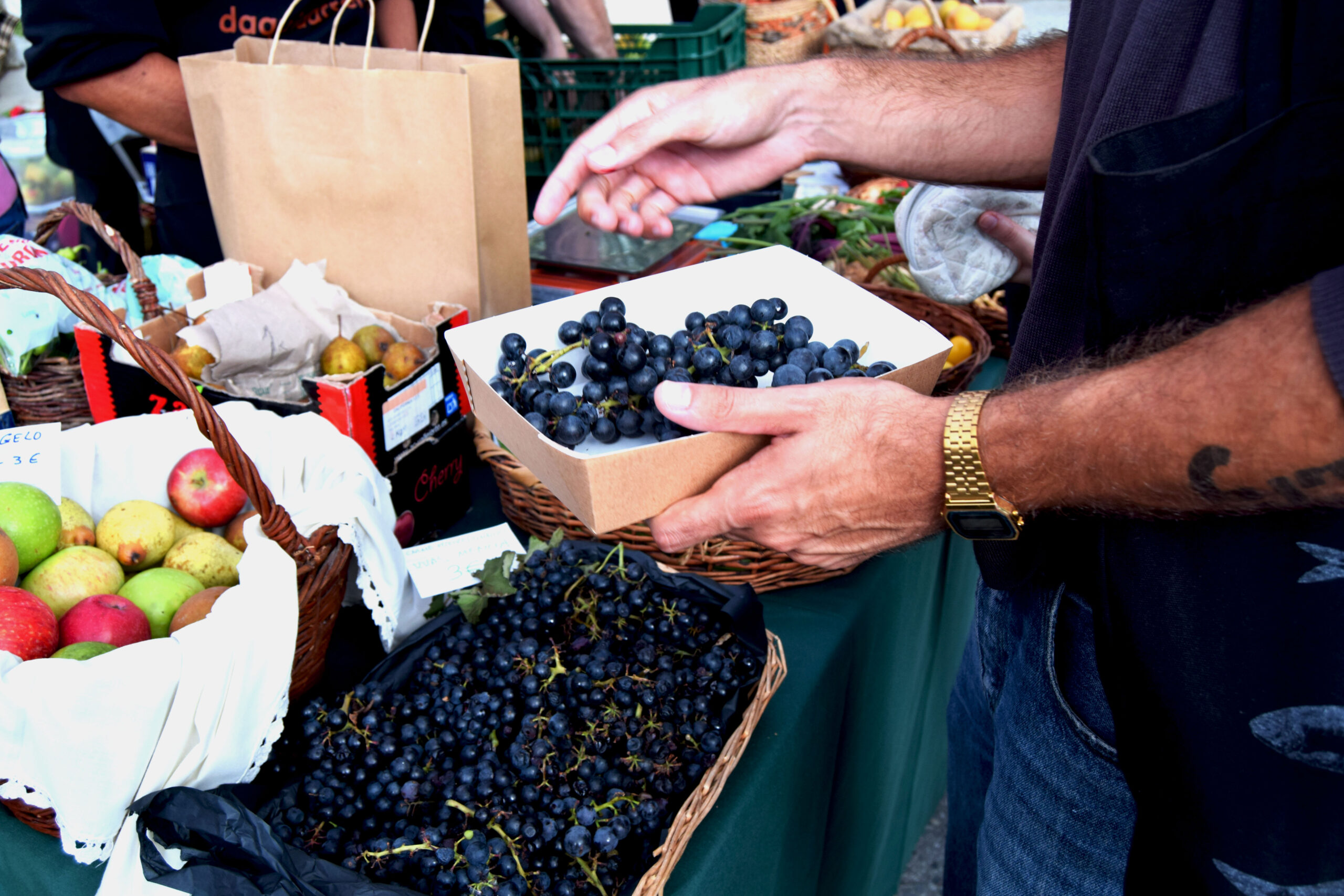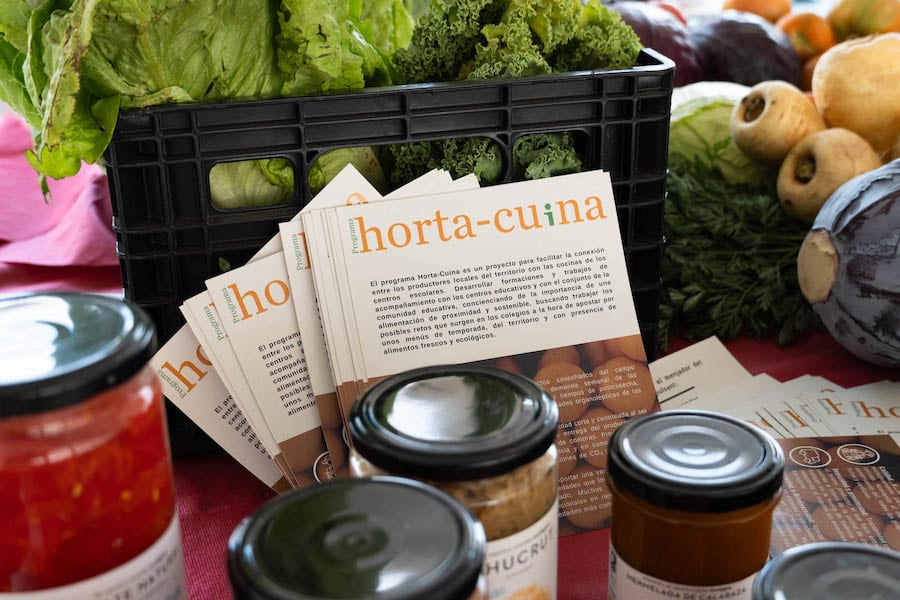
Local production for school meals
Horta-Cuina addresses a core challenge of sustainable food: making it possible for locally grown fruit and vegetables to reach school menus on a stable basis. To do so, the project organises the relationship between agroecological production, kitchen teams, canteen management companies and schools.
La información publicada por CERAI para el curso 2025-2026 sitúa el alcance del programa en more than 70 schools and more than 20,000 daily diners.
The school canteen thus becomes a strategic space. Además de alimentar cada día al alumnado, puede reforzar la educación alimentaria, acercar el territorio a la comunidad educativa y mejorar la viabilidad de pequeñas y medianas explotaciones agrarias.
An Agrarian Transformation Society to organise supply
The project’s operational base is the Horta-Cuina Agrarian Transformation Society (SAT), created in 2023 by agroecological producers interested in jointly accessing the collective catering channel.
La SAT coordina la oferta disponible, planifica suministros, organiza pedidos, albaranes, facturas y trazabilidad, y facilita la distribución de productos frescos a los centros escolares. This model makes it possible to meet the needs of kitchen teams with a pooled offer, collectively agreed prices and more efficient logistics.
The involvement of Mercavalència and the Ecotira collection centre strengthens this logistical dimension. The project thus has an infrastructure that makes it possible to receive, store and distribute organic and locally sourced food with greater responsiveness.
Support, partnerships and the educational community
Horta-Cuina also works with kitchen teams and canteen management companies to adapt menus to seasonality, the quality of local produce and real supply possibilities.
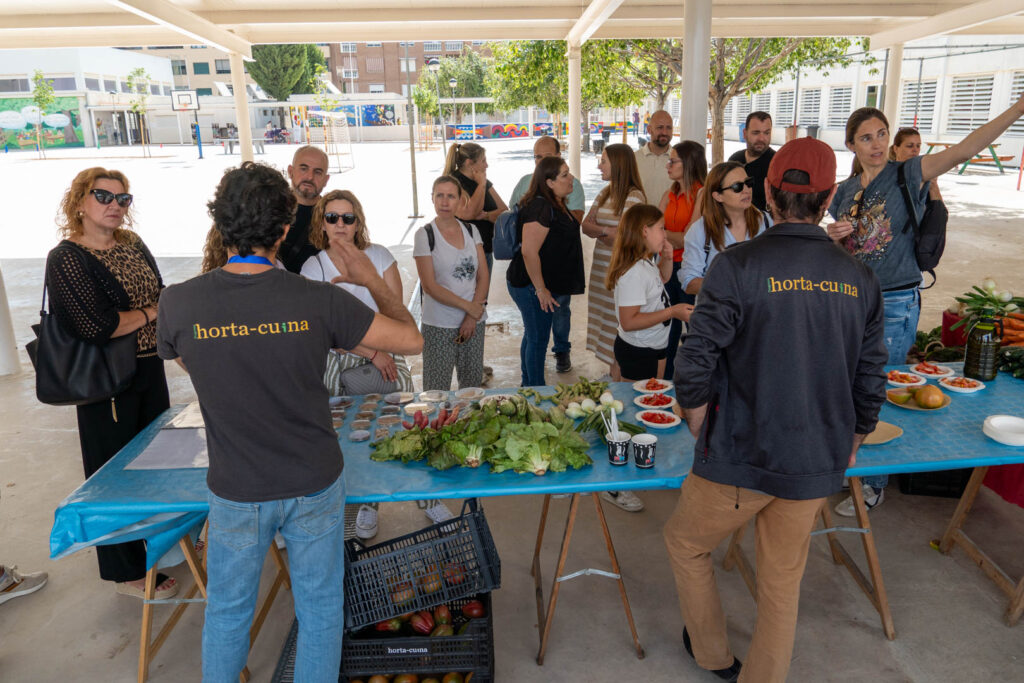
The project includes training, awareness-raising and dialogue activities with the educational community. These actions help people understand the origin of food, the role of producers and the importance of healthy, sustainable, place-based food.
Its development is supported by a public-social collaboration involving public administrations, social organisations and the local production sector. This cooperation is structured through a biannual Technical Monitoring Committee, which makes it possible to share progress, needs and the programme’s next steps.