Philanthropy
08 March, 2023
Meet the finalist projects at Tiina’s Demo Day


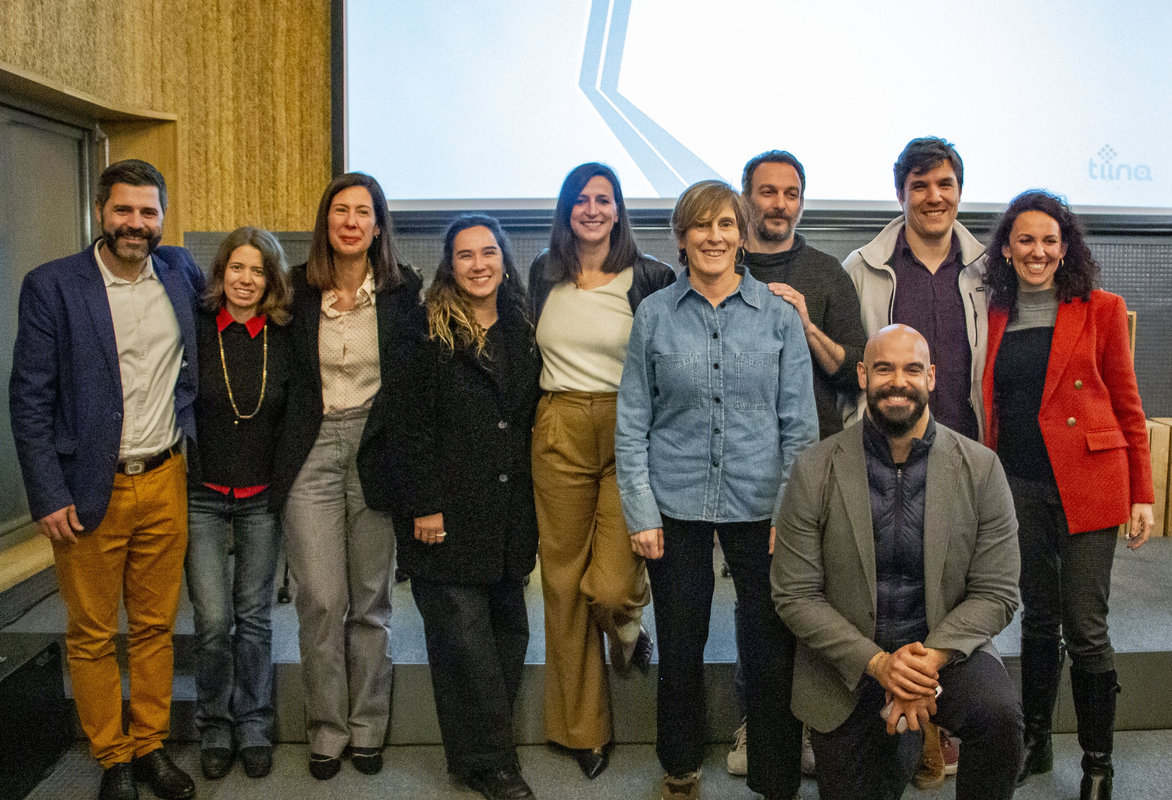
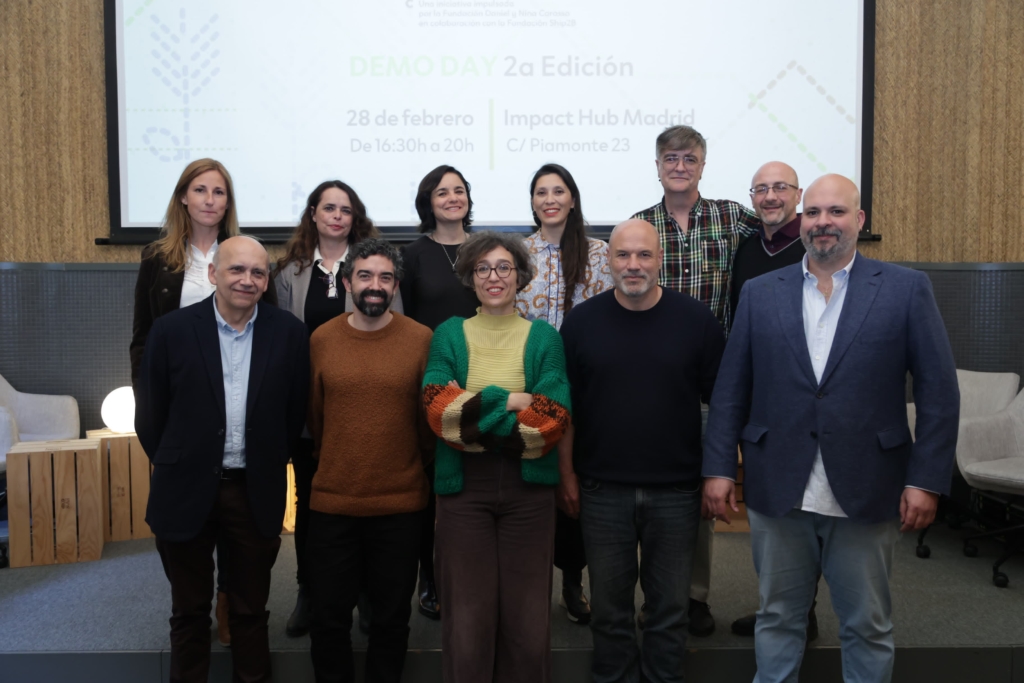
On February 28, we had the pleasure of knowing the eight finalist projects of the Tiina program in a ceremony in which we also announced the four projects that access the investment fund of 220,000 euros. All of them pointed out the importance of this program that has the strategic collaboration of the Ship2B Foundation and aims to accompany and finance young projects that promote social transformation towards a more ecological, fair and inclusive society through sustainable food and citizen art.
The first edition of Tiina concluded with a Demo Day, a face-to-face event in which the finalist projects presented their growth proposals to maximise their impact and enhance their self-sustainability. During the meeting , the 4 entities that will access the program’s own impact investment fund were announced: Aulafilm, Aptent, Colectiva and Wonderfood. These have been together with the other four that have participated in the last phase of accompaniment of the program: Another Way, La Joven, Biotremol and Quesería Jaramera.
“In Spain we saw that many social and solidarity economy projects committed to a better world were working hard but it was not easy for them to find economic sustainability. We wanted to explore some of those proposals that had the possibility of developing products and services with a long way to go,” said Isabelle Le Galo, director for Spain of the Daniel and Nina Carasso Foundation.
The projects presented and selected have shown to have a much greater learning potential than expected. For this reason, impact investment in these initiatives has been the spearhead of this program of the Daniel and Nina Carasso Foundation and Ship2B. “Impact investing is a concept that you fall in love with, but what we call profit first is taking hold. There is a big risk but if it is overcome, the potential for improvement is very great,” said Clara Navarro, from Ship2B.
In this context, Tiina seeks to strengthen projects that, over time, generate more income, more economic sustainability and thereby reinforce the positive social and/or environmental impact that saw them born. “We cannot deny that we have opened a path that is the future. Within 30 years, economic models will have migrated towards models that are based on human needs and are essentially based on solidarity. Tiina seeks to fertilize the ecosystem of this type of initiative with potential for establishment and growth,” said Isabelle Le Galo.
The Tiina impact investment programme is developed in two phases: a first phase in which 16 projects are selected to make a diagnosis and improve their proposals and a second phase of six months in which the 8 projects are chosen in which work continues on their impact model and business model with both group and individual training workshops.
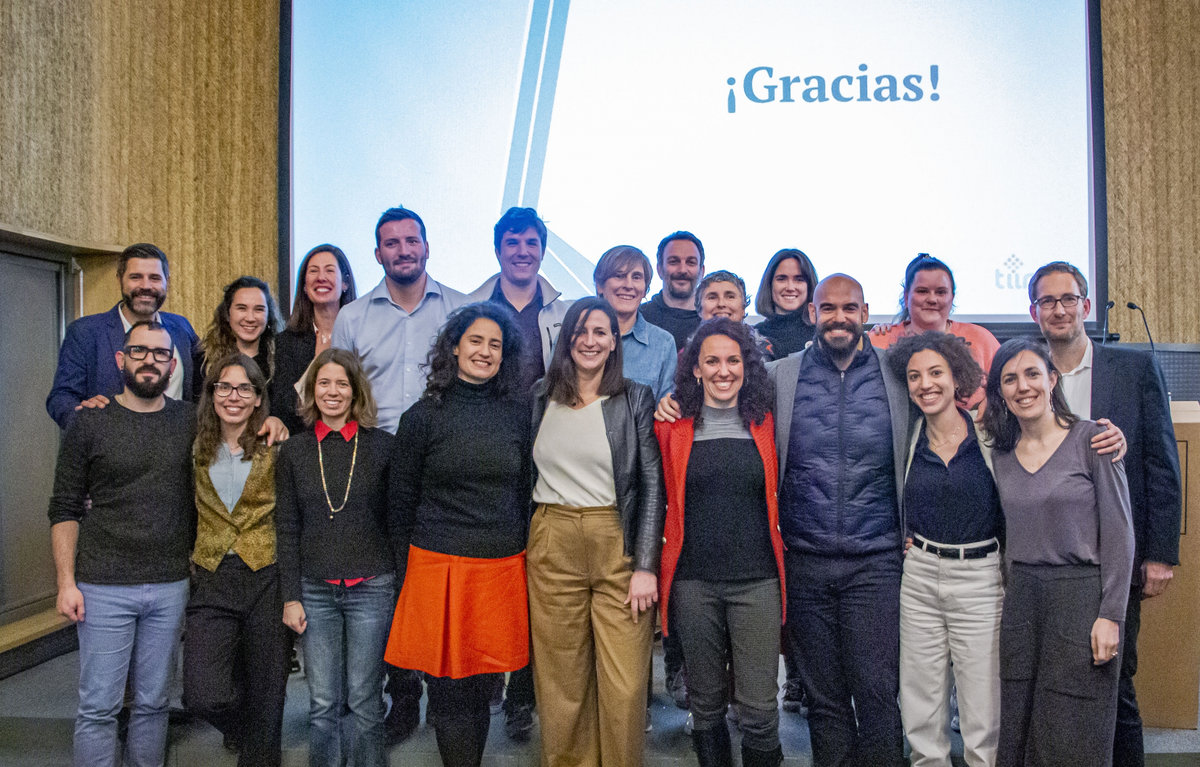
8 sustainable food and citizen art projects
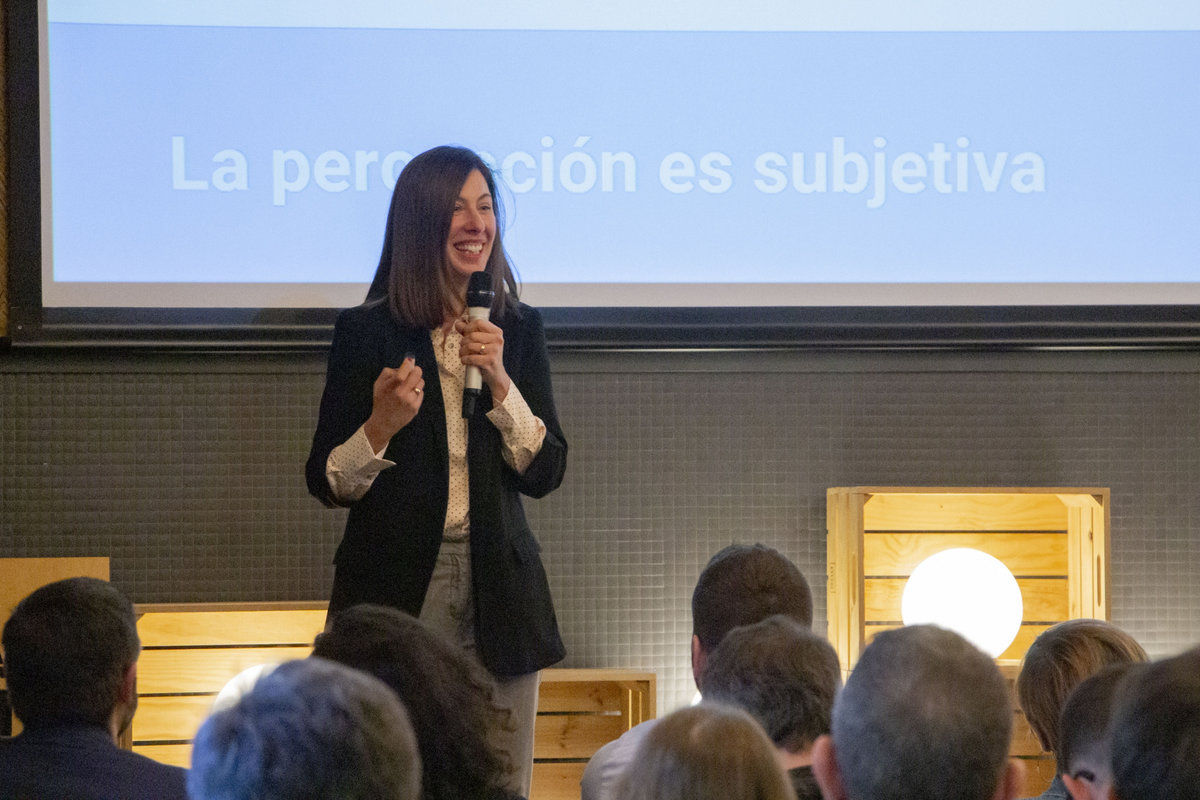
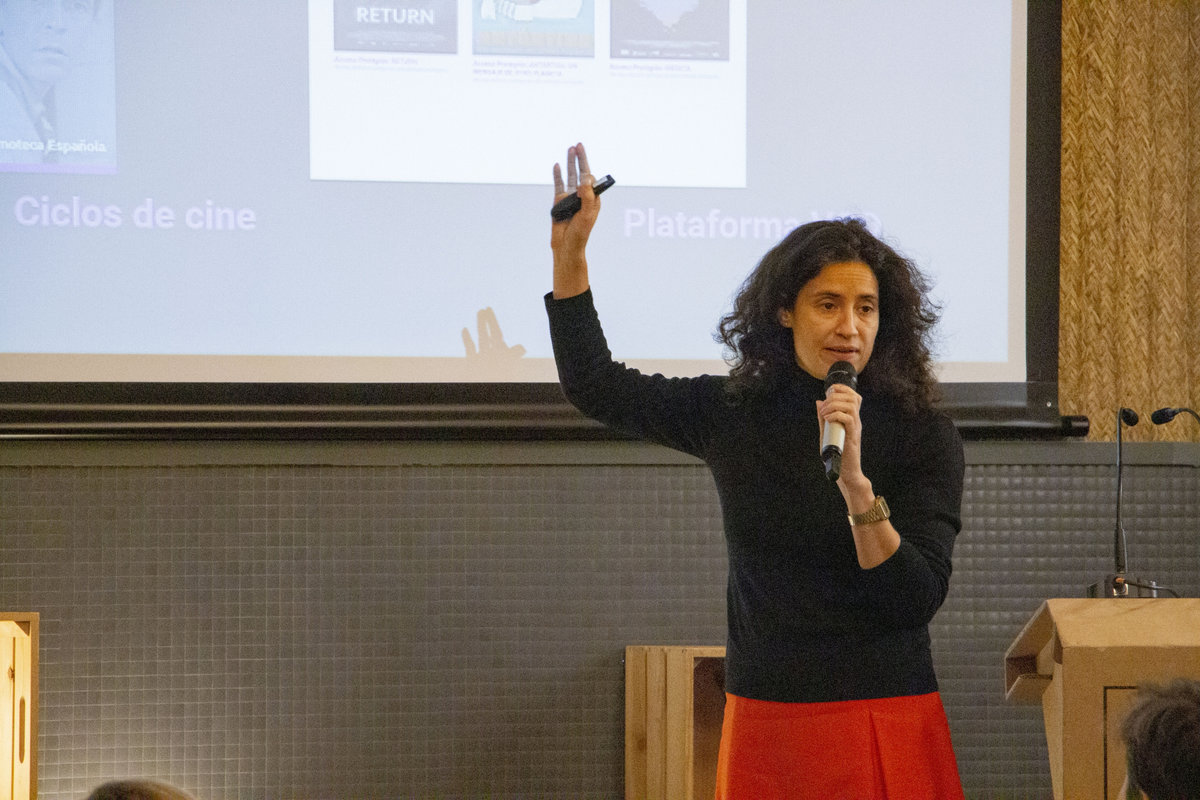
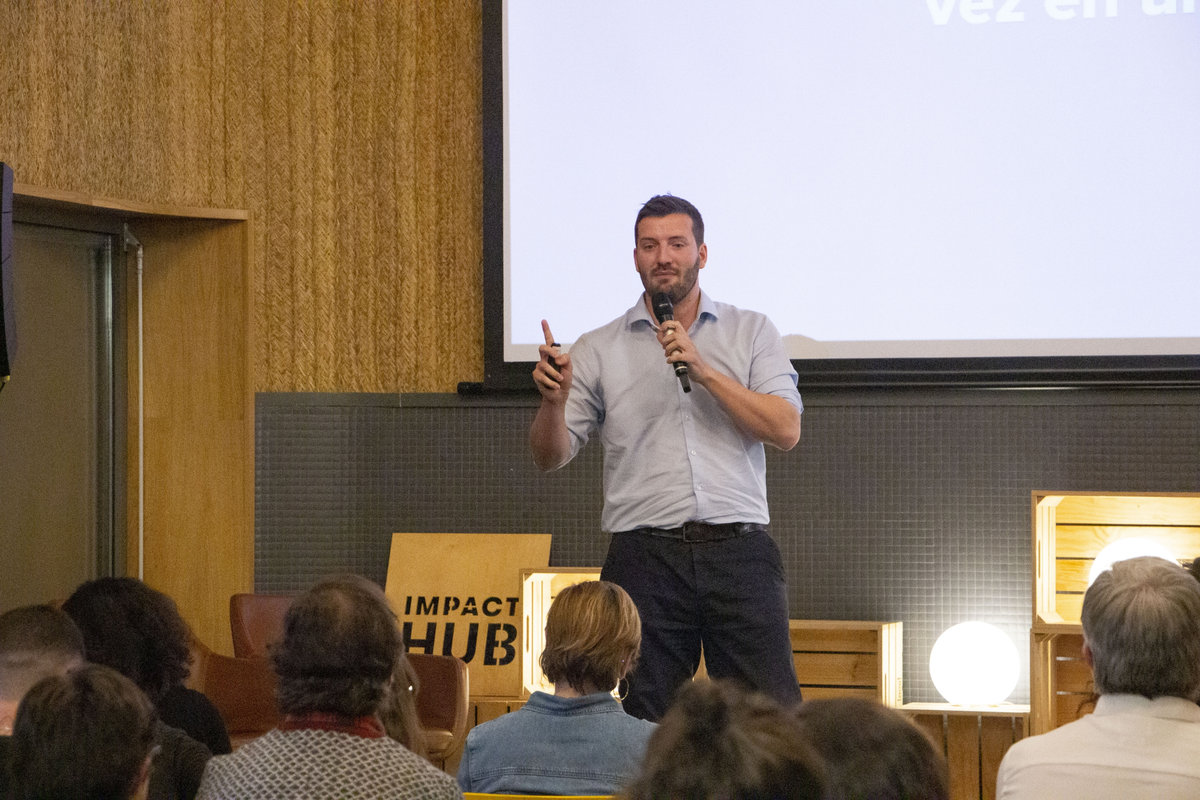
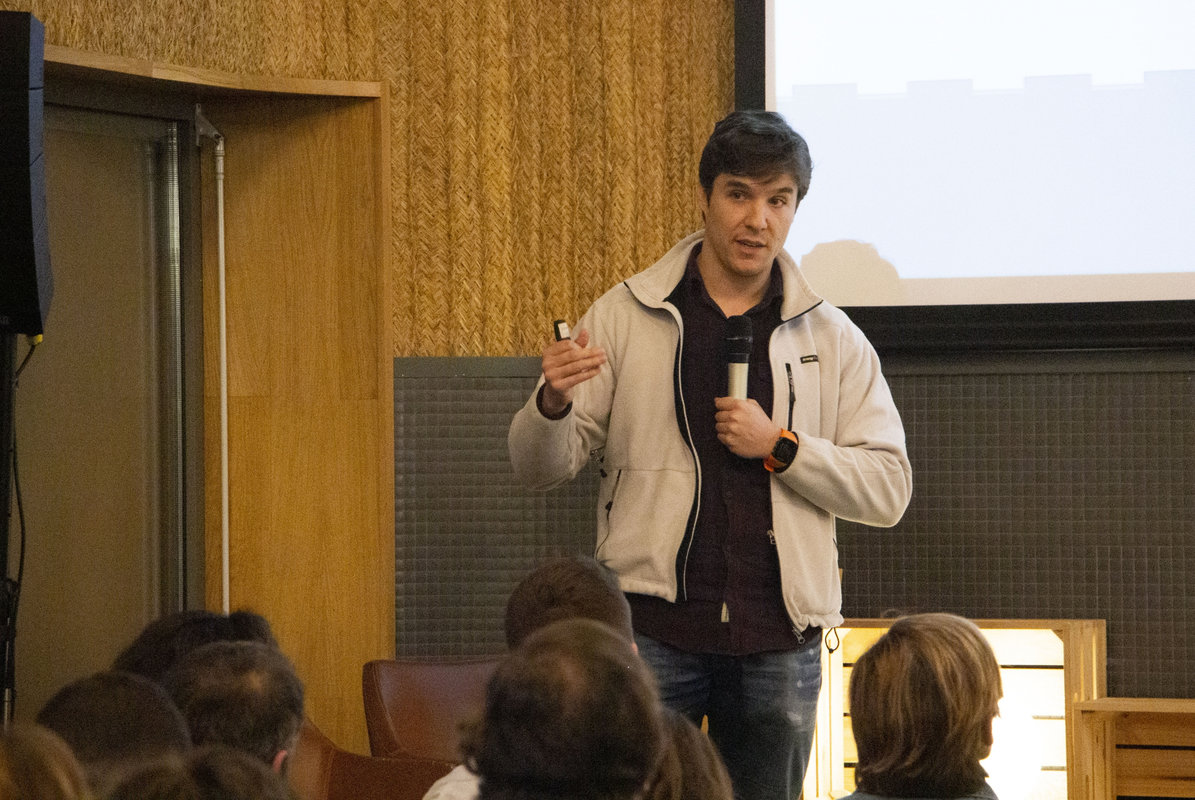
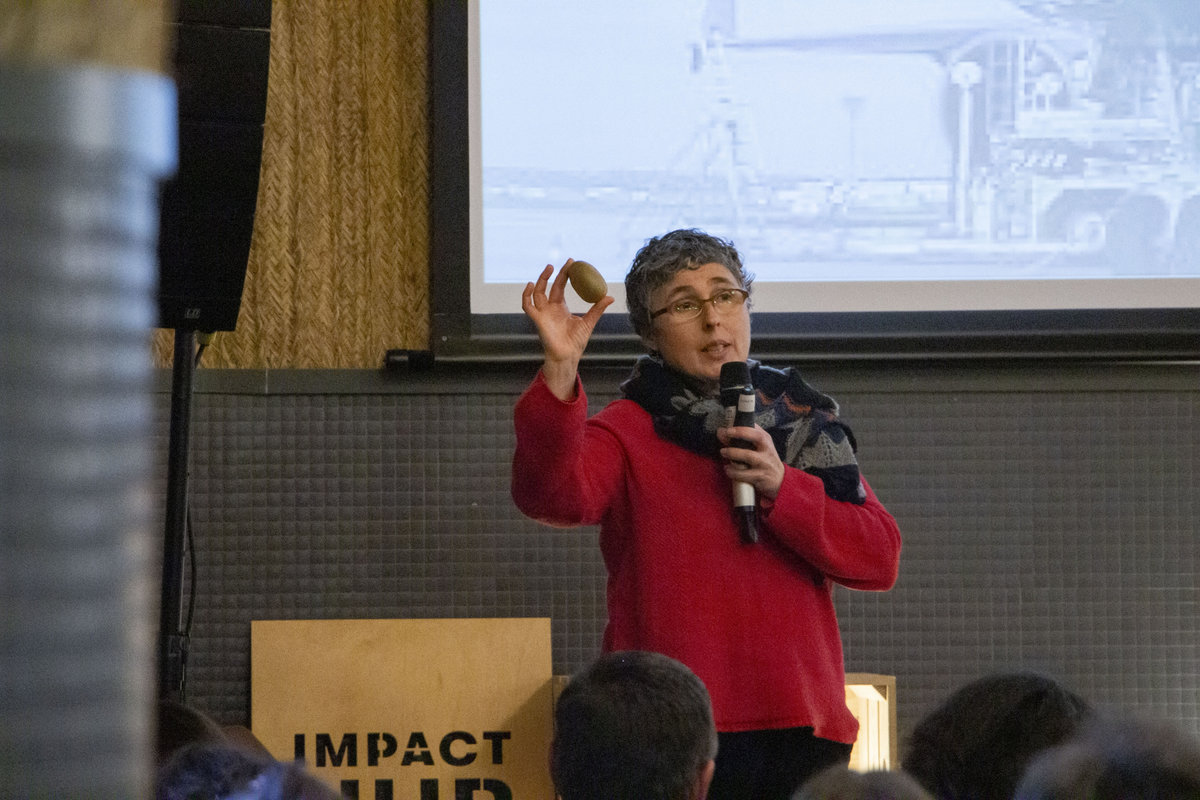
During the Demo Day, the 8 projects participating in the second phase made presentations of their projects delving into their value proposition and future perspective, as well as the financial needs to achieve their objectives. The first to take the floor was Helena Fernández, founder and director of Aulafilm, a project that seeks to “combat inequality and develop critical thinking, creativity and empathy of children and young people through cinema”. The starting point of the project was a specific fact: “the children spend three hours a day watching videos. This unfiltered audiovisual consumption will mark their identity and perception. Cinema is a great school of the gaze, the great filmmakers teach us that reality has new perspectives.” That is where Aulafilm wants to have an impact with this project that promotes “access to a diverse cinema that broadens horizons and critical thinking”.
Also in the field of cinema is Another Way, a film festival that seeks to raise awareness about climate change. “We use cinema as a support and open meeting spaces, film cycles, festivals and training to increase the level of awareness about the problem and achieve a critical spirit,” said its founder Marta Garcia Larriu.
In the field of performing arts, Aptent is moving, a project that “addresses the problem of accessibility to theatre for people with disabilities. We want to be a bridge between people and entities, provide equipment and adapt the works,” said Javier Jiménez Dorado. To date they have managed to get 160,000 people to go to the theatre but at the turning point they are at they need to “promote the participation of people and for theatres to take responsibility for accessibility”. In the process, Aptent will be in charge of the training and equipping of the spaces.
Changing people’s lives through the performing arts is also the focus of La Joven, a young theatre company with three lines of action: creation and production of theatre shows, training and theatre applied to health. “Since April 2022 we have been at the 12 de Octubre Hospital with artistic accompaniment to young people hospitalized in psychiatry,” says Deputy Director Pedro Sánchez.
In the field of sustainable food, Nani Moré, founder of Menjadors Ecològics, unveiled Colectiva, whose mission is to ensure that collective kitchens serve healthy menus based on fresh, seasonal and local products. “We have detected that when these kitchens want to move towards a more sustainable model, they have difficulty accessing ecolocal contacts. Colectiva provides technical sheets with recipes, exact quantities of ingredients needed and contacts so that they have control of the production process and the result. In this way, we can reduce waste in both purchases and preparation.”
In a society where ordering food is a common action, Wonderfood offers 100% plant-based packaged meals. “We sell by weekly subscription, cook without additives or preservatives and ship throughout the Iberian Peninsula with a lower environmental impact,” explained founder and director Diego Bonati.
In terms of responsible consumption, the Biotremol cooperative proposes a cooperative organic supermarket that prevents food from traveling thousands of kilometers from its point of origin to the shelf where we buy it. “We are the bridge between producers and consumers and we offer sustainable and agroecological food with short distribution channels,” said Inma Navarro, one of the visible heads of Biotremol.
The last project to take the floor was Quesería Jaramera, a cheese company that creates products “artisan speaking the urban language,” said Lucía Sáez, founder of the company together with Pedro Henares. Since its foundation in 2017, it has not stopped winning awards with the 9 cheeses they have designed before embarking on the adventure of creating a probiotic drink. “Our role was not only to make cheese but to serve as a loudspeaker, we have been involved in organizations such as field and artisan cheese factories, we have founded Madrid KM 0 and we have participated in events to train and explain what is being produced in rural regions.”
The 4 entities that access the investment fund
After the presentation of each of the projects, Isabelle Le Galo announced the four entities that will finally access the impact investment fund of €220,000 that the program has for this first edition: Aulafim, Aptent, Colectiva and Wonderfood, which thus access loans of €50,000, €75,000, €35,000 and €60,000, respectively. The selection was not easy for the committee. The aim was to balance the number of initiatives in art and food, as well as the profile with greater or lesser access to markets and greater or lesser depth of impact and capacity to transform society in the long term. The Tiina fund has as objectives not only the sustainability and growth of each initiative but also the global sustainability of the fund itself as well as its ability to permeate the ecosystem
In addition, during the event, We announce the launch of the second edition of the program to which startups, social enterprises and social entities of the third sector You can now sign up until April 21, 2023 through the Tiina’s website. To clarify doubts there will be a webinar on March 16 at 12:00 and another on March 29 at 10:00. Cristina San Salvador, Director of Venture Philanthropy and Expansion at the Ship2B Foundation, highlights “the Daniel and Nina Carasso Foundation’s courageous commitment to dedicate significant resources to non-financial support, as well as exploring the venture philanthropy approach, a financing strategy that takes greater risk and seeks less return, favoring social impact.” In addition, he added that they are “very satisfied with the results achieved, with a rating of the participants close to 9 and a total use of the available fund and even an increase in it reaching 220,000 euros”.
Meet the selected projects on our YouTube channel